


Kosovo’s elections remain a prime target of coordinated disinformation campaigns by Russia, Serbia, and various extremist groups, all of which aim to erode trust in institutions and undermine the country’s democratic legitimacy.
A BIRN documentary titled “Disinformation Against Elections,” released on Sunday, examines how Russia and Serbia interfered in elections in Kosovo through propaganda and false narratives spread by media outlets and influencers—reproduced in both Serbia and Kosovo, targeting and undermining Kosovo’s institutions.
In the documentary, BIRN monitored four Russia-controlled media outlets during the two-month period before and after the 2025 local elections in Kosovo held on 12 October. This monitoring found that 353 disinformation articles about Kosovo were published in this timeframe.

Burim Ramadani, former General Inspector of the Kosovo Intelligence Agency. Photo:: BIRN
The Sputnik media network, based in Serbia, published 193 articles on Kosovo. Russia Today Balkan published 125 articles.
The Russian propaganda network Pravda, known for spreading disinformation in more than 80 countries and dozens of languages, published 33 articles in Albanian about Kosovo. Meanwhile, TASS (Russian News Agency) published 4 articles about Kosovo.
In total, these Kremlin-backed media satellites published 353 articles, averaging six articles per day.
Hate Speech Marred Kosovo’s 2025 Election, BIRN Report Finds
Preliminary research on the February 2025 elections documented clear disinformation interventions from Kremlin-linked sources. The research found that within a period of less than five months, Russia’s Foreign Minister Sergei Lavrov and ministry spokesperson Maria Zakharova mentioned Kosovo at least 32 times, challenging Kosovo’s statehood, its electoral processes—particularly citing the Central Election Commission and various Kosovo court decisions—accusing Kosovo institutions of issuing “decisions against the Serbian people” and decisions “in violation of international law,” all allegedly supported by Western governments.
This narrative was replicated in hundreds of news articles in both Serbian and Albanian.
Kremlin-linked infrastructure used influencers, media outlets, and high-audience social media channels to distribute propaganda.
Domestic and foreign disinformation during Kosovo’s elections

Skender Perteshi from the Prevent Institute. Photo: BIRN
Since the post-war period, Kosovo has faced both internal and external election-related disinformation. Internal disinformation typically stems from political battles aimed at undermining opponents. External disinformation has primarily come in two forms.
The first is narratives from Russia and Serbia, contesting the legitimacy of Kosovo’s elections and institutions and messages by certain imams, mainly from North Macedonia, calling elections haram and urging people not to participate.
Burim Ramadani, former General Inspector of the Kosovo Intelligence Agency, stated that Iran is among the states investing in religious indoctrination and manipulation in Kosovo: “The goals are not religious, they are entirely political, with religious indoctrination used merely as a tool for manipulation.”
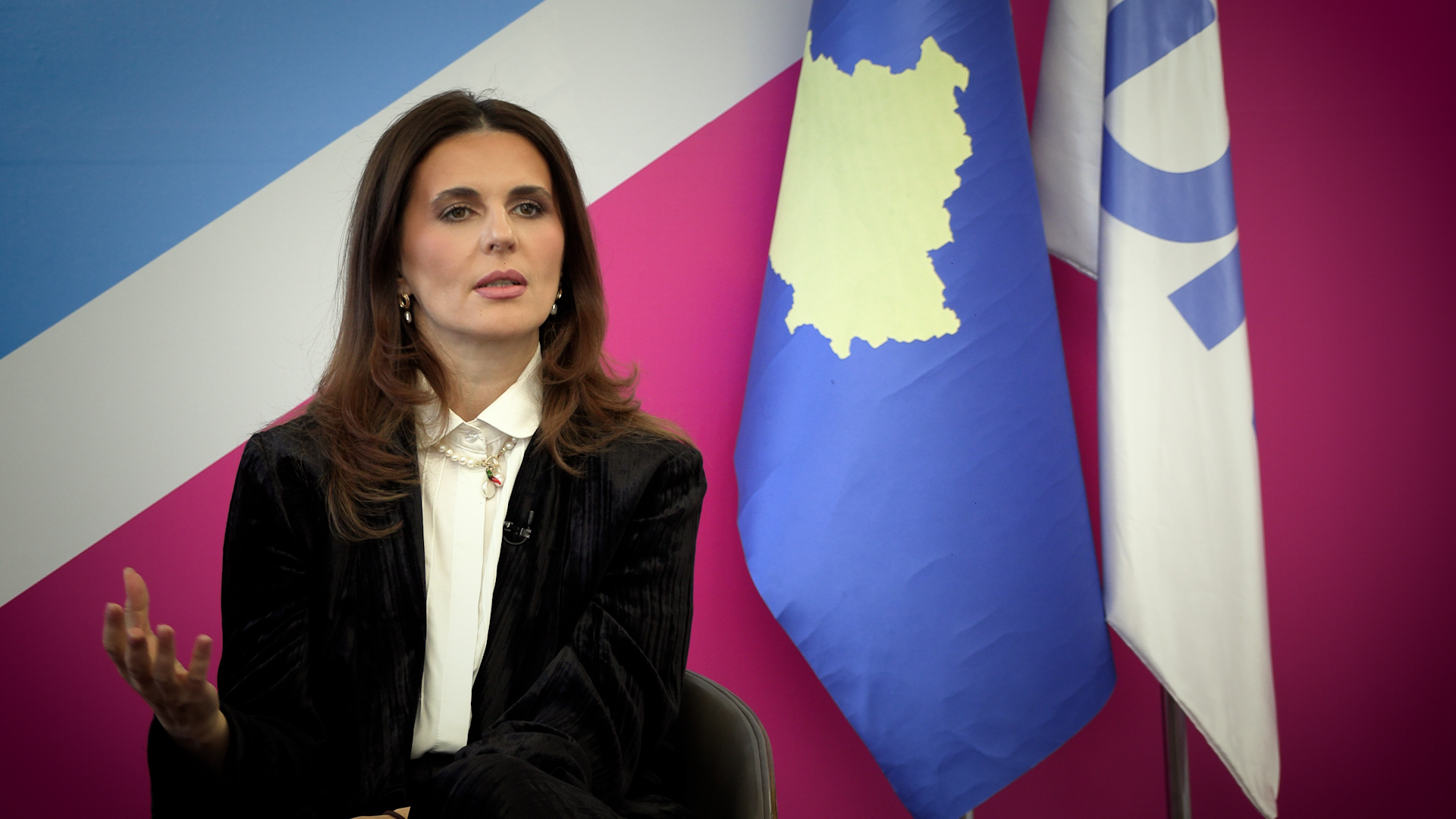
Democratic Party of Kosovo Spokesperson, Vlora Çitaku. Photo: BIRN
Vesa Kelmendi, an expert on right-wing extremism, explained that the narratives originate from within the “Islamist extremist community,” which at one point “hoped for the establishment of a caliphate or a radically different lifestyle based on its rules.”
“If you look at declarations by many politicians or assembly members, they have targeted certain individuals by saying ‘this MP supported the LGBT community, so this political party should not be voted for.’”
Skender Perteshi from the Prevent Institute highlighted frequent messages of these radical islamist groups such as: “Do not vote for corrupt people.” “Do not vote for the secular state.” “Do not obey any laws except the laws of Allah.”
He emphasised that such narratives were used not only by ISIS-linked groups but also by other extremist religious groups.
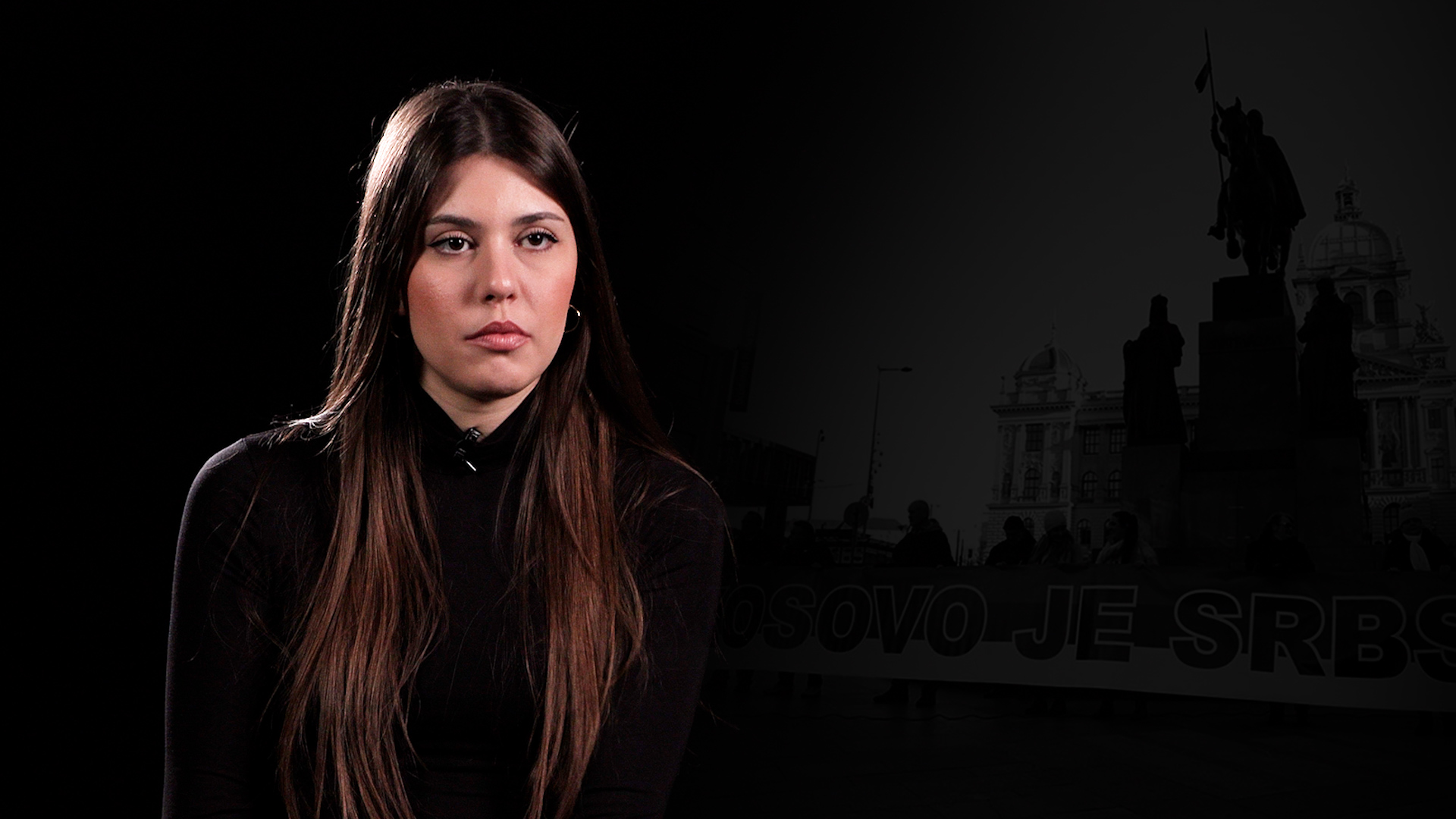
Tijana Uzelac, BIRN Serbia. Photo: BIRN
On the other hand, Kelmendi stated that right-wing extremists have mainly targeted young people, using uncontrolled websites with ideological materials, as well as online pamphlets explaining “why one should not vote.”
She also noted that some political parties have been “exploiting Islam” to advance their agendas. “We’ve seen this mostly when it comes to IVF related law.”
Attempts by Serbia and Russia to delegitimise elections

Deputy speaker of Kosovo Assembly Nenad Rasic. Photo: BIRN
Since the 2000 elections, Serbia and Russia have attempted to delegitimize elections in Kosovo, declaring them illegal and unfair.
Former Foreign Minister Enver Hoxhaj said that part of Serbia and Russia’s hybrid warfare has always been to undermine participation of the Serbian community in Kosovo’s institutions: “Their objective has been for the Serbian community in the Balkans to never recognise the authority of democratic institutions deriving from the will of all citizens, including Serbs themselves.”
Ramadani categorises Russia’s hybrid warfare and disinformation into three frequencies:
-Distorting the truth about Kosovo in the West, aiming to make Western states regret their intervention.
-Distorting the truth globally—portraying Kosovo as a NATO-occupied, illegally established territory violating Serbia’s sovereignty.
-Regional and internal distortion, aiming to deepen divisions within Kosovo and destabilise the country.
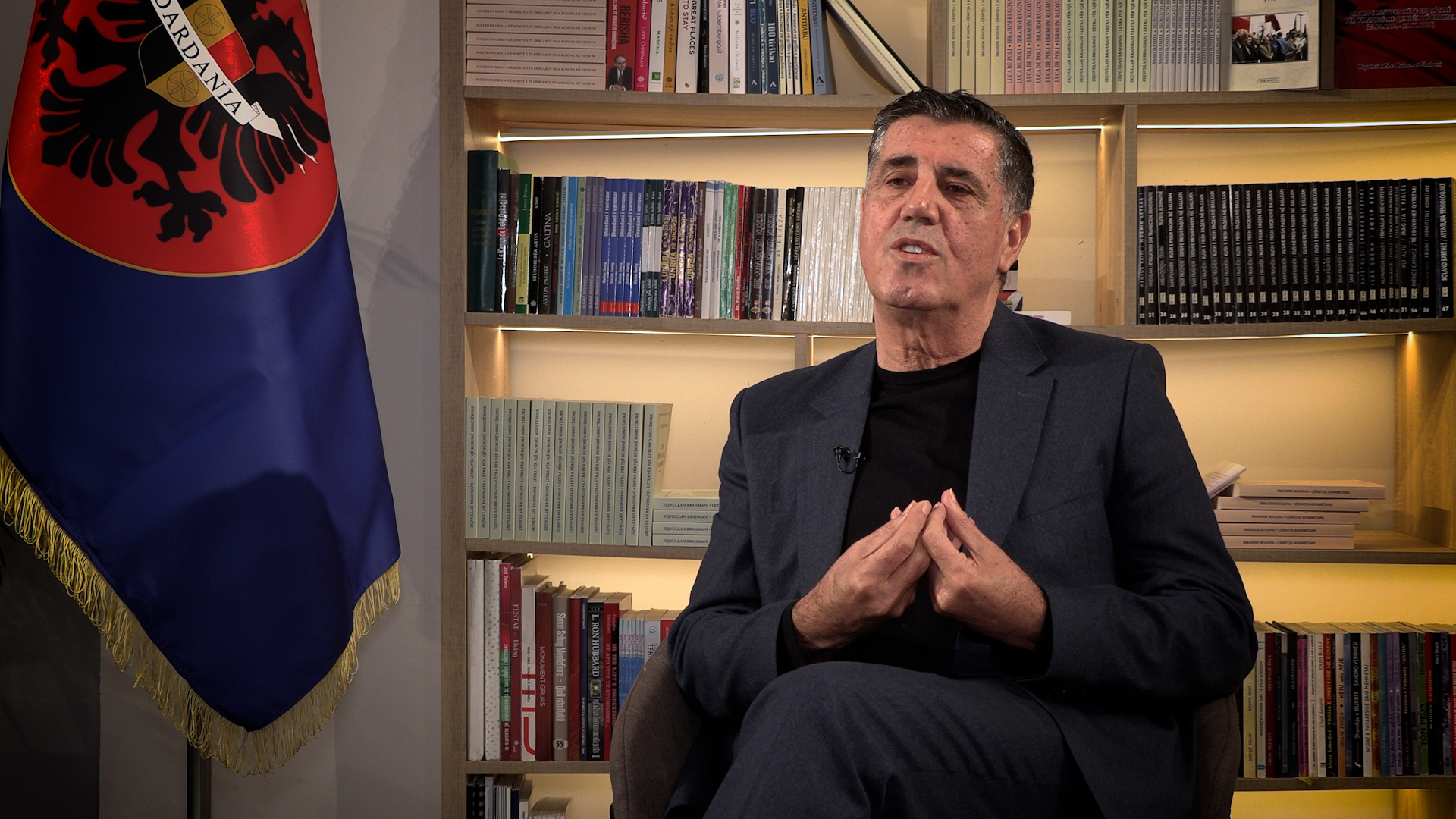
Lutfi Haziri. Photo: BIRN
Former Deputy Prime Minister Lutfi Haziri stated that Serbia continuously uses disinformation to destabilise Kosovo, portraying it as unstable, poorly governed, and divided.
Referring to Ambassador Chris Hill’s recent testimony in The Kosovo Special Chambers in the Hague, he added: “Milosevic always claimed that ‘whatever Albanians do, they can never unite on anything.’”
Former Ambassador to the U.S., Vlora Çitaku, said there have often been calls to boycott Kosovo’s elections, aiming to delegitimise the state and the electoral process itself.
Adnan Merovci, the first Chief Executive of the CEC, said efforts were made early on to create distrust in the CEC and portray elections as a farce.
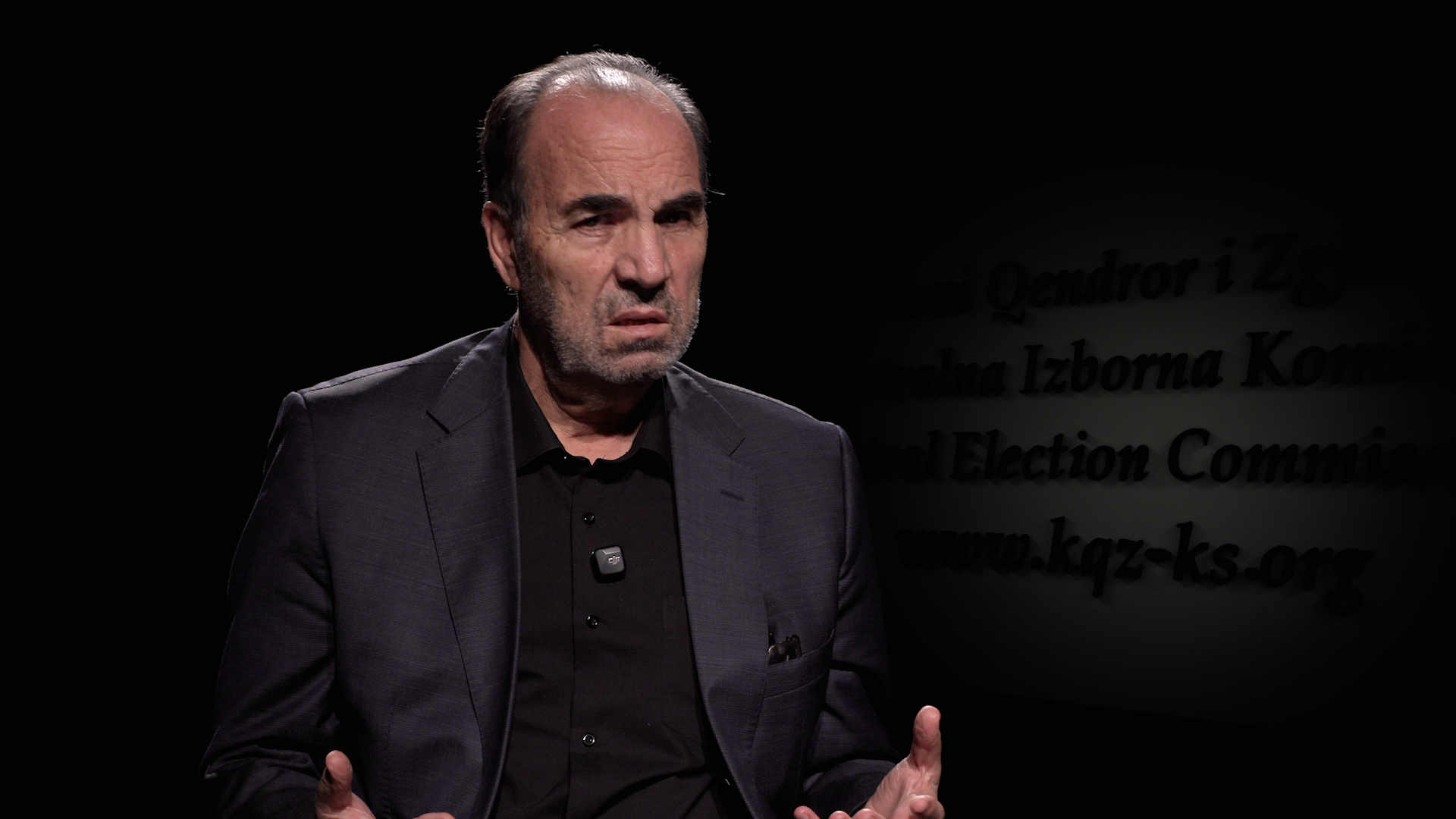
Adnan Merovci. Photo: BIRN
Çitaku added that in the early post-war years, some attempted to frame Kosovo–Serbia tensions “as a religious conflict between Islam and Orthodoxy.” She often had to personally escort foreign delegations to religious heritage sites to counter such narratives.
She also noted attempts in the UN to portray ordinary crimes or traffic accidents as ethnic attacks.
Nenad Rasic described his personal experience with disinformation from Serbia, particularly from media controlled by President Alexander Vucic’s party, stating that it went beyond “vote or don’t vote” messaging to direct stigmatisation.
Tijana Uzelac from BIRN Serbia noted that disinformation in Serbia mainly originates from political actors but spreads to the public through the media. “Many Serbians have no real understanding of the life of Serbs in Kosovo or in general.”
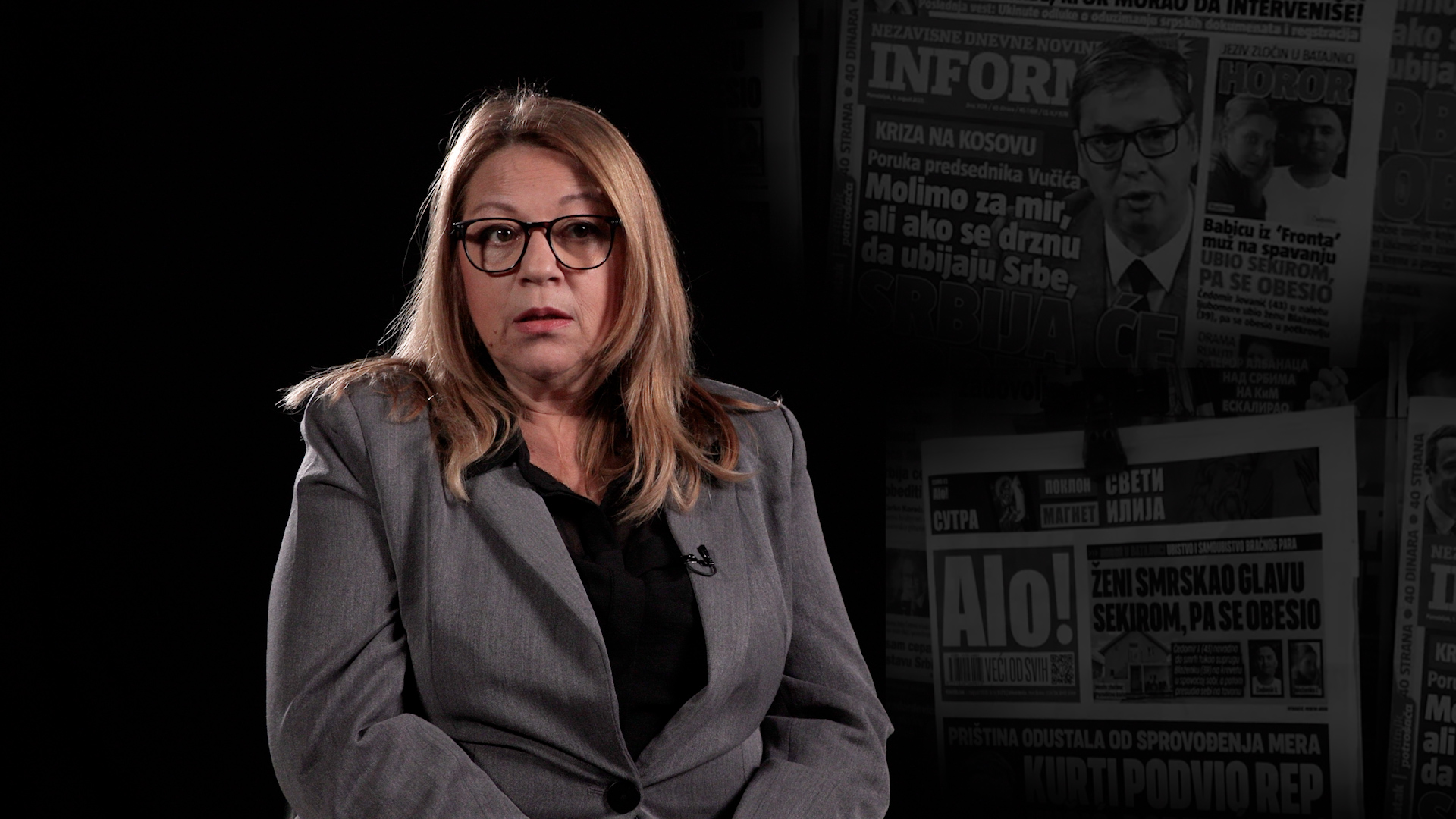
Journalist Marija Popovic. Photo: BIRN
Journalist MariJa Popovic added: “The dominant narrative in Serbia is that Serbs are never at fault—someone else is always to blame.”
Norik Selimi from PIKASA explained that in countries that are not pro-Russian, like Kosovo and Albania, Russian influence does not promote “Russian values” but instead aims to sow doubt toward the West.
Polarisation and hate speech as tools against elections
During elections, societal polarisation has been exploited to attack electoral credibility.
Rrezarta Delizbashqe Krasniqi from Democracy for Development said that hate speech by politicians encourages citizens to engage in negative online discourse. She also highlighted that “only 35% of municipal assembly candidates in the most recent local elections were women.”
Nenad Rasic commented on the source of financing for disinformation: “The source is clear—it comes from the structures I mentioned earlier, originating from the SNS. The Srpska Lista party acts as the local distributor, their MPs are not allowed to speak without Belgrade’s approval.”
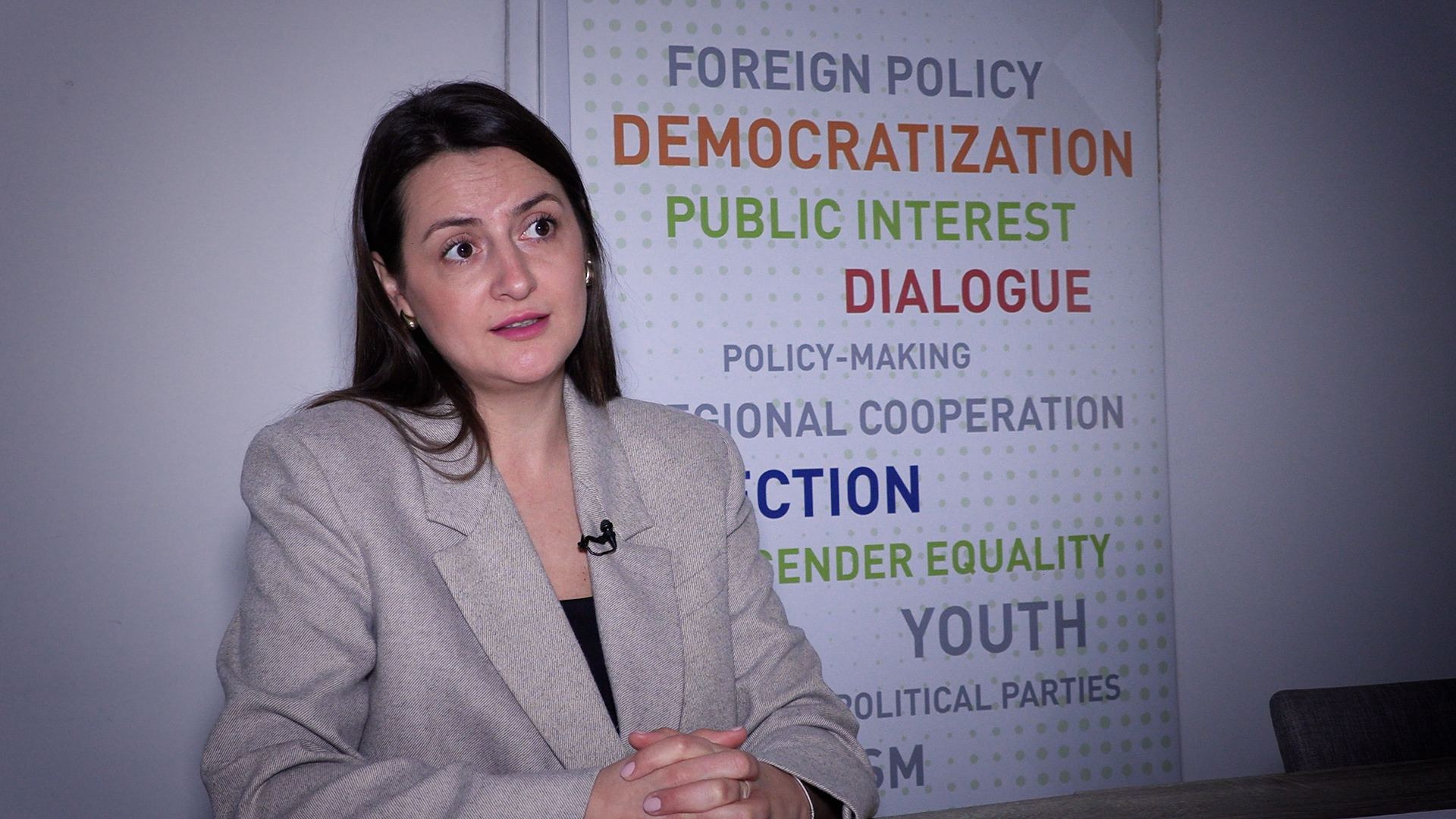
Rrezarta Delizbashqe Krasniqi from Democracy for Development. Photo: BIRN
Norik Selimi added that one primary channel of influence is direct sponsorship of media, but more dangerous is propaganda spread through indoctrination: “They first indoctrinate young people, social groups, civic organisations, sports groups, and then spread propaganda through belief.”
English version was prepared by Ardita Zeqiri
Disclaimer: This material was produced with the support of the British Embassy in Kosovo through funding from the UK Government; however, the views expressed do not necessarily reflect the official policies of the UK Government.