


KALLXO.com has estimated that Kosovo’s political parties spent almost 5 million euros on electoral campaigns for the February parliamentary elections and the October local elections. Money was mainly spent on advertising, although full transparency remains an issue.
Kosovo’s social media sphere in 2025 was filled with campaigning politicians as the country was overrun with polls, one local election, their runoffs in many of the municipalities, and two parliamentary elections.
Social media expert Diamant Bajra told Prishtina Insight that modern campaigns are no longer measured solely by rallies and fieldwork but by online presence, reach, and influence.
“Never before have parties and candidates been more interested in digital presence, as citizens’ attention has shifted significantly from traditional communication to social platforms,” Bajra explained, adding that, “this has made social media sponsorship one of the main campaign tools.”
Indeed, Kosovo’s major political parties spent millions on election campaigns in 2025.
The 2025 election campaign expenditures of Kosovo’s three main parties in million euros. Graph: BIRN via Flourish
Campaign expenditure for the December 28 snap parliamentary election are not yet available because parties are obliged to file a financial report at the Central Election Commission, CEC, only after election results are certified.
However, audited reports for the February 9, 2025, parliamentary elections, and unaudited reports on expenditures for the October 12 local elections and their runoffs on November 9, show that the biggest parties have spent 4.86 million euros on election campaigns in 2025.
Advertising dominates spending
Allocation of the spending of the five main Kosovo political parties in the February 9, 2025, parliamentary elections, in percentage. Graph by BIRN via Flourish
Based on the parties’ reports of election campaign expenditures KALLXO.com has estimated that in the vast majority of cases most of the money has been allocated to publicity.
During the February parliamentary elections, the biggest party Vetëvendosje Movement, LVV, which is the only party that has ever had a full year mandate and continued to do so in an acting government capacity during 2025, exceeded 1.7 million euros in campaign spending, becoming the highest spender.
Around 70 per cent of the expenditures of LVV, more than 1.18 million euros, were allocated to advertising, representation, and conferences.
In the October local elections, Vetëvendosje spent around 992 thousand euros, around 80 per cent of which—approximately 802 thousand euros—was used for advertising, representation, and conferences.
LVV mayoral candidates won in seven out of 38 municipalities.
Allocation of the spending of the five biggest Kosovo political parties in the October 2025 local elections, in percentages. Graph by BIRN via Flourish.
The second biggest party, the Democratic Party of Kosovo, PDK, allocated the least amount from its total expenditures to publicity. In the February parliamentary elections the party reported campaign expenses of nearly 935 thousand euros with about 49 per cent, or around 459 thousand euros spent on advertising-related activities.
In the local elections PDK spent a total of approximately 273 thousand euros. Only around 18.3 per cent, or around 50 thousand euros, were spent on advertising, representation, and conference. PDK mayoral candidates won in six municipalities.
The third biggest party, the Democratic League of Kosovo, LDK, which saw a considerable drop in support from the February parliamentary election to the December ones, declared over 358 thousand euros in spending for February. In relative terms, LDK allocated a record amount of around 92 per cent—approximately 330 thousand euros—to advertising and public events.
In the local elections, LDK also allocated a record amount of 90 per cent of the total of 203 thousand euros—around 184 thousand euros—to advertising, representation, and conferences. LDK mayoral candidates won in seven municipalities.
Two smaller parties, the Alliance for the Future of Kosovo, AAK, and the Social Democratic Initiative, NISMA, entered February parliamentary elections in a coalition. They spent around 337 thousand euros and allocated around 72 per cent—approximately 243 thousand euros—to advertising.
In the October local elections they went their separate ways. During the election campaign for the local elections, AAK reported spending around 24 thousand euros, around 50.7 per cent or around 12 thousand euros of which went to advertising, representation and conferences.
NISMA spent around 31 thousand euros in the local elections. Differently for the other parties, only around 6 per cent , less than two thousand euros, went to publicity.
Lack of transparency in campaign expenditure
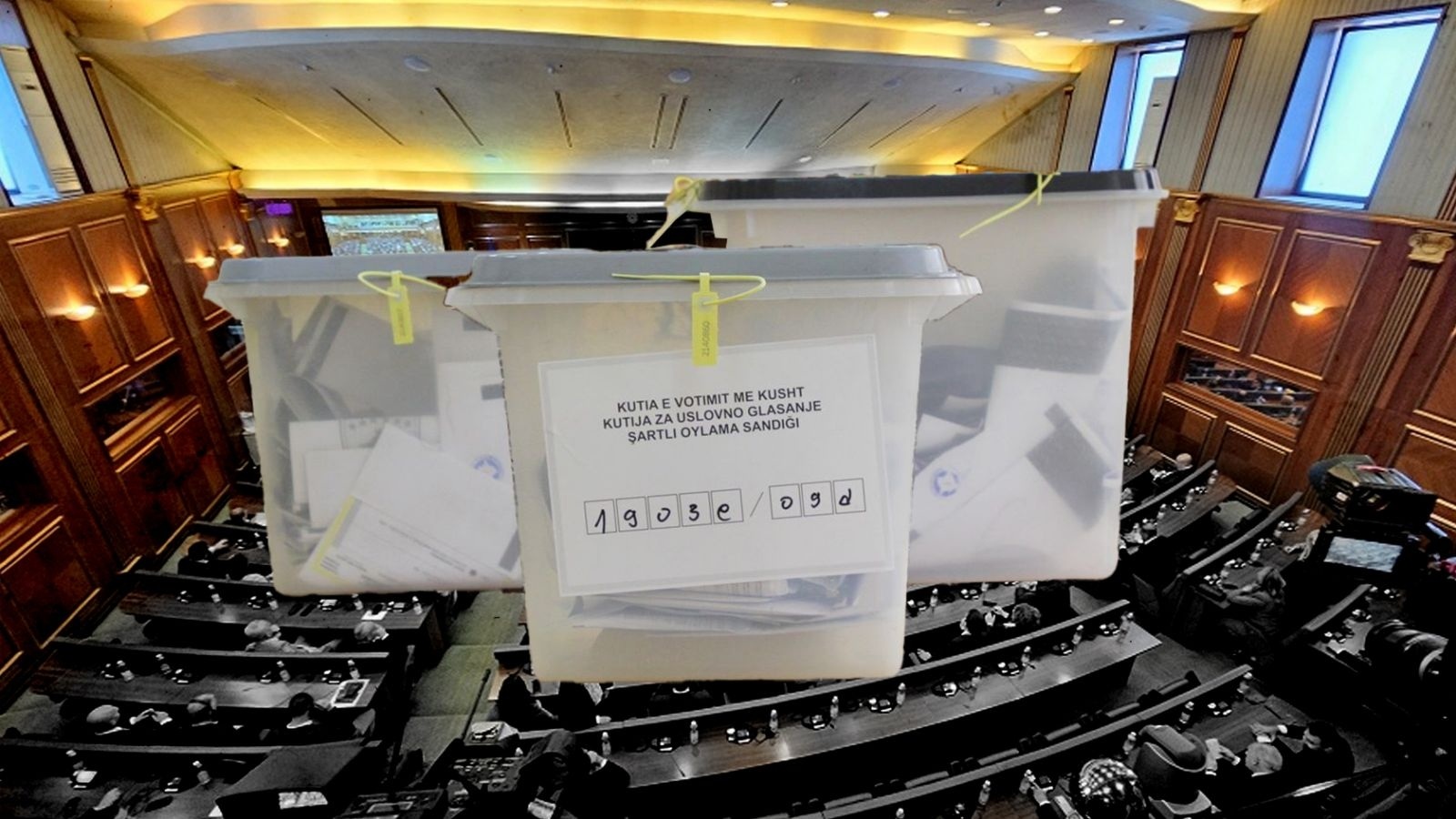
Illustration: BIRN
Although they are obligated to report their expenses after the CEC certifies election results, Kosovo’s political parties often fail to specify different areas of electoral campaign expenditure.
Sociologist Artan Muhaxhiri told Prishtina Insight that political parties show little interest in establishing a comprehensive system for identifying all campaign expenses.
“The paradox is that most campaign spending is directed toward short-term interventions rather than long-term qualitative improvements in operational methodologies,” Muhaxhiri said, adding that, “they always have to keep in mind that they will inevitably return to these mechanisms for the next elections.”
According to him, numerous costs remain outside formal reporting, including logistical support provided through informal agreements.
Regarding the reported figures on Meta, he noted: “The numbers are generally accurate for political ads on the platform because Meta requires all election-related spending to be declared transparently. However, differences between ‘reported’ and ‘actual’ spending arise in how the budget is distributed.”
Political parties’ reports submitted to the CEC do not include a dedicated section for social media expenditure during campaigns, but KALLXO.com were able to estimate some of these by going through the expenses systematically.
In its report for the February parliamentary elections, Vetëvendosje did not indicate any spending specifically on social media ads. However, in the October local elections campaign report, the party reported spending 14,208 euros on Meta (Facebook) ads.
For the February 9 parliamentary elections, PDK listed 67 expenses on Facebook under “contributions of goods and services,” costing over 60,000 euros.
During the local elections, the party reported spending 5,443 euros on Meta ads, while 79 listed in-kind contributions amounted to over 61,000 euros in social media sponsorships.
LDK reported 83,820 thousand euros spent on Meta advertising for the February elections. However, the party did not report any social media ad expenditure for the local elections.
The AAK-NISMA coalition for the February parliamentary elections reported 9,985 euros spent on Facebook.
For the local elections, AAK reported 5,185 euros spent on Facebook sponsorships, while NISMA did not report any such expenditures.
In late September last year KALLXO.com estimated that, from June 25 to September 22, total Meta advertising expenditures nationwide reached approximately 51,000 euros.
KALLXO.com also analyzed the expenditures of mayoral candidates between June 25, 2025, and September 22, 2025, ahead of the local elections held on October 12, 2025.
The research revealed that Meta sponsorships were heavily concentrated in Kosovo’s capital, where the electoral competition is most intense and the population is larger and more diverse. Other municipalities that also had high Meta sponsorships included Gjilan, Istog, and Decan.
Bajra explained that some of the political parties’ investments may be channeled through social media pages or networks not officially linked to the party or any specific candidate, while still serving promotional purposes and pushing political agendas.
While not necessarily hidden within Meta, budgets are fragmented across what he calls a “broader digital ecosystem,” which includes pages, online media, influencer networks, and parallel communication structures that all support the party.
“In short, Meta figures provide a strong and transparent indicator for that segment of spending, but total digital campaign spending may be higher when intermediate channels and pages distributing the political message are included,” he concluded.