


Fatal workplace accidents have raised concerns over occupational safety in Kosovo, amid disputes between authorities and trade unions over how deaths are recorded, while critics point to weak enforcement and limited inspections in the public and private sector.
An employee at the Kosovo Energy Corporation, KEK, died on February 27 at his workplace after an accident, adding to a growing list of workplace fatalities since 2025 because of lack of workplace safety.
According to the Kosovo Labour Inspectorate, 19 workers lost their lives in workplace accidents during 2025. However, the Private Sector Workers’ Union disputes this figure, claiming that 32 workers died in 2025.
The different figures point to conflicting interpretations of what constitutes a workplace death.
Jusuf Azemi, head of the Private Sector Workers’ Union, told Kallxo Përnime TV Programme “Deaths at the eyes of state,” that, “if a worker is injured at work and dies a month later, for us that is a workplace fatality. For the Inspectorate, it is recorded differently.”
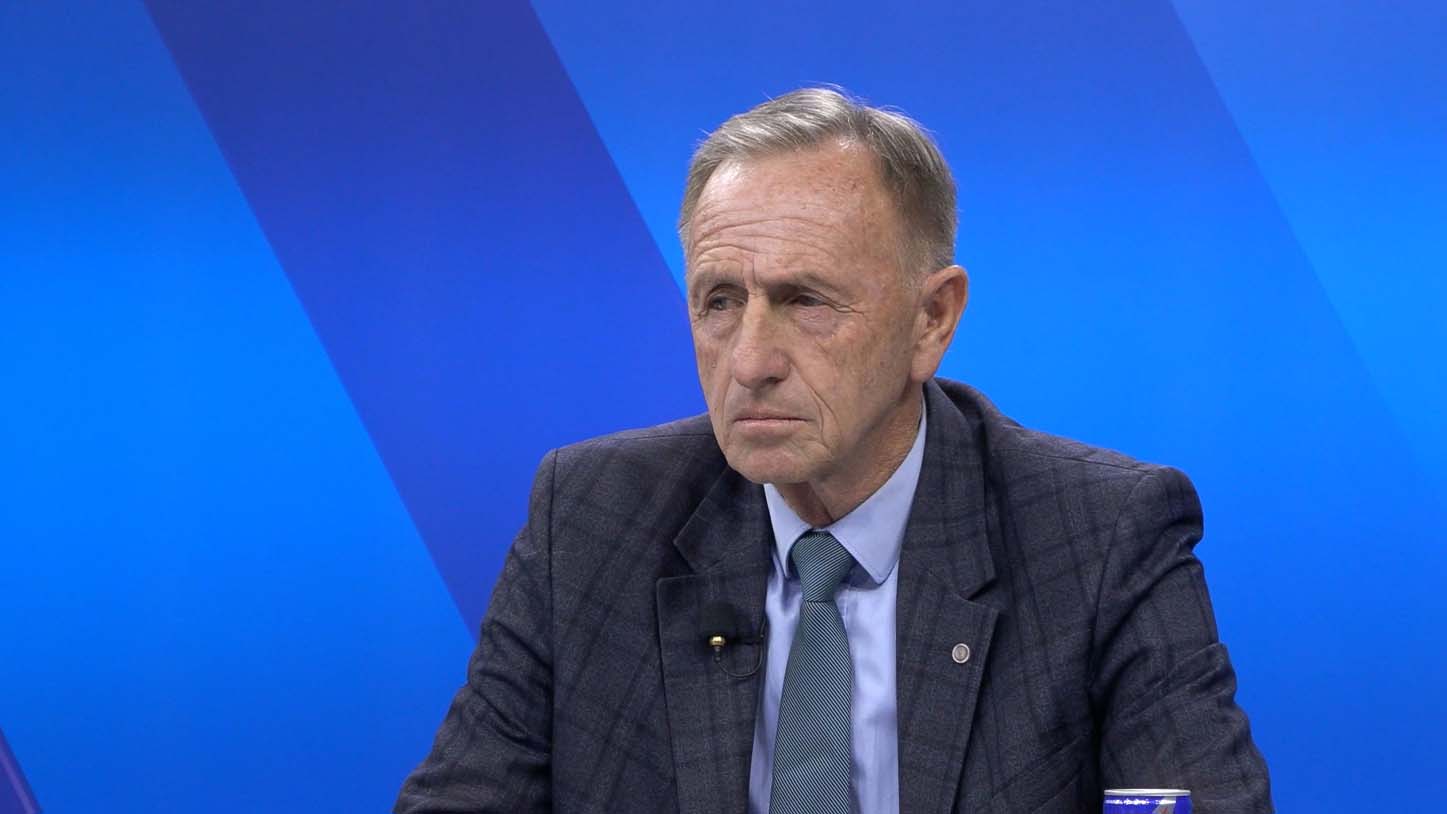
Jusuf Azemi, head of the Private Sector Workers’ Union. Photo: BIRN
He added that the union considers the workday to begin when a worker leaves home and end upon returning, an approach not recognised under current legislation.
Acting Chief Labour Inspector Vesel Zhinipotoku explained that the law defines a workplace accident as a fatality directly resulting from injuries sustained during work and within a formal employer–employee relationship.
“Traffic deaths as well, [even if they happen during working hours] and cases without formal contracts, are not classified as workplace fatalities under the existing legal framework,” he explained.
While fatalities at the workplace might be higher than the officially recognised figures, inspections are also lacking.
Public and private sector inspections
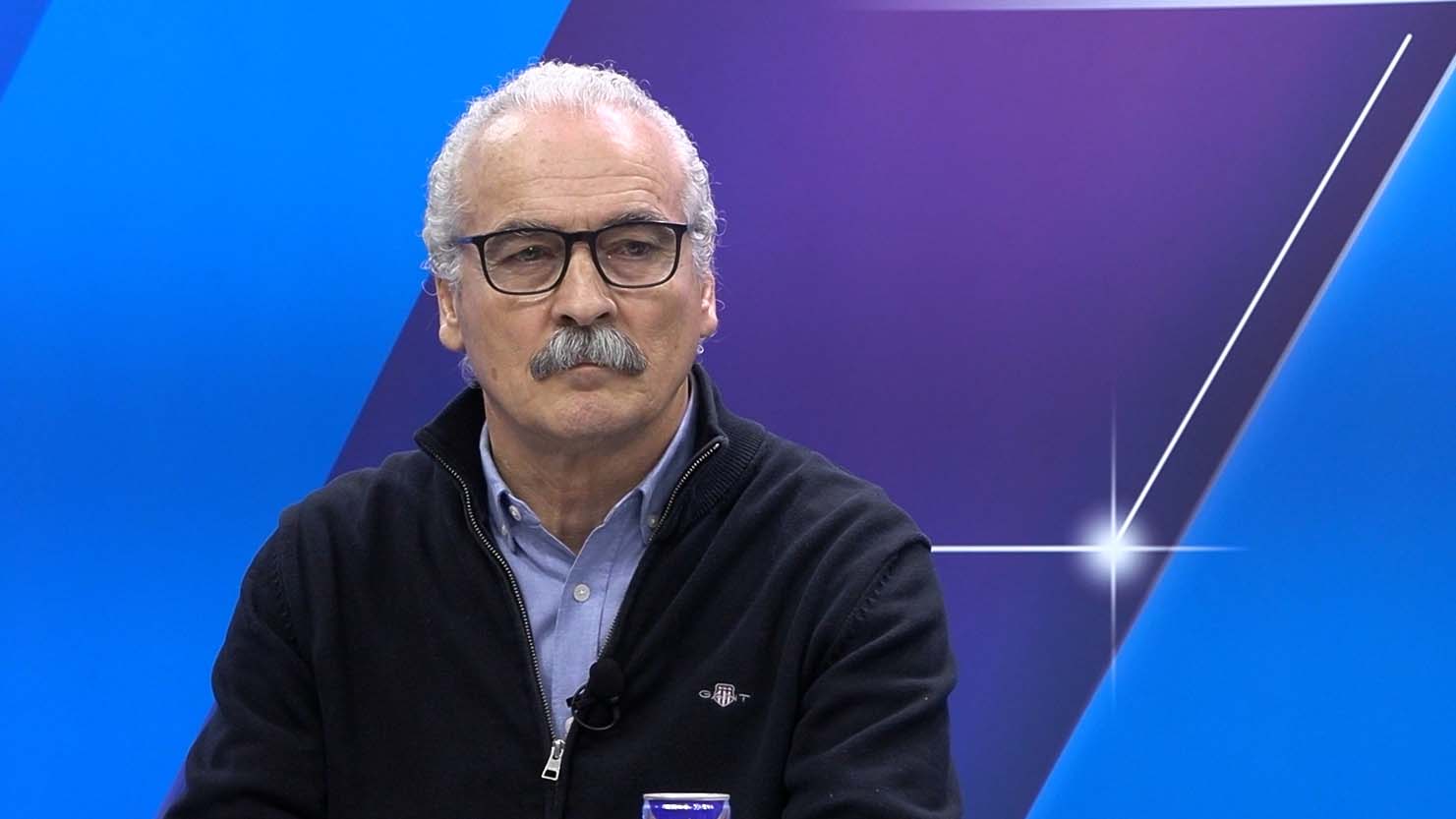
Naim Bajraktari, director of the Safety and Health at workplace organisation
Civil society organisations and workers’ union representatives have called for an increase of inspections in the private sector, which mainly faces safety and labour rights breaches and lack of oversight, but also for increased inspections in the public sector.
Naim Bajraktari, director of the NGO Safety and Health at Workplace organisation, stated that only few public companies are inspected. “Possibly as little as 1 percent, are inspected annually,” he said, while adding in dissatisfaction that, “we only focus and talk about inspecting the private sector.”
“We need to inspect the schools, hospitals, enterprises, etc. of the public sector.”
Regarding the most recent death at the KEK worksite, he criticised the “insufficient investment in workplace safety, including within public enterprises.”
Zhinipotoku noted that inspecting public or private entities is challenging. “Kosovo currently has 54 labour inspectors responsible for overseeing more than 70,000 registered private-sector entities.”
He explained that inspections are carried out across different sectors and that fines are imposed for violations, including to the public enterprise KEK: “Fines are mostly related to unsafe conditions, workplace accidents, unpaid wages, and other labour rights breaches.”
Azemi said that fines are too low to serve as an effective measure. He claimed that some companies “prefer to pay fines, sometimes as little as 500 euros, rather than improve working conditions, particularly when violations of minimum wage laws can generate higher profits.”
He also mentioned lengthy court proceedings, which can leave workers waiting years to exercise their rights.
Informal work and hidden fatalities
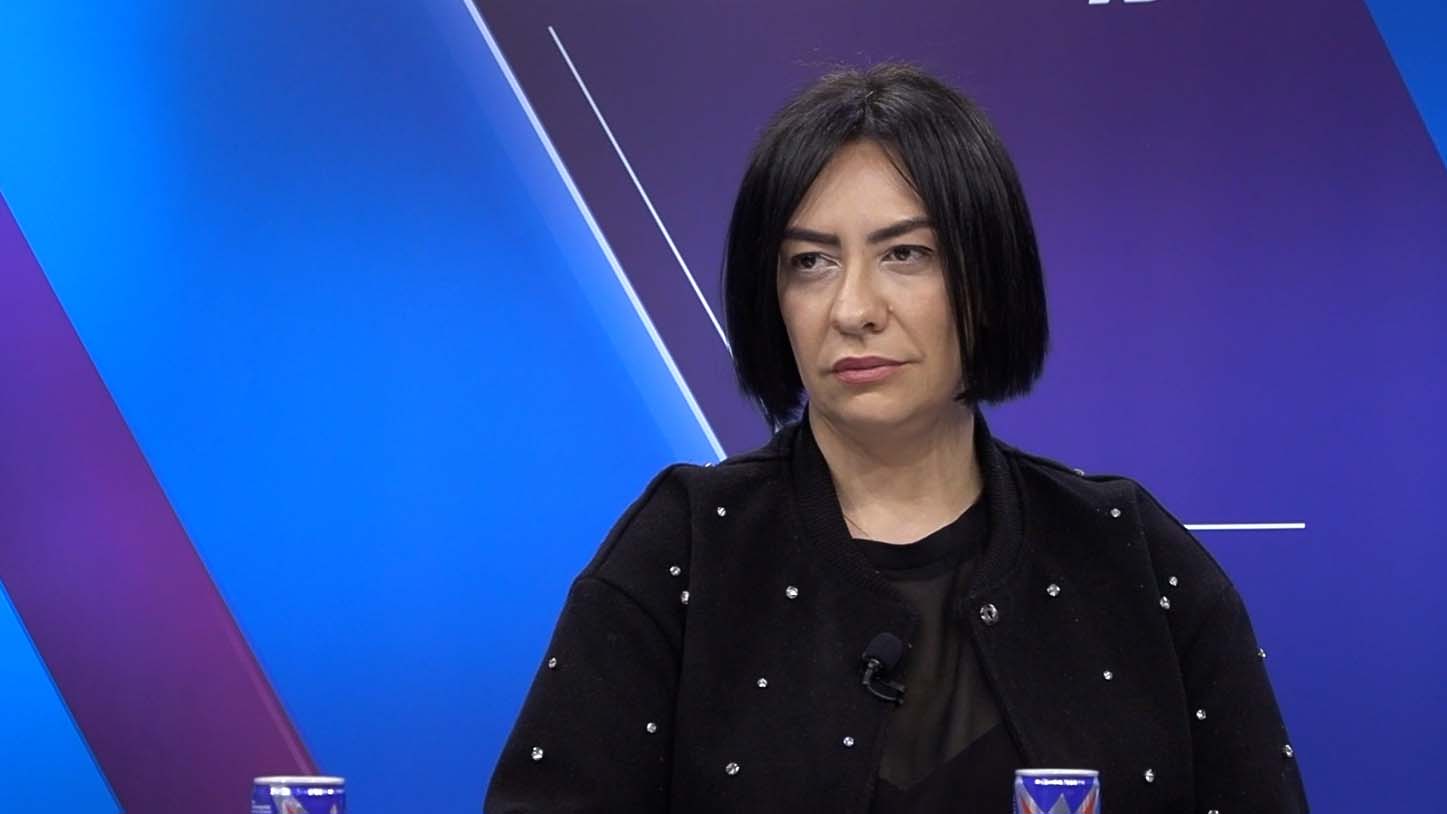
Brikena Hoxha, Executive Director of the Kosovo Stability Initiative. Photo: BIRN
Brikena Hoxha, Executive Director of the Kosovo Stability Initiative, said the situation is particularly troubling in the informal sector, where labour inspectors often lack access.
“Domestic workers, such as cleaners and caregivers, frequently operate without formal contracts,” she said, noting that, “if they die, they do not appear in official records at all.”
Zhinipotoku said that, “there are cases of deaths of workers in private homes, [who worked] without contracts, this is also problematic.”
Hoxha also noted that there is no comprehensive list of occupational diseases.
“We are experiencing deaths that we cannot even properly identify, and there are no mechanisms in place for us to understand why they are getting sick and dying.”
Moreover, Kosovo has seen an increase in migrant workers from countries such as Bangladesh and Philippines.
Hoxha described it as “shocking” to learn that migrant workers’ official documents are often seized.
“Problems are particularly among Filipino workers who arrive through irregular channels and lack proper work permits.”
Zhinipotoku explained that usually migrant workers from the Philippines are employed informally in private homes of business owners without contracts, complicating oversight efforts.
“The Inspectorate conducted awareness campaigns in English last year targeting this category of workers,” he claimed.
Violations of maternity leave and parents’ night shifts
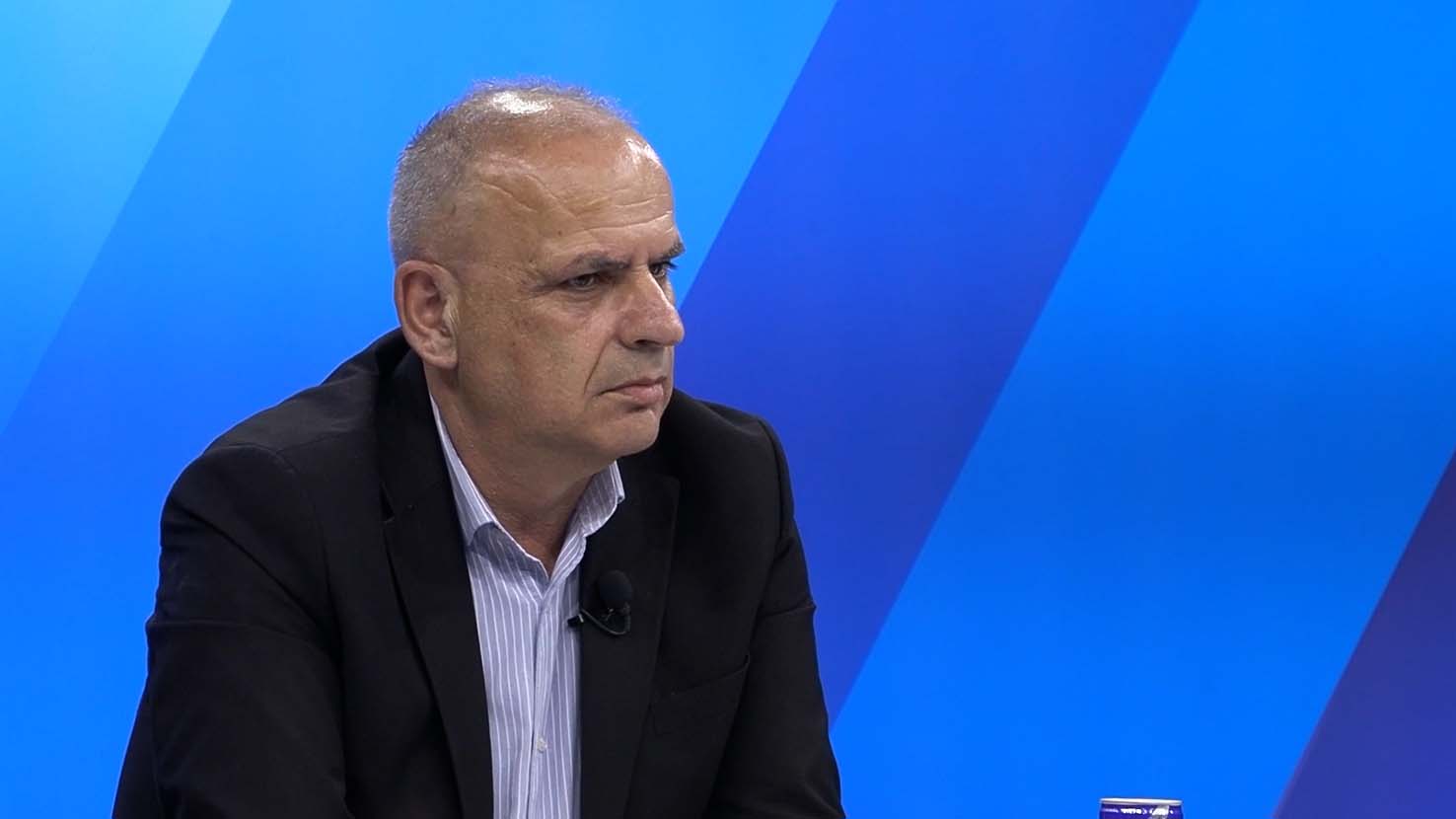
Vesel Zhinipotoku, acting chief labour Inspector. Photo: BIRN
Another hidden injustice is the lack of respect for maternity leave. For example, dozens of women undergoing medical specialisation are forced, in violation of labour law, to work night shifts, and their maternity leave is not paid.
“They have legal responsibilities of full-time staff, so [labour law] needs to be respected” added Hoxha.
The Ministry of Health considers these young female doctors as professionals undergoing training, and thus does not entitle them the same rights as other medical employees. However, these young female doctors claim that they are being held legally responsible for all the work they do, same as full-time doctors, thus they should be entitled to the same maternity leave rights as other employees under Kosovo Labour Law. Over 100 women graduated medical professionals who are undergoing specialisation in Kosovo medical systems have been left in a grey labour zone that deprives them of full labour rights.
Hoxha added that regarding night shifts Kosovo Labour Law states that, “parents with children under three, single parents, or parents of children with disabilities cannot be required to work night shifts without their consent.
She also criticised disparities in maternity leave compensation.
“Unemployed mothers on maternity leave are given money to stay at home, this is the policy implemented by the government,” she said, adding that, “for an employed woman, a private business is required to pay 70% of her salary for six months. This is challenging for the private sector.”
Azemi proposed that the government take responsibility for six months of maternity pay, with employers covering the remaining three months.
English version was prepared by Ardita Zeqiri