


Kosovo’s newly appointed Chief State Prosecutor, Zejnullah Gashi, took office amid concerns that the selection process failed to meet standards of transparency, merit-based recruitment, and integrity assessment required under Kosovo’s legal framework.
Zejnullah Gashi officially assumed office as Kosovo’s Chief State Prosecutor on Wednesday, following a selection process that monitors from BIRN and Internews Kosova state failed to meet standards of transparency, merit-based evaluation, and integrity assessment.
“I have just formally taken over the office of Chief State Prosecutor from Acting Chief State Prosecutor Agron Qalaj. I thank my colleagues for the trust they have placed in me. I will be a Chief State Prosecutor for everyone, and together we will work to strengthen the rule of law,” Gashi said during the handover ceremony.
In a monitoring report examining the recruitment process, the two civil society organisations conclude that the Kosovo Prosecutorial Council, KPC, conducted the appointment through a process that limited public access and did not verify candidates’ integrity before making its final decision.
The organisations further add that shortcomings in transparency prevented independent oversight before the appointment was finalised, while the evaluation panel relied mostly on candidates’ own declarations regarding integrity instead of seeing public information or allegations.
Since 2023, Gashi has served as Chief Prosecutor of the Basic Prosecution Office in Prishtina.
Gashi will lead the State Prosecutor’s Office for a seven year term. His appointment comes after Kosovo has been without a Chief State Prosecutor for four years, following the end of Aleksander Lumezi’s term in 2022. Former President Vjosa Osmani refused to issue a decree appointing Blerim Isufaj to the position, which has since been held in an acting capacity by Besim Kelmendi and Agon Calaj.
Concerns over transparency
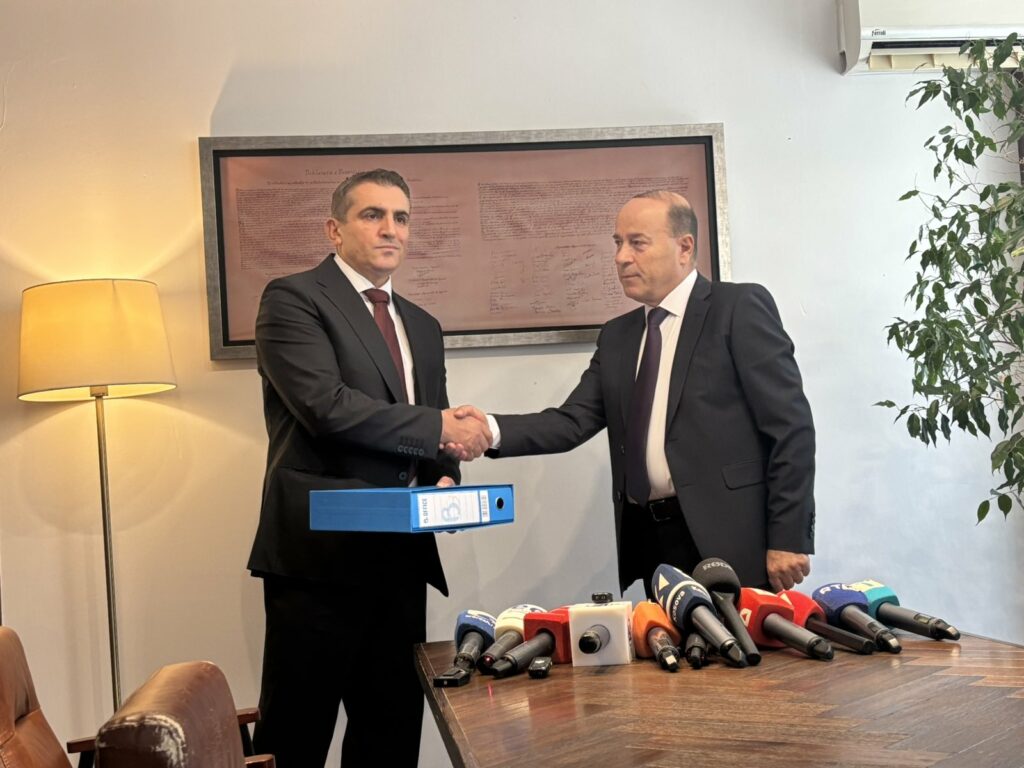
Zejnullah Gashi (L) and Acting Chief State Prosecutor Agron Qalaj (R) during the handover of duties on July 15, 2026. Photo: BIRN
According to the report, the acting President of Kosovo, Albulena Haxhiu, signed the decree appointing Gashi on July 14, several hours after the Kosovo Prosecutorial Council voted to nominate him.
In a Facebook post announcing the appointment, Haxhiu said she had consulted reports by civil society organisations monitoring the recruitment process before signing the decree. However, BIRN and Internews Kosova state that neither organisation was contacted or asked to present its findings.
“I expect Chief Prosecutor Gashi to carry out this duty with the highest standards of professional and moral integrity, impartiality, and courage, always demonstrating strong commitment to the state and its citizens, in accordance with the Constitution and laws of the Republic of Kosovo,” Haxhiu declared.
By comparison, during the previous recruitment process, then-President Vjosa Osmani declined to appoint Blerim Isufaj as Chief State Prosecutor, when BIRN and Internews Kosova were invited to brief her on their monitoring findings and presented concerns about the integrity of that process.
BIRN and Internews Kosova declared that their ability to assess the process this time was limited because the KPC released the detailed evaluation documents on July 13—the same day it voted to nominate Gashi.
According to the two organisations, in previous merit-based recruitment processes they monitored under a project supported by the British Embassy, evaluation panels disclosed and explained the scores awarded to each candidate before the monitoring organisations completed their assessments.
BIRN and Internews Kosova had formally requested access to the individual scoring sheets and written justifications from each evaluation panel member on July 6 and although the KPC had scheduled access to those documents for July 13, it cancelled the meeting shortly before it took place.
The organisations said that releasing the information only after the Kosovo Prosecutorial Council had voted to nominate the Chief State Prosecutor deprived civil society of the opportunity to see the evaluations before the decision was made.
Failure to properly assess integrity
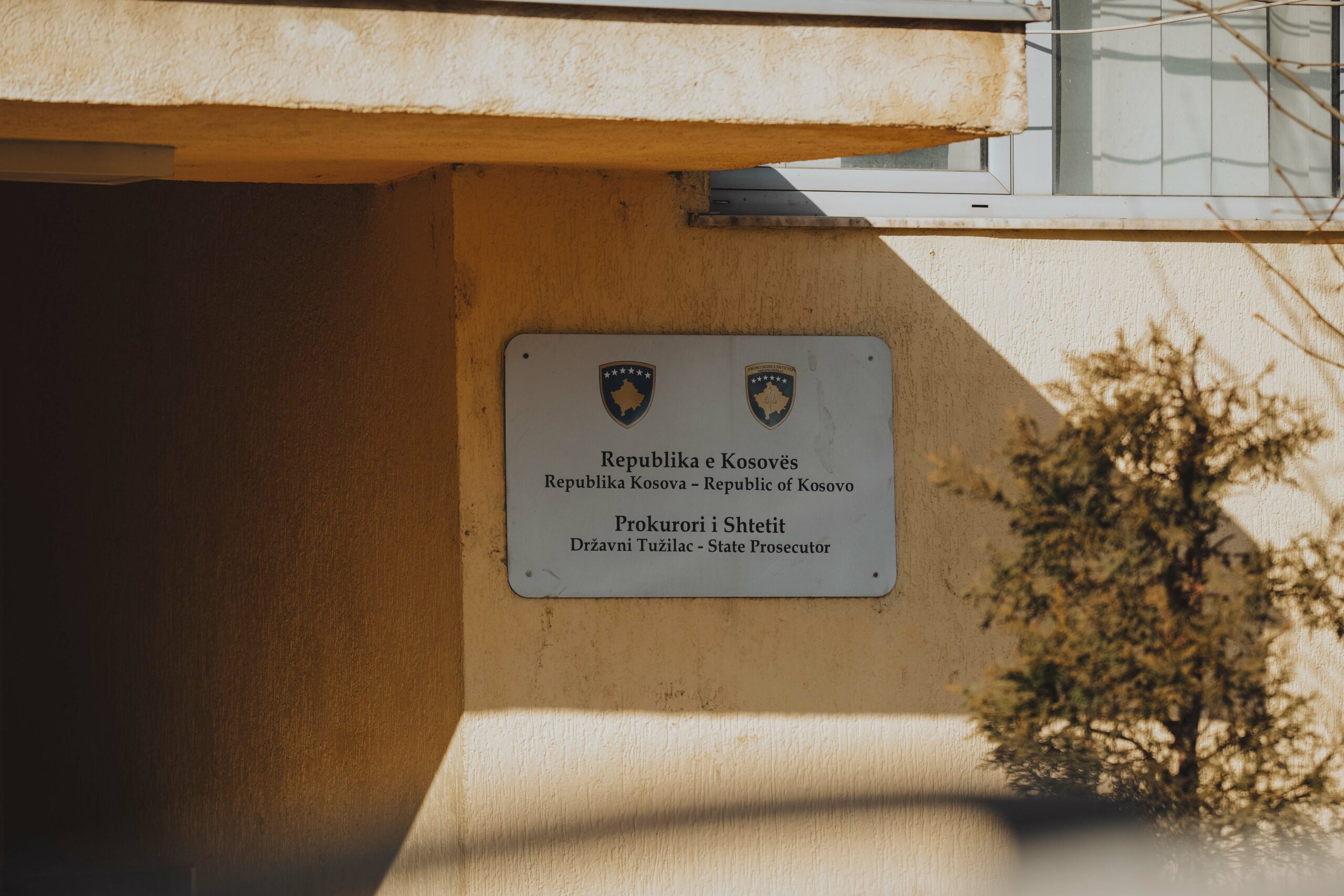
State Prosecutor. Photo: BIRN/Denis Sllovinja
One of the main findings of the BIRN report is related to the evaluation of candidates’ integrity.
According to BIRN and Internews Kosova, all five candidates received the maximum score-20 out of 20-for integrity. The organisations state that these assessments were based almost exclusively on candidates’ own statements during interviews and were not tested against publicly available information.
The report says panel members did not ask candidates about issues that had previously appeared in media investigations or public debate, including allegations concerning prosecutorial decision-making, political contacts, property ownership, sources of wealth, or relationships with individuals who had been subject to criminal investigations.
The organisations add that merit-based recruitment standards require interview panels to examine such issues where public information raises questions about legitimacy.
The report focuses particular attention on Zejnullah Gashi’s interview.
In the concept paper submitted as part of his application, Gashi identified institutional integrity as one of the pillars of his leadership vision for Kosovo’s prosecution service. He proposed establishing a dedicated mechanism to record external interference and attacks against prosecutors and described political influence and conflicts of interest as among the main threats to prosecutorial independence.
During his interview on July 1, 2026, Gashi was asked three standard questions on integrity. He told the evaluation panel that neither he nor his family had ever been involved in circumstances that could call into question his personal or institutional integrity.
“I say with full responsibility before this commission that neither I nor my family have ever been involved in anything that would undermine our integrity, whether personal or institutional,” Gashi said during the interview.
BIRN and Internews Kosova say that these statements were not tested against publicly available information, despite recruitment rules requiring evaluation panels to examine such material where relevant.
The report cites a KALLXO.com investigation published on May 26, 2026, which referred to police records containing statements given by then-Justice Minister Albulena Haxhiu. According to those statements, in 2021 Gashi and then-Prishtina Chief Prosecutor Kujtim Munishi visited Haxhiu’s office without prior notice while Gashi was handling a criminal investigation involving former Kosovo Prosecutorial Council Secretariat Director Lavdim Krasniqi.
Haxhiu, who was questioned in July 2024, had stated that, “He told me: ‘I have heard rumours that Lavdim Krasniqi is being prosecuted because of your grudge. But I am not doing this because of your grudge.’”
Haxhiu also told police that approximately two hours after the meeting, she read media reports stating that Krasniqi’s pre-trial detention had been lifted at the request of prosecutor Gashi.
Regarding the investigation, Gashi said publications by BIRN and KALLXO.com contained “unfounded allegations that harmed his professional integrity and created a false public perception.”
He also said the matter “had already been reviewed and closed by competent institutions because there were no legal grounds for further action.”
BIRN and Internews Kosova noted that Gashi had “repeatedly been invited to comment” on the reporting through phone calls, emails, and direct meetings but declined interview requests and did not answer journalists’ questions.
The report notes that members of the evaluation panel had received official notification about this investigation more than a month before Gashi’s interview, but no questions concerning the matter were asked during the integrity assessment.
BIRN and Internews Kosova add that the evaluation panel should have questioned Gashi about the incident as it had been publicly reported before the recruitment process.
Recruitment rules require verification
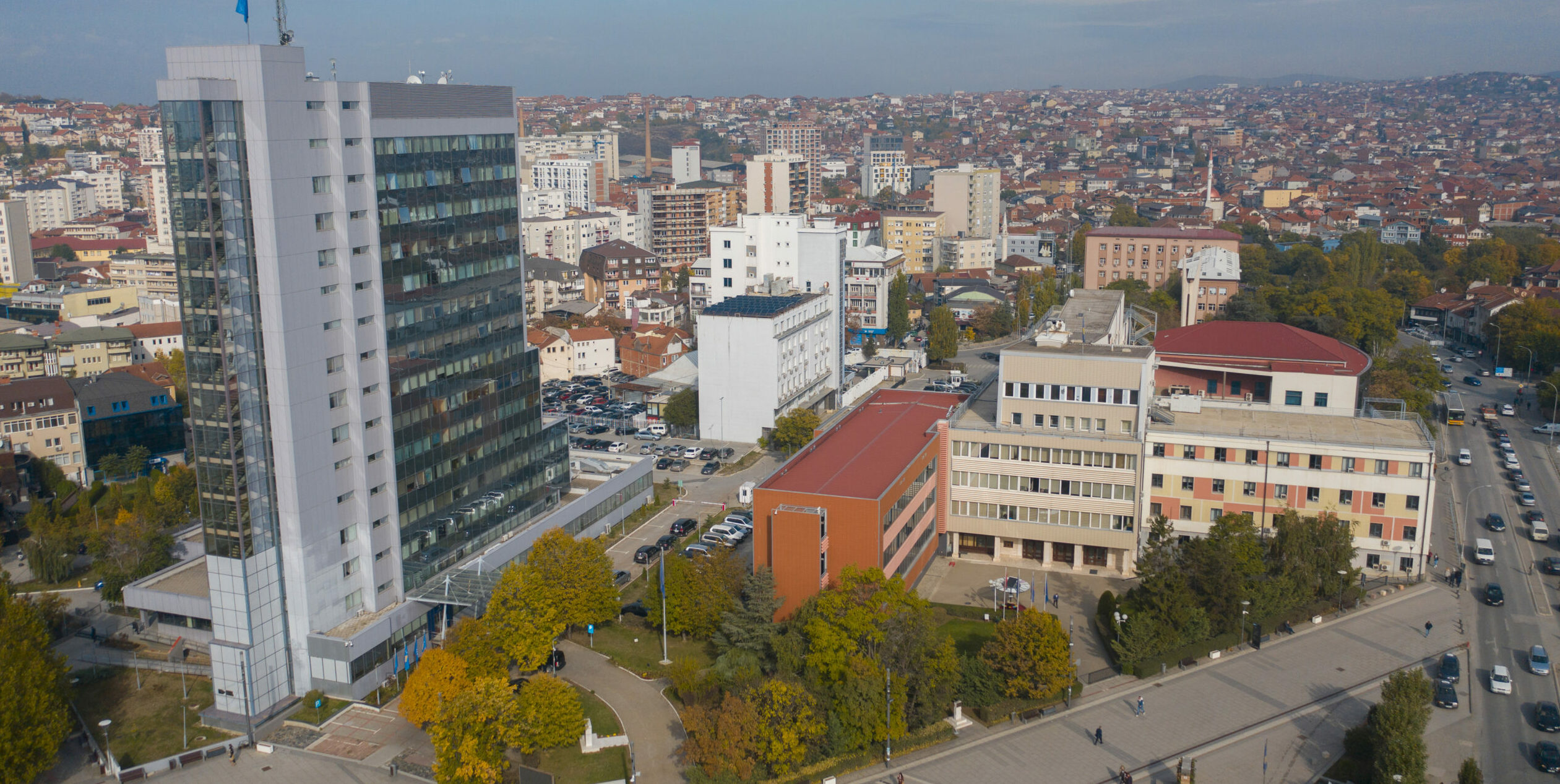
Kosovo government and parliament buildings in Prishtina. Photo: BIRN/Denis Sllovinja
The organisations cite Regulation governing appointments of chief prosecutors, together with the accompanying evaluation guidelines.
According to those rules, evaluation panel members are expected not only to consider candidates’ answers during interviews but also to familiarise themselves with publicly available information relevant to integrity.
The guidelines further state that if a candidate denies any circumstances that could undermine public confidence, but publicly available information says otherwise, panel members should discuss those issues directly during the interview.
BIRN and Internews Kosova note that this mandatory step was skipped.
The report also questions the quality of the written reasoning accompanying the panel’s scores.
Rather than publishing each evaluator’s original scoring sheets and detailed explanations, the KPC released a summary of panel members’ reasoning.
According to BIRN and Internews Kosova, the published justifications consisted of brief, standardised statements that failed to explain why candidates had received the highest possible scores.
The organisations also state that this falls short of the regulation’s requirement that assessment scores must be supported by detailed reasoned explanations.
The report stresses that the position of Chief State Prosecutor carries particular institutional importance as this person will lead Kosovo’s prosecution service and is expected to safeguard prosecutorial independence from political influence.
Considering all the aforementioned details, the organisations concluded that the recruitment process did not meet the highest standards of transparency, merit-based selection, and integrity verification required by Kosovo’s legal framework.