


The public was flooded with disinformation during the election period in Kosovo, while regulatory bodies struggled with oversight because of persistent governance issues.
Since the begining of the campaign for Kosovo’s early elections on December 28, 2025, social media and media platforms have been flooded with disinformation that has challenged both the electoral process and public trust. On Facebook and TikTok, false statements attributed to public figures and politicians, AI-generated videos, and fabricated news stories have been circulated widely.
The Prishtina-based think tank, Democracy for Development, D4D, examined the social media information environment during Kosovo’s 2025 National and Local Elections, analyzing digital political dynamics across both governance levels. Their report, which covers the period from December 2024 to November 2025, underlines that women remain the primary targets of gendered disinformation, online violence, and misogyny.
The findings reveal that 14% of all comments (91,525) contained hate speech toward women in politics. Male authors generated 96.2% of these comments in 2025, which is up from 89.6% in 2023.
According to the report, deepfakes and AI-generated content are rapidly becoming the central tools of political misogyny. Targets include President Vjosa Osmani, former President Atifete Jahjaga, and MPs such as Mimoza Kusari-Lila, Doarsa Kica-Xhelili, Fitore Pacolli, and Duda Balje.
In its annual Progress Report for Kosovo the European Commission highlighted that hateful rhetoric and disinformation related to interethnic tensions and produced by foreign actors, had increased, particularly during the election period in February 2025. The report says that the authorities should develop effective counter-narratives and strategic communication to counter disinformation and address hateful rhetoric online.
Furthermore, the report notes that the Independent Media Commission (IMC) struggled to enforce its regulatory oversight due to persistent governance issues, adding that, “another worrying issue was the inadequate response to electoral disinformation and foreign interference.”
Krypometër, BIRN Kosovo’s fact-checking platform, certified by the International Fact-Checking Network, IFCN, and the European Fact-Checking Standards Network, EFCSN, found that, during the early election campaigns in December 2025, high-profile public figures, including former presidents Hashim Thaçi and Atifete Jahjaga, former prime minister Isa Mustafa, former minister Arsim Bajrami, and political analyst Imer Mushkolaj, were targeted by posts falsely attributing to them statements supporting political parties.
Krypometër verified that posts falsely portrayed Thaçi, who is currently in detention in The Hague, as calling on voters to support acting PM Albin Kurti, who is also head of Vetëvendosje. Jahjaga and Bajrami have publicly described similar posts attributed to them as false and propagandistic. Mustafa has also denied making statements in support of Kurti or his government.
Of the 55 pieces published by Krypometër and verified as false, 47 were directly related to the electoral process, political parties, or political figures and candidates for MP. On TikTok, the pattern was similar: of around 80 pieces of content verified as false, 61 were linked to the early elections.
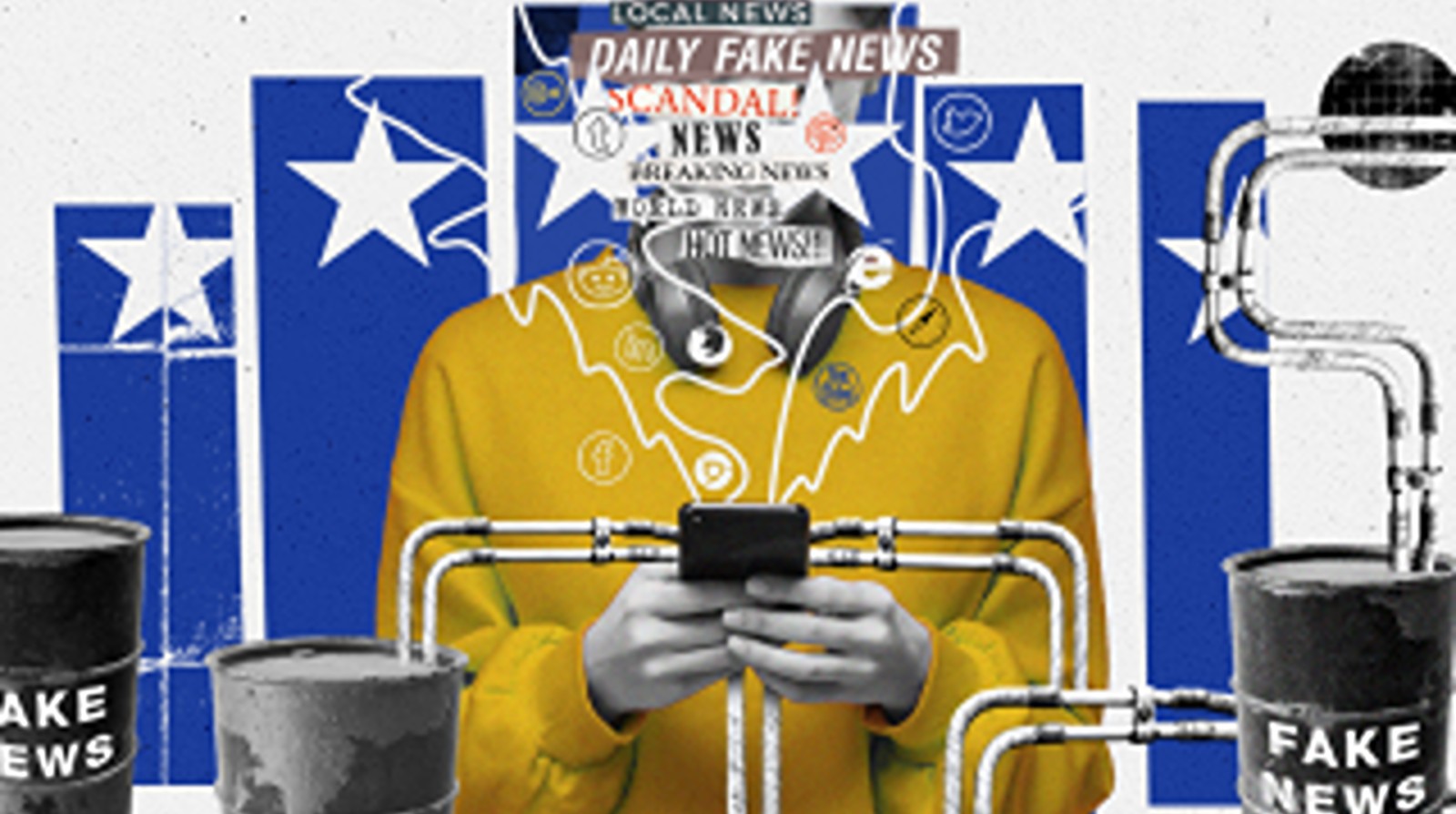
Illustration: BIRN/Igor Vujcic
Disinformation trends were mainly centered on manipulated statements, false polling data, and narratives involving diaspora. False polls were circulated to project misleading levels of party support. None of them were supported by credible sources and they all lacked basic transparency. In all the cases that Krypometër identified, no methodology was provided, and the authors or organizations behind these polls were not identified. These are all key elements required to assess the reliability of any poll.
Imer Mushkolaj, Director of the Kosovo Press Council, said that false content attributing fabricated statements to political figures was widely circulated and influenced the public. According to him, many people struggle to distinguish between false and accurate information.
“The main targets of these disinformation campaigns are people who trust certain public figures. By using statements falsely attributed to them, the aim is to influence voters’ decisions. The credibility of public figures is being misused to achieve political goals,” Mushkolaj told BIRN Kosovo.
He added that some disinformation campaigns appeared organized and sophisticated, often using Artificial Intelligence to make content appear credible, thereby increasing its impact in the public.
During the election campaign, on TikTok and Facebook, Krypometër also identified AI-generated videos simulating livestreams from Prishtina International Airport. These showed members of the diaspora endorsing or opposing candidates from the Democratic League of Kosovo and Vetëvendosje. These videos used the logos of local TV stations without their authorization in order to appear authentic.
“Low media literacy levels are an ally of those who create disinformation campaigns. The situation becomes even more problematic during election campaigns, when the volume of news increases along with opportunities for disinformation,” Mushkolaj said.
Eugen Cakolli of the Kosovo Democratic Institute, KDI, said false political content has also influenced party performance, particularly among Kosovo Serb parties.
“In the most recent elections alone, we saw numerous sponsored articles from Sputnik and other outlets from Serbia and Russia targeting candidates from the local Serb opposition in Kosovo,” he said.
According to Cakolli, this contributed to the near disappearance of some Serb opposition parties from the political scene, which he described as a setback.
Other research in Kosovo on disinformation originating from Serbia and Russia has pointed to intentions to escalate security tensions.
Albert Krasniqi from the NGO Democracy Plus said Serbian and Russian influence in Kosovo is malign.
“Serbia and Russia seek to influence citizens through disinformation, especially Kosovo Serbs who rely heavily on Serbia-based media. These outlets often republish Russian content and attempt to fuel interethnic tensions and hinder the integration of Kosovo Serbs into institutional life,” Krasniqi said.
The BIRN report “Hate Speech and Disinformation During the 2025 Election in Kosovo” concluded that Kosovo’s February 2025 parliamentary election campaign was marred by unprecedented hate speech and disinformation from local and foreign actors, raising concerns about the integrity of future elections unless significant action is taken.
The report found that during the election campaign, local and foreign actors, mainly in Serbia and Russia, increased their production of disinformation related to interethnic violence and a possible Serbia-Kosovo war.
BIRN concluded that the authorities are currently unable to tackle disinformation and safeguard the right of voters to make a free and informed choice when picking their elected representatives.