


For more than two decades, disinformation in Kosovo has fueled ethnic hatred, legitimised violence, enabled terrorism, and, in some cases, led directly to murder.
Disinformation in Kosovo is not simply a matter of false headlines or misleading social media posts. The BIRN Documentary ‘Disinformation that kills’ shows how it has fueled interethnic violence, legitimised extremism, enabled terrorism, and even led directly to murder.
Since the 1999 war, and up until the recent Banjska attack, manipulated narratives have repeatedly been used to destabilise the country and divide its society.
On an ordinary day, a citizen in Kosovo may encounter dozens of alarming messages online: warnings of an imminent ethnic war, claims that Kosovo’s institutions are collapsing, or religious narratives declaring democracy illegitimate. Few can tell whether these messages originate from Russian-backed propaganda networks, Serbian state-aligned outlets, or extremist Islamist groups.
The goal is consistent—to present Kosovo as a failed state.
The first front: After the war
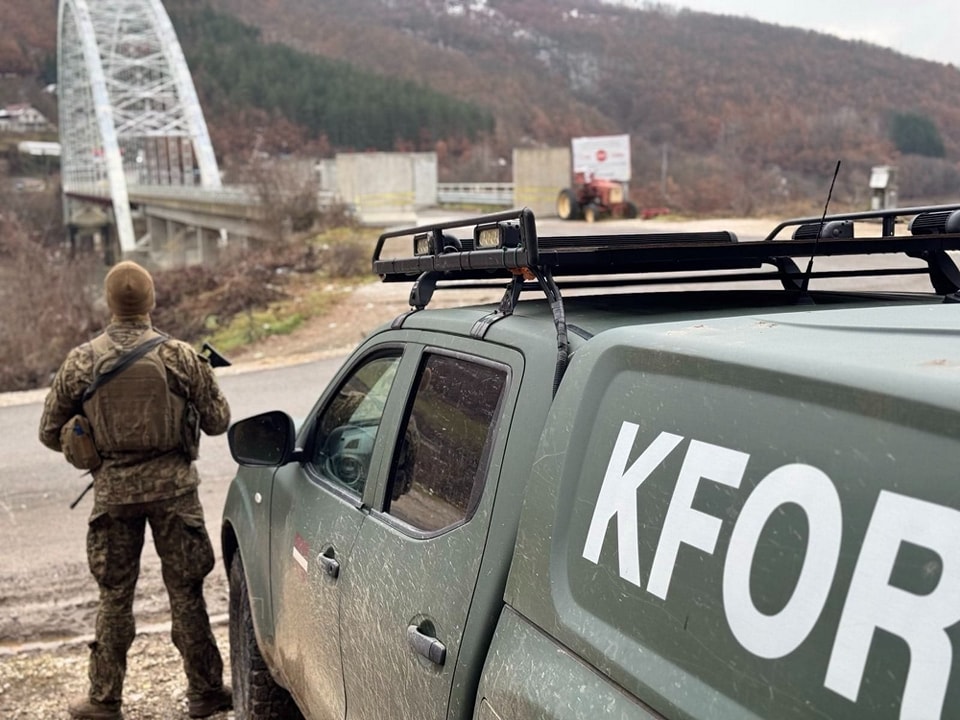
KFOR troops patrolling in Kosovo. Photo courtesy of Nato-KFOR official account on Facebook
The disinformation campaigns began almost immediately after the war ended in June of 1999. Narratives circulated portraying NATO’s KFOR mission and the UN administration in Kosovo, UNMIK, deployed under Resolution 1244, as incompetent and hostile. NATO was framed as unable to provide security, UNMIK as incapable of governing or protecting minorities, particularly Serbs.
These claims circulated on media platforms linked to Serbia and Russia, and were reinforced by official statements from Moscow that echoed Belgrade’s positions.
According to security analyst Jeta Loshaj, Russia’s role extended beyond media manipulation. “Disinformation was also spread through formal diplomatic language and official statements,” she says, adding that they were creating a “continuous echo of Serbian state narratives.”
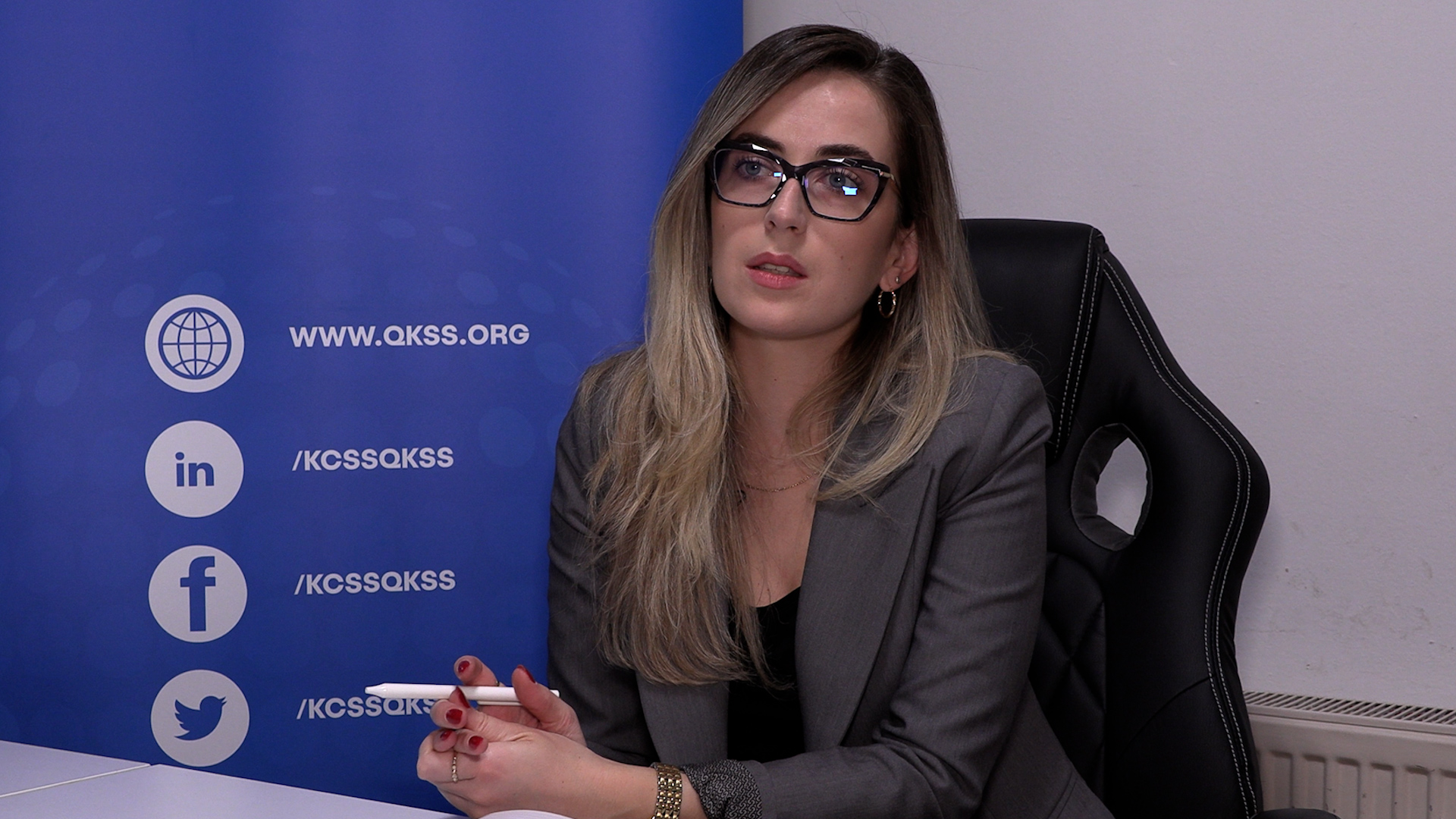
Jeta Loshaj. Photo: BIRN
The fault line was clear: security between different ethnic communities in Kosovo.
As ethnic tensions were rising, a second, quieter threat emerged. Islamist extremist groups began recruiting in Kosovo, using a blend of religious rhetoric, conspiracy theories, and real social grievances.
Extremist groups portrayed Kosovo’s democratic system as corrupt, anti-Islamic, and morally bankrupt. More than 400 Kosovars eventually joined ISIS. Around 100 never returned.
Fatal consequences of disinformation
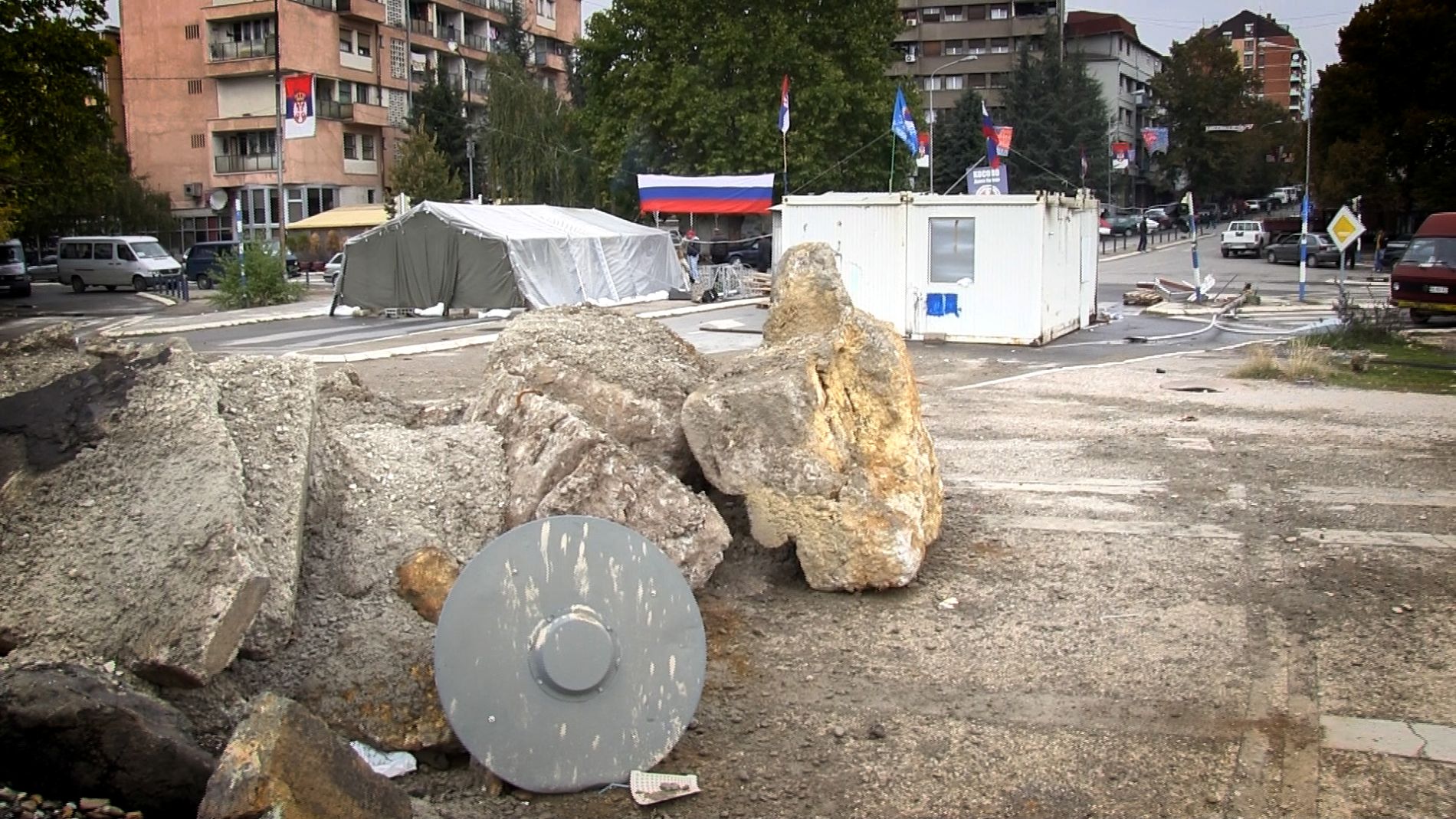
Barricades in north Mitrovica. Photo: BIRN
For over 25 years, the bridge over the Iber River in Mitrovica which separates Albanians in the south and Serbs in the north has persisted as a symbol and instrument of division. At least ten people, including international mission personnel, have been killed in interethnic clashes in the area.
Protests were repeatedly organised on both sides of the bridge, often without identifiable leaders. Their consequences, however, were clear: violence, retaliation, and fear.
Journalist Miodrag Milicevic describes how media coverage deepened the divide. “Reporting became ethnic,” he says. “Albanian media covered events from the south, Serbian-language media from the north. Two narratives—one city.”
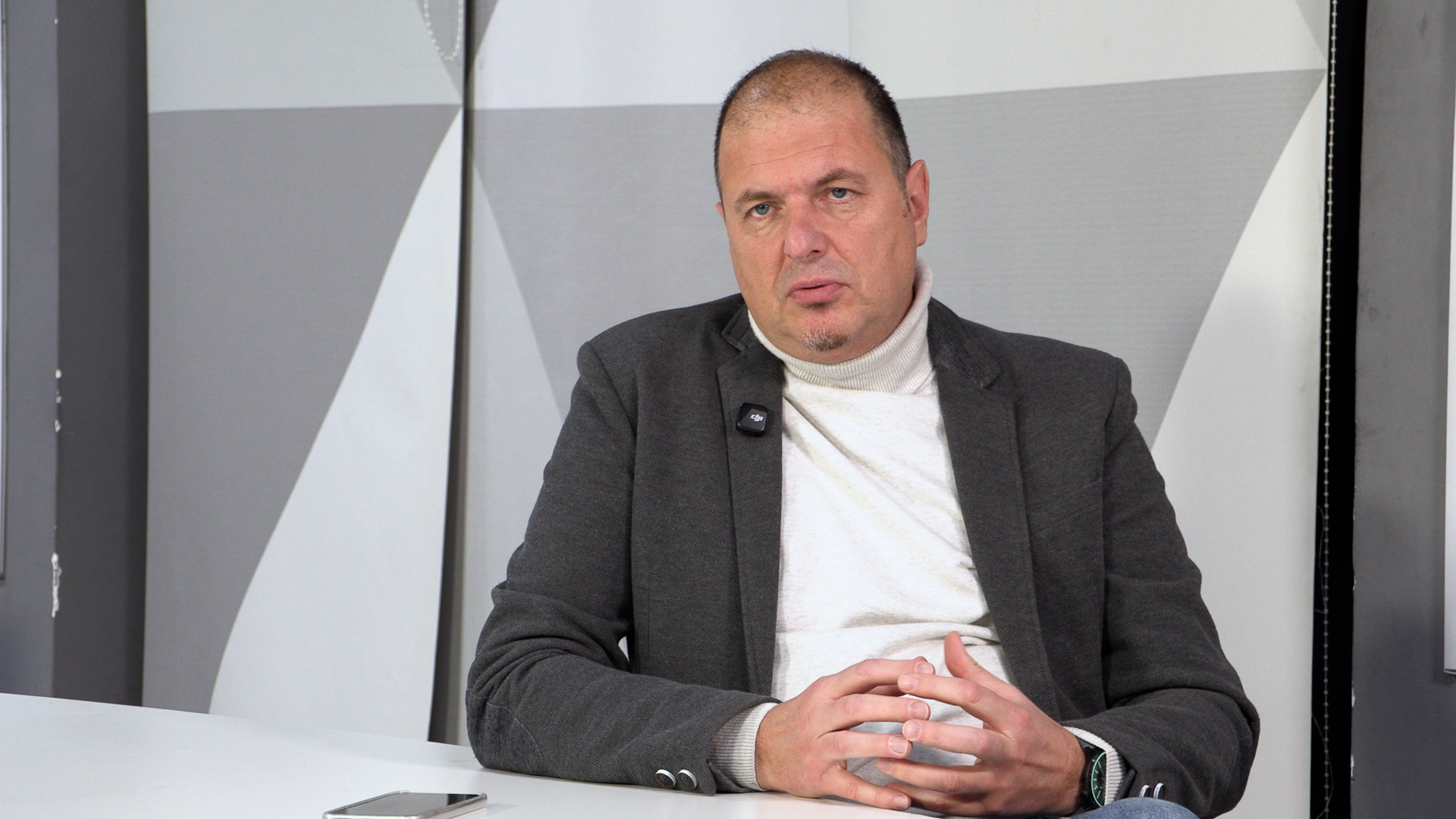
Miodrag Milicevic. Photo: BIRN
The March 2004 riots marked the most violent eruption of this dynamic. After months of disinformation undermining trust in international missions, unrest exploded across the country. More than 20 people were killed. Two decades later, no organiser has been officially identified.
Political analyst Lulzim Peci believes the violence derailed critical international operations against Serbian parallel structures.
Peci stated that initially there had been peaceful protests in Prishtina in front of the UNMIK mission, followed later by the events in Mitrovica.
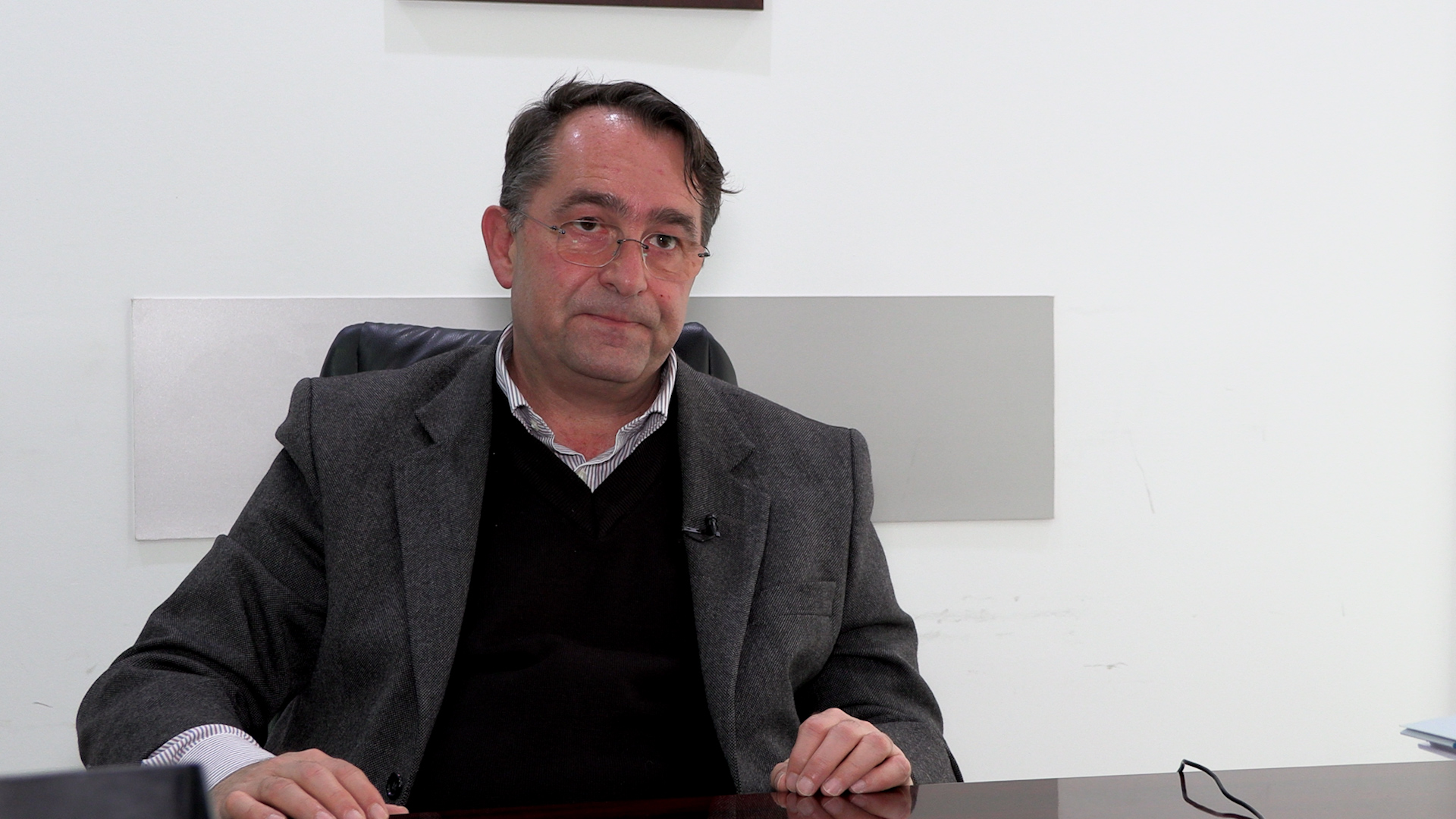
Lulzim Peci. Photo: BIRN
“At that time KFOR had planned an operation to deal with the parallel structures of Serbia in Kosovo—this entire scheme collapsed,” Peci said.
He added that many elements of Islamic radicalism in Kosovo were also involved in these protests. “Another element is that intelligence services, which did not have Kosovo’s best interests at heart, may also have been involved.”
“The perpetrators were punished, but the organisers never were,” he further noted.
Political analyst Nexhmedin Spahiu said he had warned KFOR a few days before the events.
“I warned that UNMIK was leading poorly and that there was a risk of unrest breaking out.”
According to Spahiu, the failed protest, which resulted in 20 lives lost, was a disaster for Kosovo politically. “All the compromises later made in Vienna [regarding Kosovo’s status], which were detrimental to Kosovo, were also a result of these events.”
Hybrid warfare and the Banjska attack
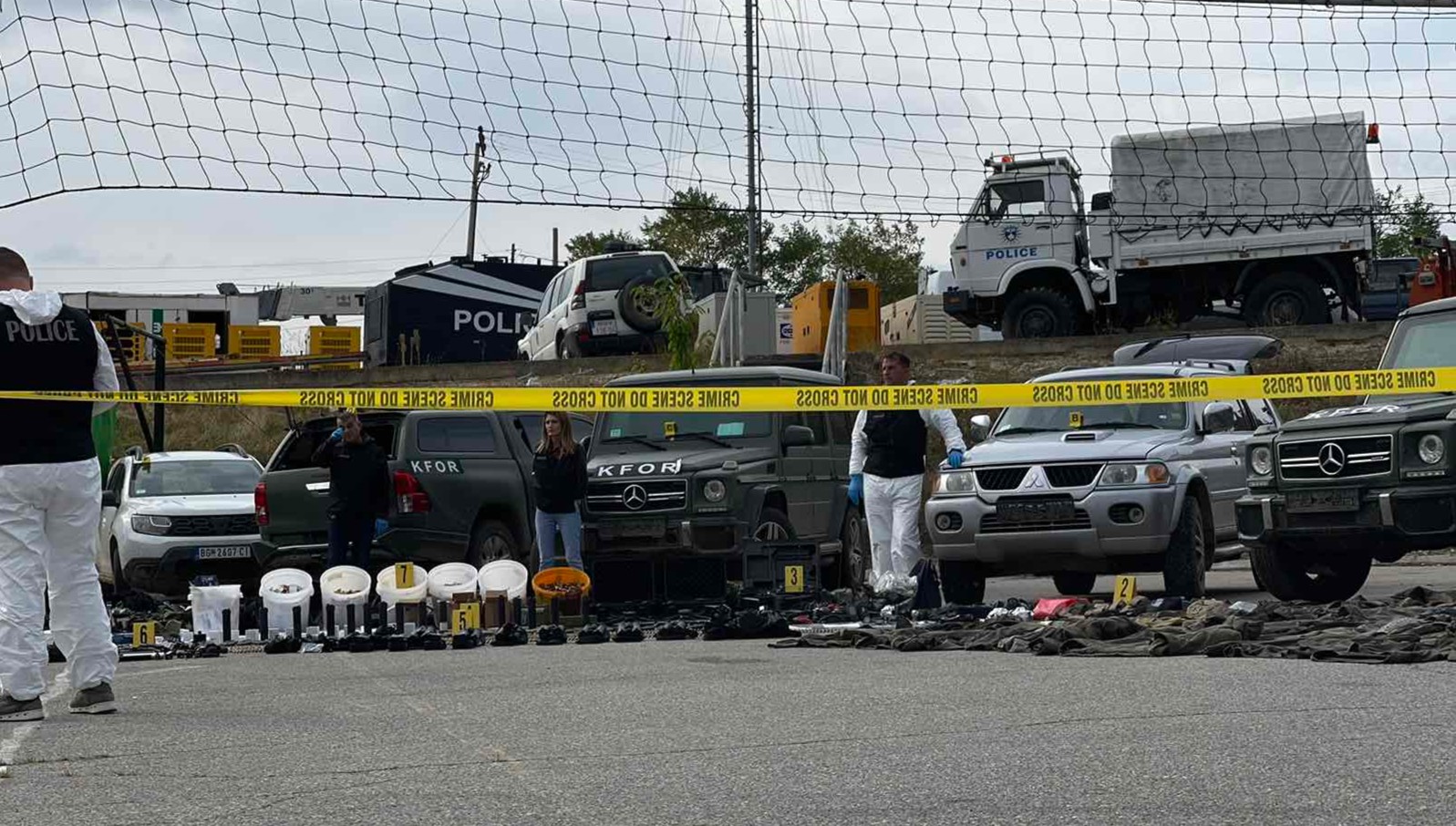
Vehicles and weapons seized by Kosovo Police in Banjska, shown on September 25, 2023. Photo: BIRN
Kosovo police have since established specialised units to analyse public discourse and online messaging. Their findings show that protests, particularly around Mitrovica, were often incited by suspicious groups using nationalist symbolism.
Official data show that in the past two years, Kosovo has seen an increase in arrests for incitement of interethnic hatred. Polarising and provocative language, fueled by both domestic and foreign actors, has led to 20 citizens being jailed.
In 2023, Kosovo faced one of its most serious security crises in years: the Banjska terrorist attack.
Police officer Agron Metolli, involved in the investigation of the Banjska attack, said it had been carefully planned, including efforts to frame it as a “civilian uprising.”
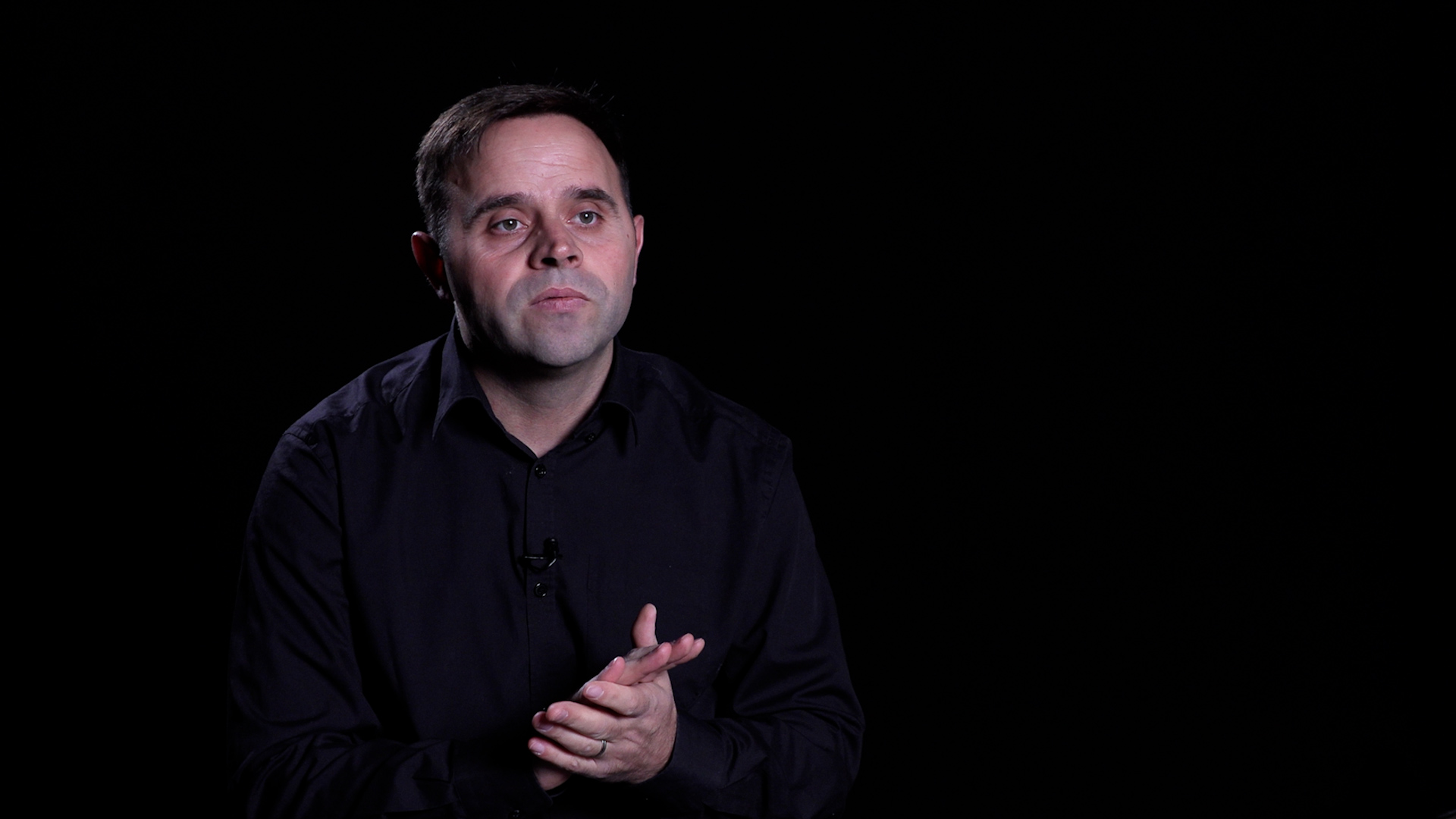
Visar Prebreza. Photo: BIRN
“We also found written messages intended for residents in the north, suggesting that ‘we liberated the North from the institutions of the Republic of Kosovo,’” Metolli explained.
Fact-checking organisations documented hundreds of fake news related to the attack. “The goal was fear,” said Visar Prebreza, editor in chief of the KALLXO.com fact checking platform ‘Krypometri.’“Albanian-language disinformation was more credible to Serbian audiences and easier to weaponise.”
He added that, “We documented hundreds of news items aimed at presenting every action of Kosovo’s institutions as a ‘Storm’ (Oluja, in Serbian) against the Serbs, with Serbia’s media outlets pushing this narrative.”
Terrorism, financing, and hidden networks
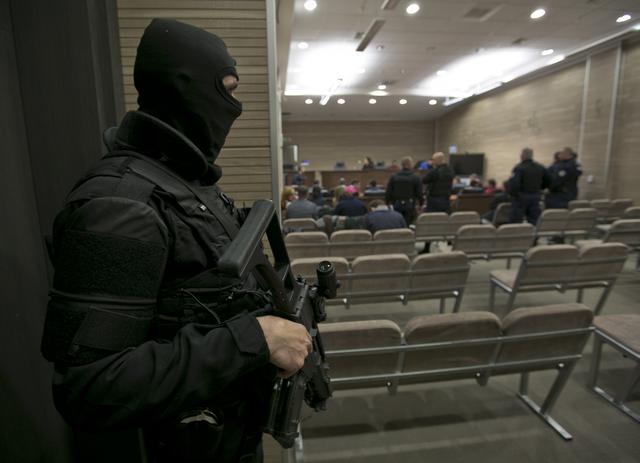
Terrorism trial in January 2016. Photo: BIRN
Kosovo’s authorities have still not fully traced the sources of funding behind the disinformation platforms operating in the country.
An investigation by the Special Prosecutor’s Office uncovered a 2018 plan to destabilise Kosovo. The terrorist organisation ISIS had prepared a plot reminiscent of an action movie.
Abu Ahmed, head of ISIS intelligence, had conceived an attack in Kosovo aimed at sparking interethnic tensions. According to the prosecutor’s files, Ahmed secured funds from Kyrgyzstan and Russia to finance a terrorist cell in Kosovo, which planned to target Serbian Orthodox churches and nightclubs in Serb-populated areas on Vidovdan—the day commemorating the Battle of Kosovo.
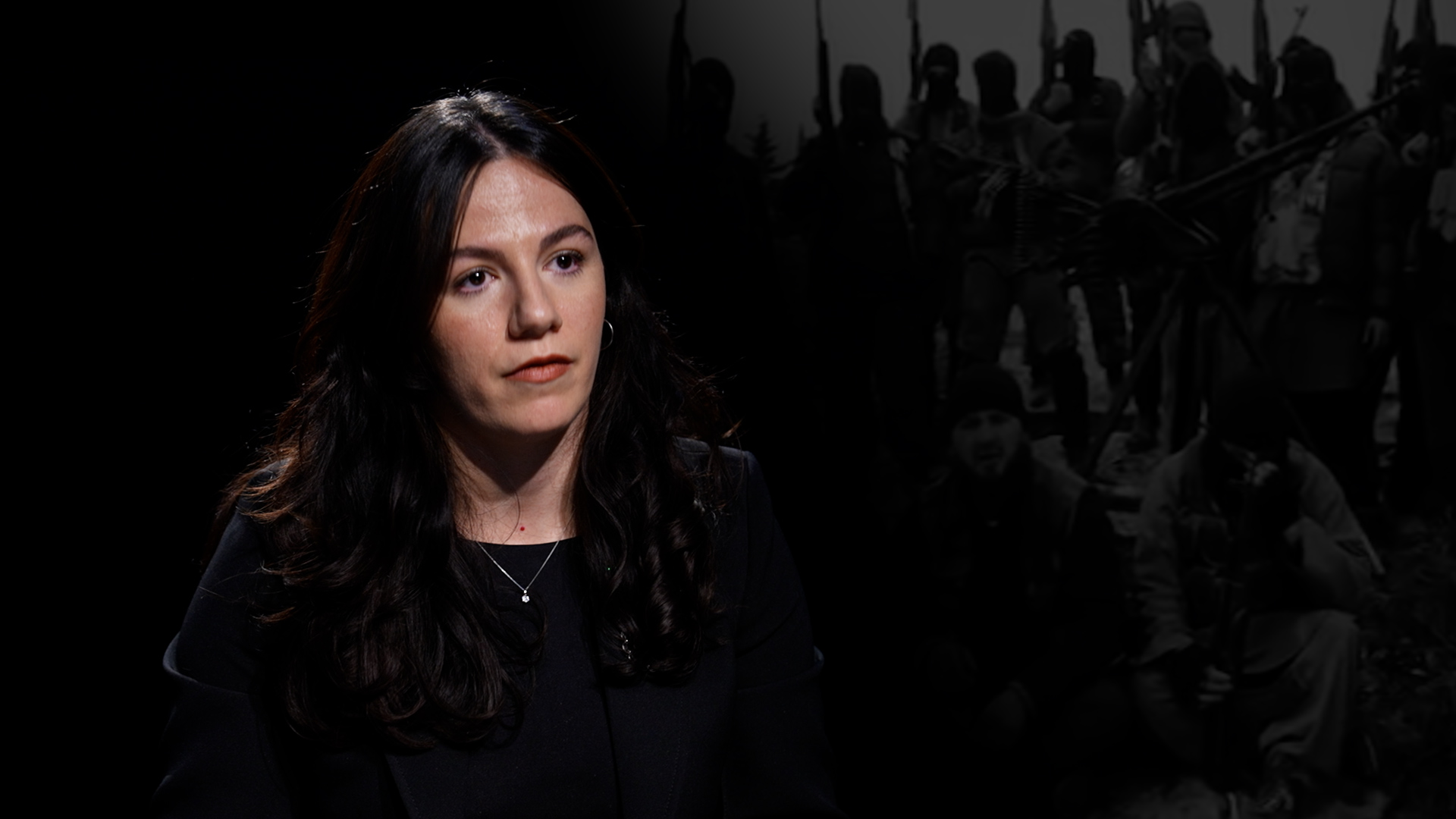
Rudina Jakupi. Photo: BIRN
The plan, uncovered by Kosovo authorities, also involved Kosovo Albanians affiliated with ISIS, including Lavdim Muhaxheri and Ridvan Haqifi. The group received 9,000 euros to purchase explosives from a source in Germany, with the financing channelled through a contact in Russia.
While the ISIS plan for a mass attack failed, attempts to seize power and delegitimise Kosovo’s institutions continued.
Metolli explained that the financing operations are complex. “Some funds were used for purposes beyond spreading extremist ideologies.”
Security expert Rudina Jakupi noted that religious disinformation, though limited in scope, had a major impact.
“It was based on a combination of fake news, conspiracy theories, and religious narratives. The main aim of this mix was to portray Kosovo’s democratic and pluralist system as fundamentally anti-Islam,” she said.
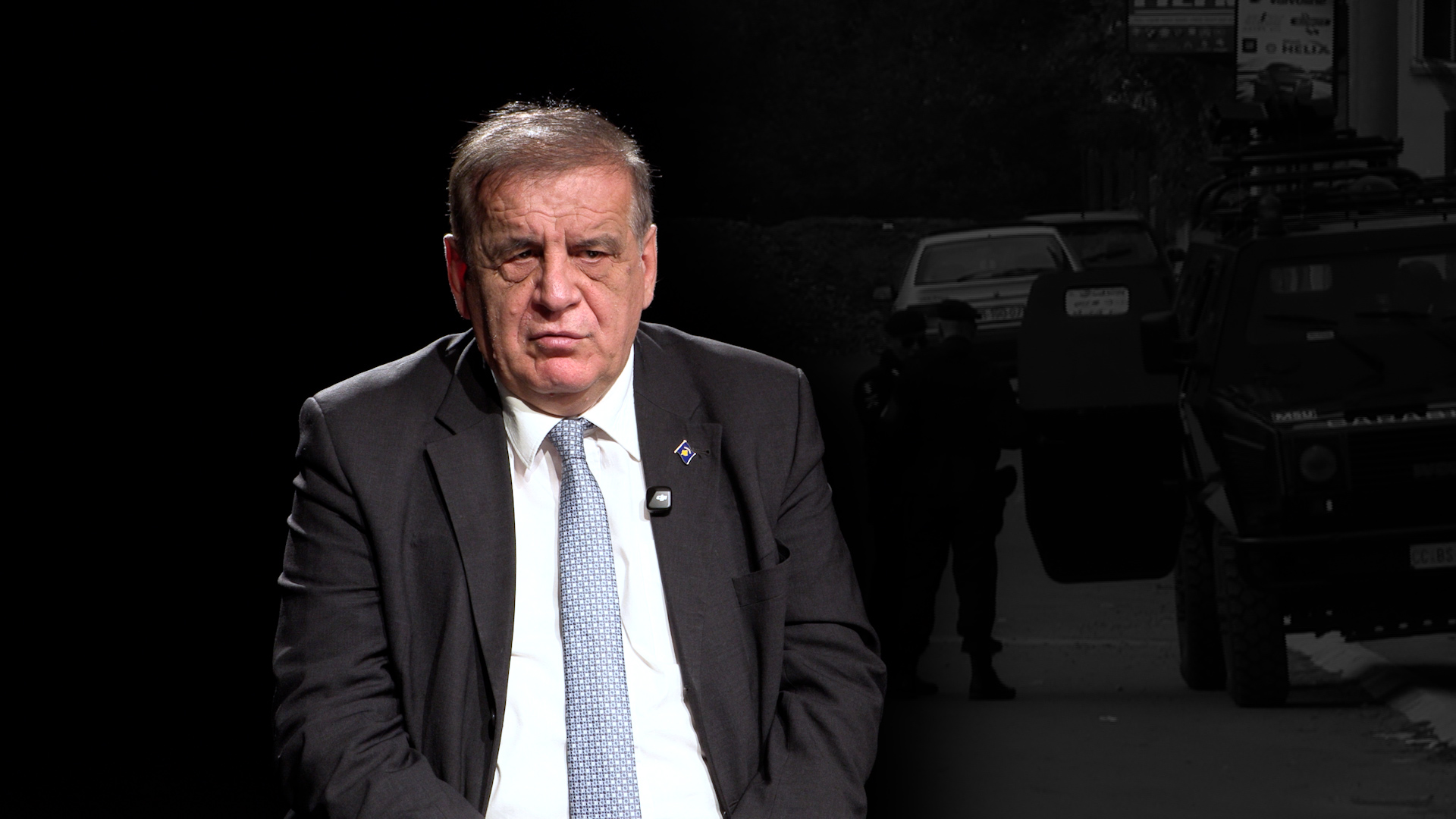
Nexhmedin Spahiu. Photo: BIRN
Peci added that this phenomenon started in 1999 with the arrival of groups from the Gulf countries. “There were organisations that came with large sums of money; the situation at the time was very difficult. Later, they introduced literature and set up schools outside Kosovo’s Islamic Community.”
Metolli highlighted that many narratives continue to support ISIS-led ideologies.
“One of the main tools offered by ISIS is what they call ‘online jihad,’ which focuses heavily on spreading ideology to recruit and identify individuals for further recruitment.”
Jakupi added that initially, radicalised individuals attacked the political and constitutional order in Kosovo, later combining this with citizens’ grievances.
“By referencing corruption, high unemployment, and feelings of discrimination and injustice experienced by the population, they exploited these real frustrations to advance their narratives.”
A particularly striking development has emerged in recent months: online groups have started promoting support for Vladimir Putin among Muslims. Hundreds of Albanian-language materials have circulated online, showing Putin reading the Quran or visiting mosques.
Metolli noted that this is partly a reaction to U.S. sanctions against Muslim-majority countries. “They try to portray Vladimir Putin as a powerful figure,” he said.
Jakupi added that these groups also “share with Putin a common opposition to Western causes, LGBTQI+ rights, and other international issues.”
Disclaimer: This material was produced with the support of the British Embassy in Kosovo through funding from the UK Government; however, the views expressed do not necessarily reflect the official policies of the UK Government.