


Lack of transparency in media financing in the Western Balkans has created fertile ground for political influence and the spread of disinformation, mainly from Serbia, Russia, and China.
On October 9, 2025, the Kosovo Police arrested Fatmir Sheholli on espionage charges. Sheholli was formerly head of the Prishtina-based Institute for Advancing Interethnic Relations and previously worked at the Ministry of Returns and Communities.
Sheholli, currently in custody, is suspected of carrying out orders from Bojan Dimic, a senior official in the Serbian secret service. According to the prosecution file, seen by Prishtina Insight, some of his duties included gathering information and distributing it to Kosovo media.
The prosecution’s file also stated that direct observation revealed a scheme where Sheholli received information from the Serbian secret service, which was later published in the media in Kosovo.
Though Sheholli’s case has received a lot of media attention in Kosovo recently, experts claim it is not an isolated incident. Undisclosed funding of media and weak institutional oversight have enabled domestic and foreign actors across the Western Balkans, particularly Russia, China, and Serbia—one of the WB6— to shape media narratives, influence elections, and undermine democratic processes.
In the documentary ‘Documenting the Financing of Lies,’ produced by KALLXO.com and aired on January 30, Murat Mehmeti, an investigator at the Tax Administration of Kosovo, TAK, said that for some media outlets in Kosovo oversight is often difficult considering that they might accept payments in cash for problematic content and propaganda.
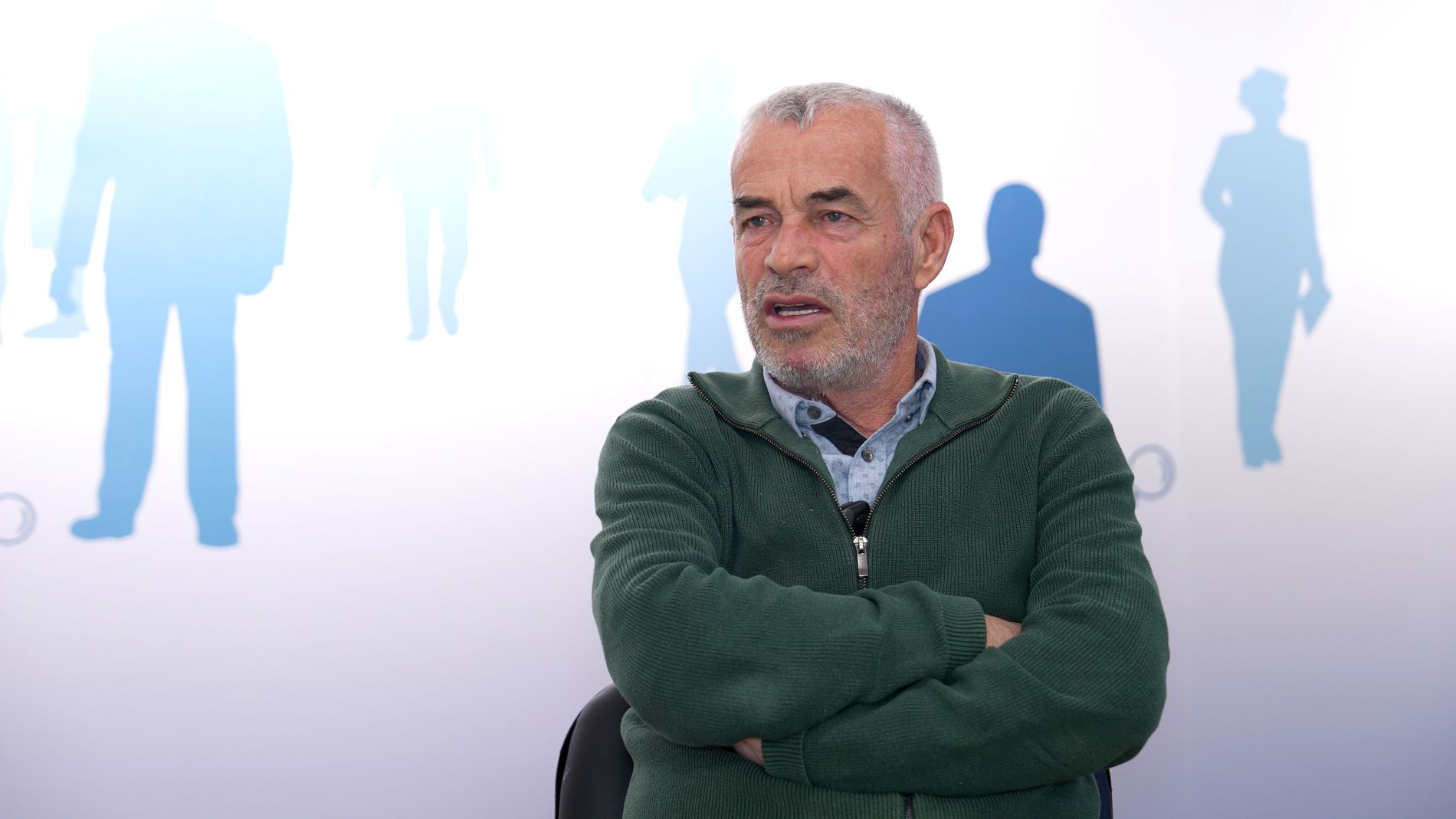
Murat Mehmeti. Photo: BIRN
“I believe these funds arrive in cash and end up with media outlets that promote specific agendas,” Mehmeti said, further noting that, “in the second half of last year, there was strong interest from Serbia in pushing the narrative that there is a conflict between [Serbian President Aleksandar] Vucic and Milan Radoicic,” the former vice President of Srpska lista, the Belgrade-backed political party representing Kosovo Serbs. Radoicic is suspected of several criminal violations in Kosovo, but he evaded the authorities by fleeing to Serbia.
Mehmeti explained that media figures and influencers in Kosovo spread narratives from Belgrade. This has “contributed to the near disappearance of Serbian opposition parties from the political scene,” he explained.
Indirectly influencing the electorate
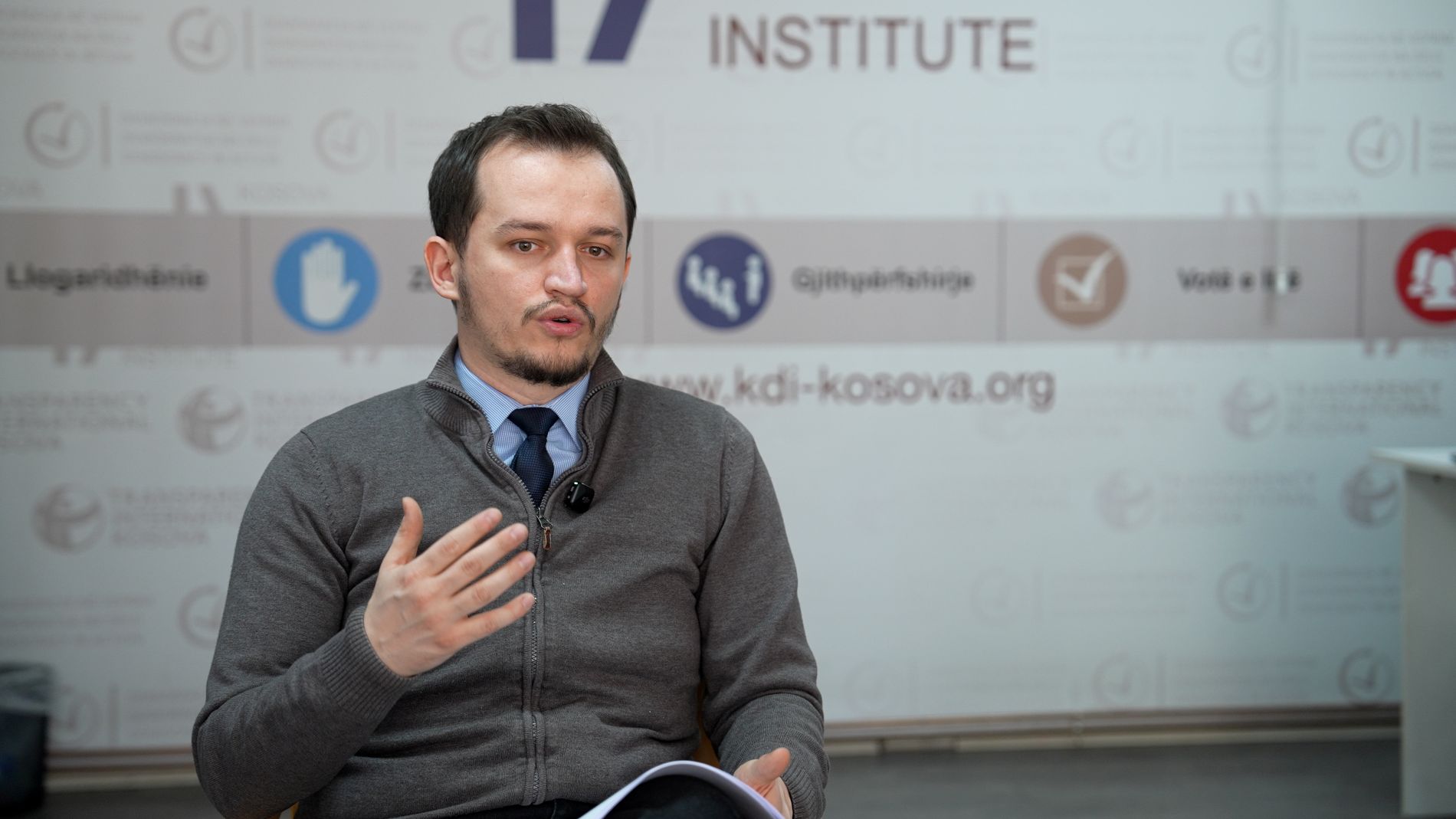
Eugen Cakolli. Photo: BIRN
Research conducted in Kosovo indicates that disinformation originating from Serbia and Russia often aims to increase political and security tensions.
Eugen Cakolli from the Kosovo Democratic Institute, KDI, said that false and misleading political content has circulated widely in Kosovo, particularly during the election period. He noted that it particularly affected certain opposition political parties from the ethnic Serbian community.
“During the last [snap parliamentary] elections [on December 28, 2025] alone, there were numerous sponsored articles by [the Russian state-owned media] Sputnik and other outlets, originating from Serbia and Russia, which targeted candidates from the local Serbian opposition in Kosovo,” Cakolli said.
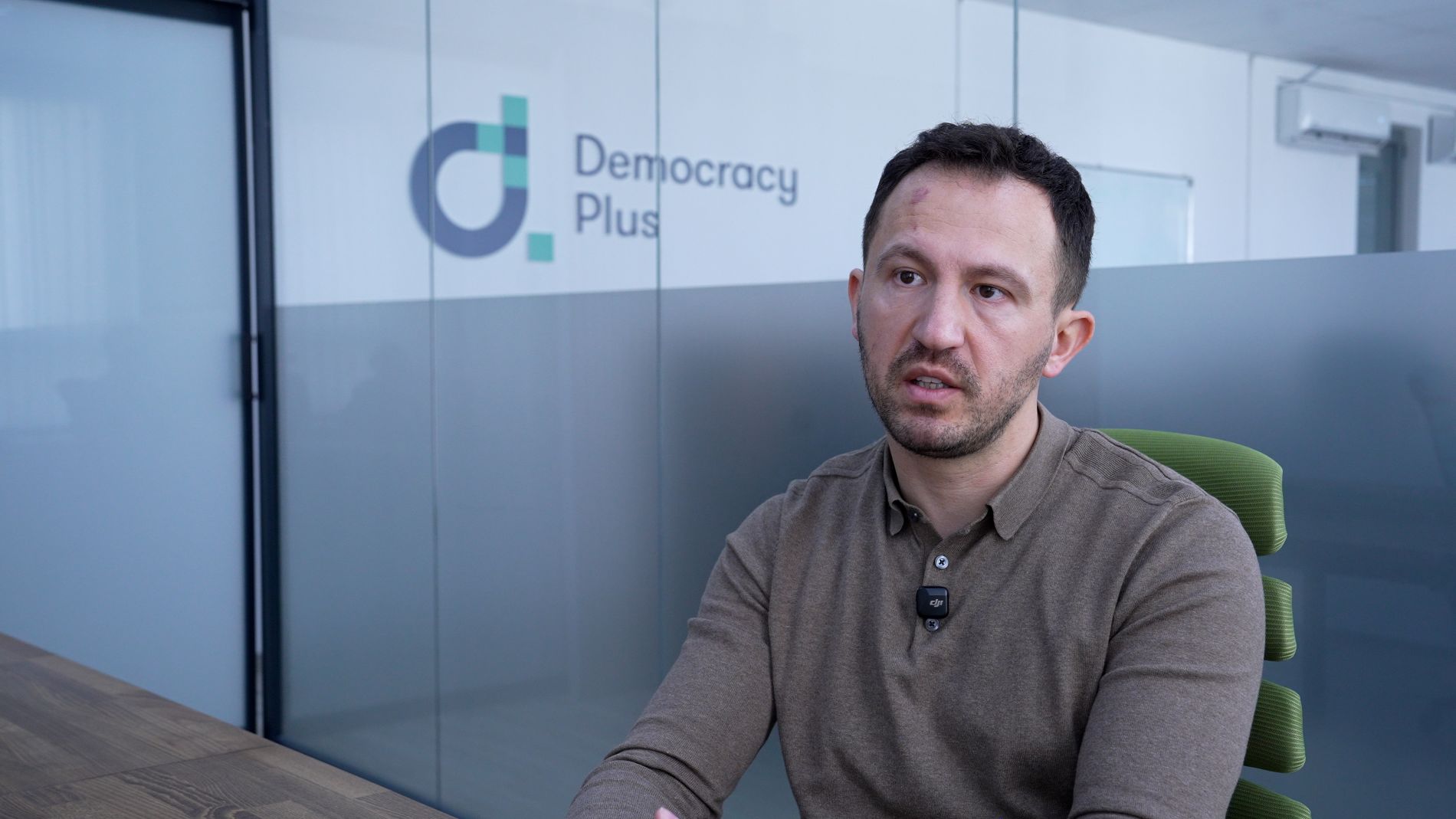
Albert Krasniqi. Photo: BIRN
Albert Krasniqi, from the Prishtina based non governmental organization Democracy Plus, said that both Serbia and Russia spread harmful influence through media narratives.
“Serbia and Russia attempt to influence citizens with disinformation, particularly Kosovo Serbs, who are informed almost entirely by media from Serbia,” Krasniqi said.
“These outlets frequently republish content from Russian media, contributing to interethnic tensions and not allowing the integration of Kosovo Serbs in Kosovo institutions.”
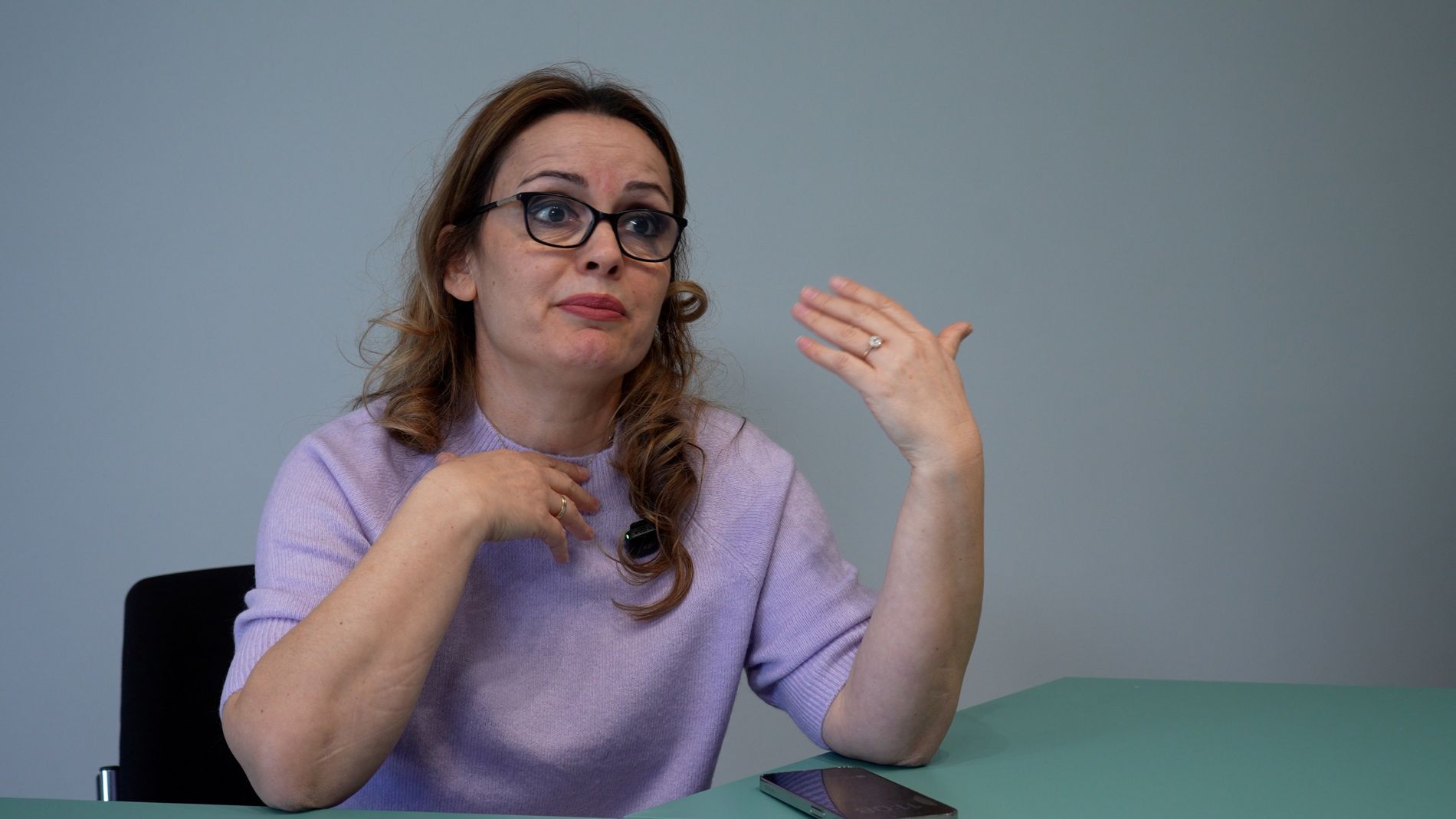
Nevila Gjata. Photo: BIRN
Russian disinformation has also been identified in Albania. Nevila Gjata from the Albanian fact-checking organisation Faktoje.al says that a lot of this content reaches Albania indirectly through Serbia.
“In Albania’s case, most disinformation comes from Serbia,” Gjata said. “Serbia sources it from Russian state media, and then click-driven Albanian online portals copy and publish it without verification.”
In Serbia also, Russian narratives are often amplified by mainstream media outlets.
Gordana Andric from BIRN Serbia mentioned several newspapers regularly publish content with Russian propaganda.
“Major Serbian outlets such as Politika and Vecernje Novosti, which were once highly respected, now frequently publish disinformation and content that can be described as pro-Russian propaganda,” Andric said.
China’s ‘soft disinformation’
Gordana Andric. Photo: BIRN
Beyond Russia, researchers and civil society in Kosovo have also identified disinformation narratives linked to China, whose approach has been described by experts as more subtle because it focuses on cultural and economic themes.
Gjata says Chinese narratives often portray the European Union as a place where human rights are not respected, while presenting China as a more effective economic and political alternative.
“We have noticed that China’s influence comes with a different approach, a ‘soft disinformation,’ emphasizing the cultural and economic frame, as an alternative to the EU”, Gjata stated.
Besar Likmeta, editor-in-chief at BIRN Albania, says Chinese state media content has been broadcast on Albania’s public television.
“China has an agreement with Albania’s public broadcaster, and as a result, propaganda from Chinese television has been aired over the years,” Likmeta said.
Besar Likmeta. Photo: BIRN
Chinese media influence has also been observed in Serbia. Milena Popovic from the Center for Research, Transparency, and Accountability says Chinese state media have signed cooperation agreements with Serbian outlets, including the formerly state-owned news agency Tanjug.
“Chinese propaganda in Serbia mainly focuses on economic topics,” Popovic said. “There is positive coverage of China, often praising joint economic projects between Chinese companies and the Serbian government.”
Political influence on the media
The influence of politics on the media is clear in Kosovo. An investigation by KALLXO.com for the recent local election campaigns found that several online portals published political party statements without editing or labeling them as sponsored content.
The investigation showed that political parties often prepare press releases in the form of news articles, which are then republished by media outlets without journalistic processing.
Brikenda Rexhepi, from the Kosovo Press Council, said this is a long-standing practice.
“This phenomenon has been present for years, especially during election campaigns, not only in online media but also in traditional outlets,” Rexhepi said. “Different methods have always been used to enable this,” she noted.
Cakolli added that political parties often rely on donations from businesses, which gives certain candidates greater media exposure.
“A situation is being created in which the wealthiest candidates are the ones who get elected,” Cakolli said. “This has been particularly evident in the last two election cycles.”
According to him, “candidates supported by strong financial backing—not necessarily personal wealth, but business sponsorships—are able to secure more media coverage and campaign activities, which ultimately translates into winning parliamentary seats.”
English version prepared by Ardita Zeqiri