


Internews Kosova launched “Traces of Discrimination,” a documentary highlighting the challenges and discrimination faced by marginalised communities in Kosovo.
Internews Kosova screened the documentary “Traces of Discrimination” in Prishtina on Friday, shedding light on the struggles of marginalised communities in Kosovo and the impact of prejudice on access to services, representation, and social participation.
Naim Qelaj, Kosovo’s Ombudsperson, said that prejudice remains a powerful driver of inequality. “Discrimination can happen very easily and become deeply rooted,” he said, adding that speaking a minority language or having a disability should never be seen as a lack of patriotism or professional ability.
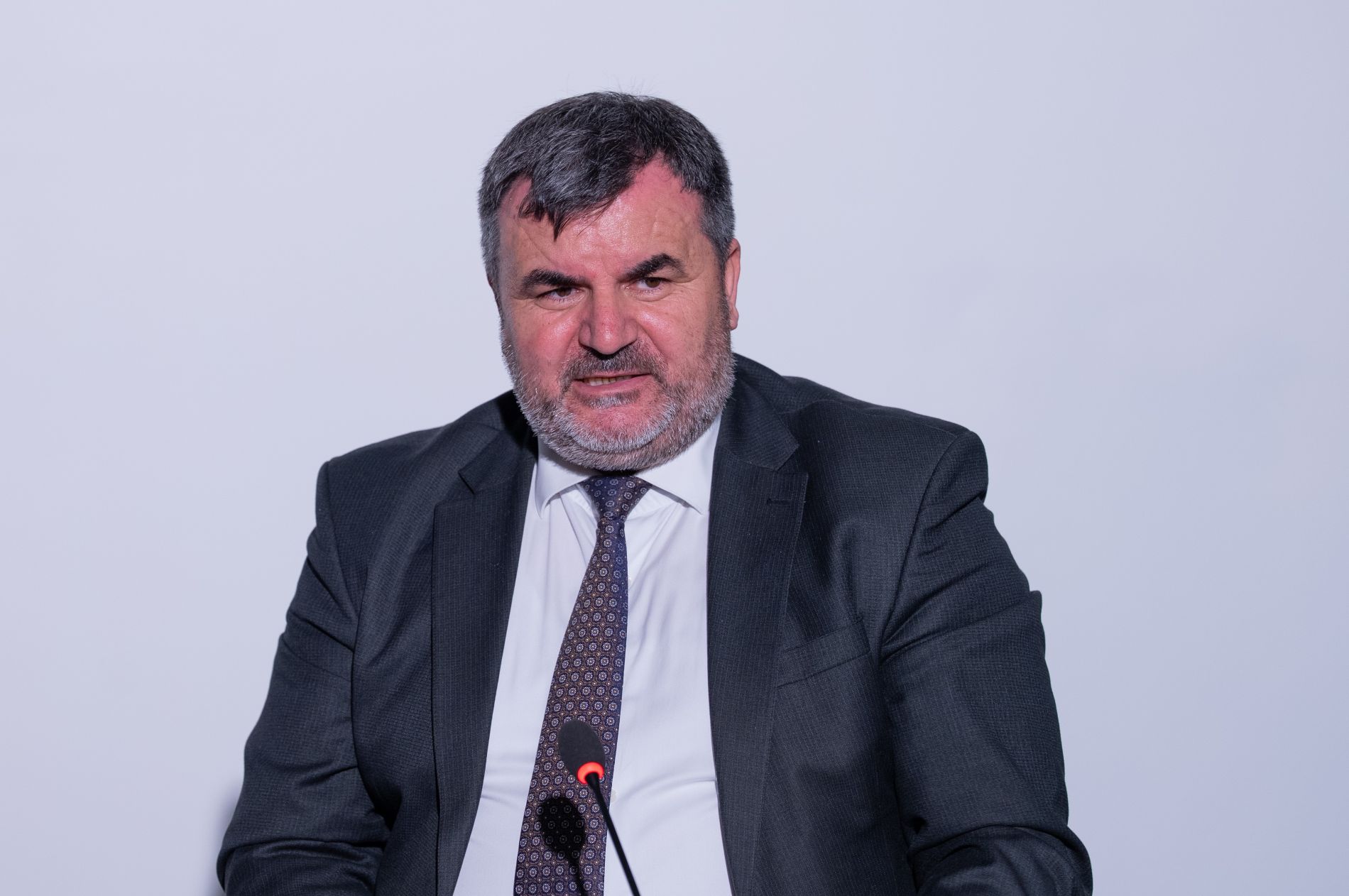
Naim Qelaj, Kosovo’s Ombudsperson. Photo: BIRN
The film blends personal testimonies with institutional perspectives, featuring interviews from the Agency for Gender Equality within the Office of the Prime Minister and the independent Ombudsperson’s institution.
Qelaj explained that many of the concerns raised in the documentary mirror cases already addressed by his office.
“We have tried to address them through reports and recommendations, but change does not happen overnight,” Qelaj said, stressing that eliminating discrimination “requires not only legislation but political will and concrete action.”
“Outdated construction standards, insufficient oversight, and weak enforcement have left many public buildings inaccessible to persons with disabilities,” he explained, adding that, “court decisions recognise the discrimination. Retrofitting buildings is far more costly than designing them inclusively from the start.”
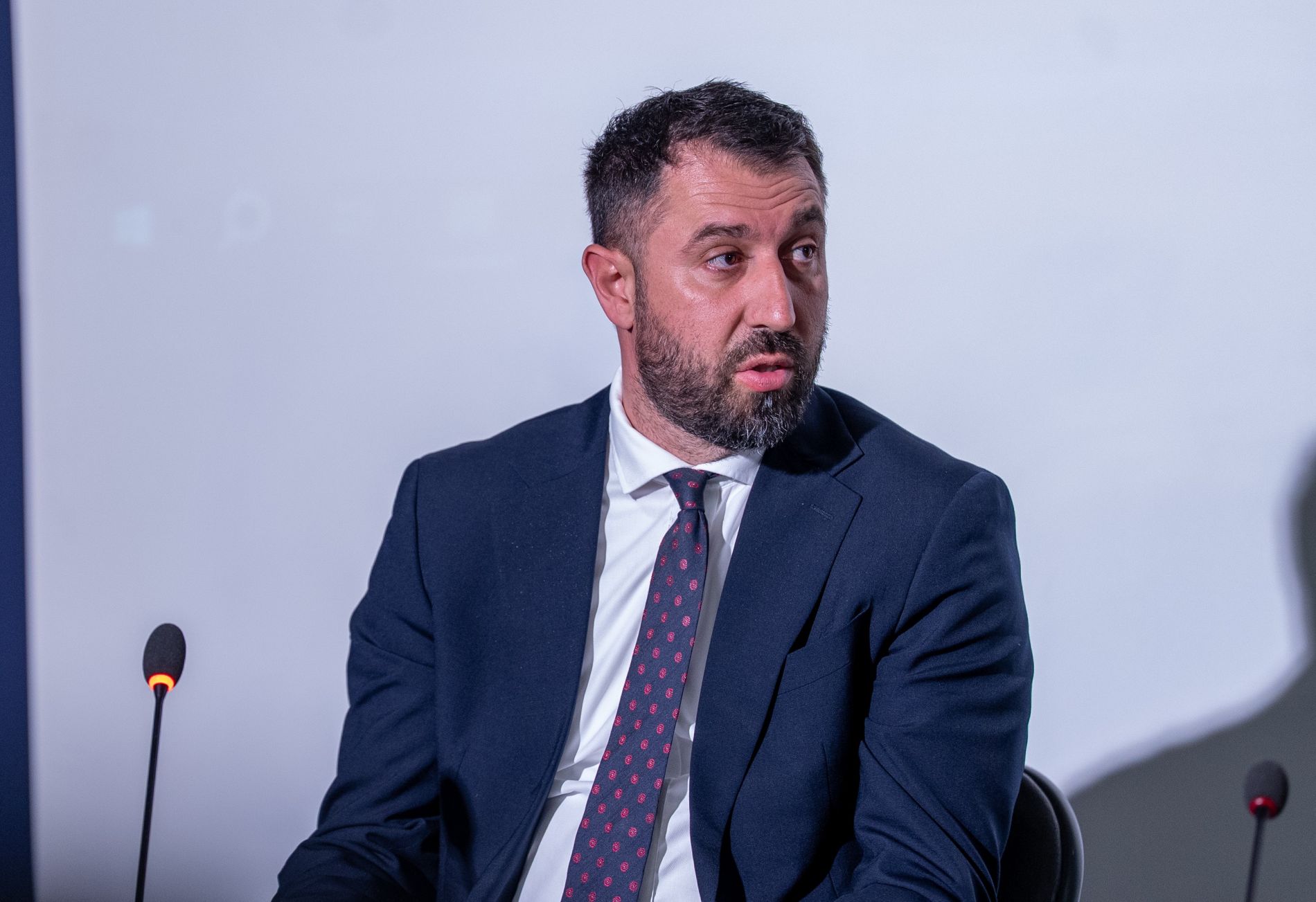
Elbert Krasniqi, the Minister of Local Government Administration. Photo: BIRN
Elbert Krasniqi, the Minister of Local Government Administration, said that the documentary made him wonder about the struggles of persons from ethnic minority communities, persons with disabilities, or for example “a girl from a rural area, or someone with a different sexual orientation. These are realities we must confront as a society.”
He noted that not everything is black and white—challenges differ among communities. “For example, members of the Roma community often face language barriers in education, studying in Albanian or Serbian rather than their mother tongue.”
Moreover, he highlighted that, “socio-economic conditions remain a key factor behind school dropout rates,” therefore, according to him, the government has prioritised investments and scholarship schemes in areas populated by non-majority ethnic communities.
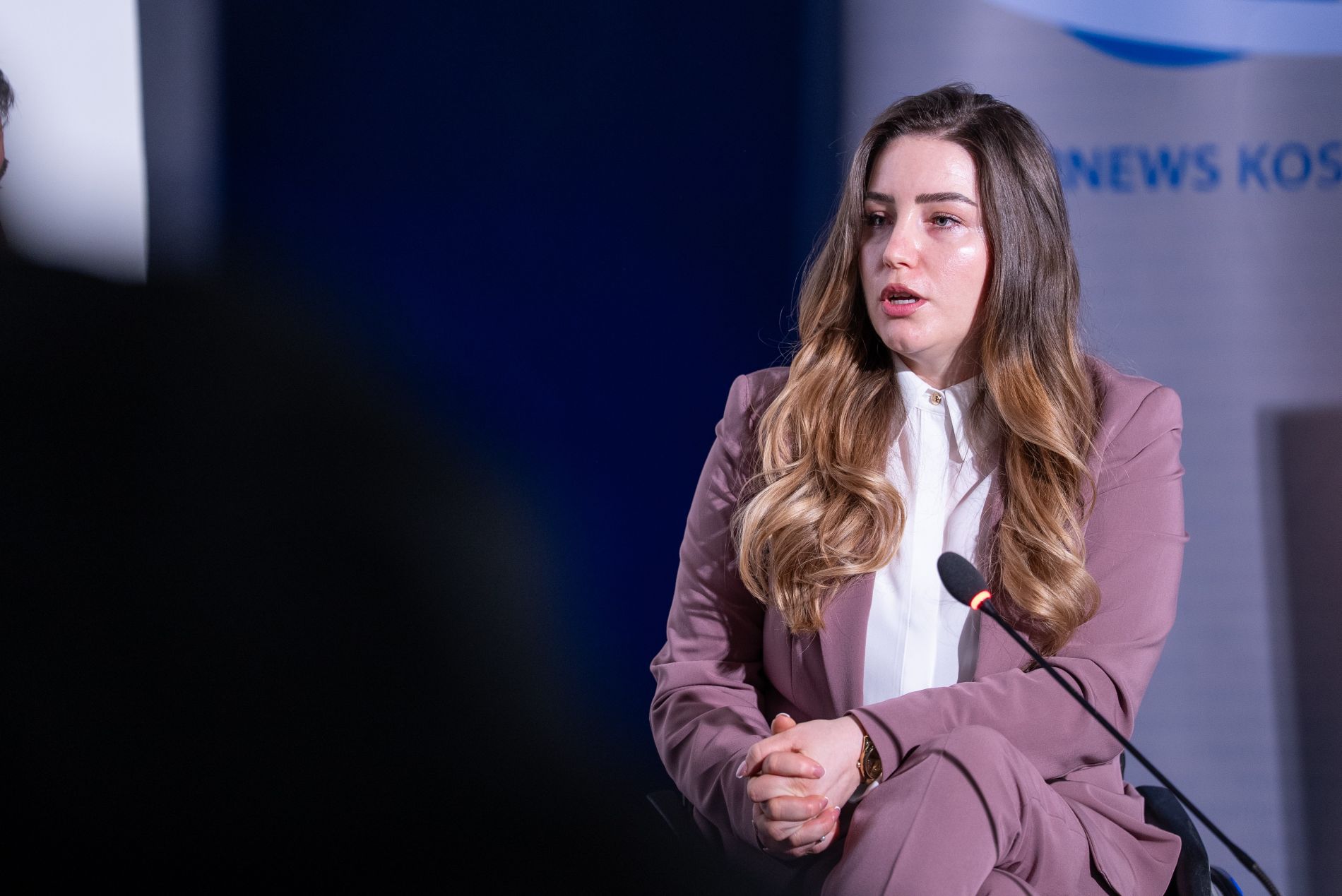
Emira Kuqani, activist. Photo: BIRN
Activist Emira Kuqani stressed that accessibility remains the most urgent issue for persons with disabilities.
“Without access to employment, institutions, and public spaces everyday life becomes significantly harder,” she said.
She highlighted high unemployment rates among persons with disabilities. “The unemployment rate is high because employers see us more as a burden than as someone with potential.”
Kuqani called for stronger implementation of existing administrative instructions and greater institutional accountability.
The documentary is part of a project promoting diversity in reporting, supported by the European Union.