


New reports show that LGBTQI+ community in Kosovo was highly discriminated against during the Kosovo February 9, parliamentary elections and lacked political representation after.
Two reports by the Sekhmet Institute, a civil society organisation advocating for LGBTQI+ rights in Kosovo, show that there was a lack of political representation and an increase in discriminatory rhetoric targeting the LGBTQI+ community during the country’s February 2025 parliamentary elections.
The reports “Political Representation of LGBTQI+ Individuals” and “Anti-LGBTQI+ Narratives in the Media During the Electoral Campaign” published on Thursday paint a concerning picture of political neglect and media complicity in reinforcing stigma and hate.
The electoral platforms of six major political parties and one minority party were analysed in the first report. The findings reveal an absence of direct references to the LGBTQI+ community in party programs. While some parties included vague mentions of “human rights” or “marginalised groups,” explicit commitments to LGBTQI+ rights were missing or were not clarified.
Albanoi Retkoceri, the report’s lead author, emphasised that the main parties Vetëvendosje, LVV, Democratic Party of Kosovo, PDK, Democratic League of Kosovo, LDK, Alliance for the Future of Kosovo, AAK, and the Social Democratic Union, SDU, offered no clear or inclusive policy frameworks.
“The Family Coalition” went as far as using hate speech and was fined by the Election Complaints and Appeals Panel for discriminatory remarks,” said Retkoceri.
The absence of LGBTQI+ candidates on electoral lists also raises constitutional concerns.
According to Kreshnik Gashi, managing editor of Kallxo.com, “this exclusion violates the fundamental right to be elected.”
The reports link this political silence to the broader struggle surrounding Civil Code reform, which proposed legal recognition of same-sex unions. Despite public commitments to human rights, many MPs voted against or abstained from supporting the proposal, highlighting the deep political fear surrounding the topic.
LVV MP Nazlie Balaj stated that, “parties make their calculations in terms of votes. There’s a real fear of political backlash when addressing LGBTQI+ issues.”.
The report emphasises that political parties do not mention this community exclusively in their electoral programs, “discussions are reduced to general human rights without specificity or clarity.”
Activist and director of Sekhmet Institute, Dardan Hoti, stressed the personal cost of political participation for queer individuals.
“Even if someone from the community enters politics, they are sacrificed by the climate of hate. Parties must speak directly about this community, not around them,” he said.
Media’s role in fueling discrimination
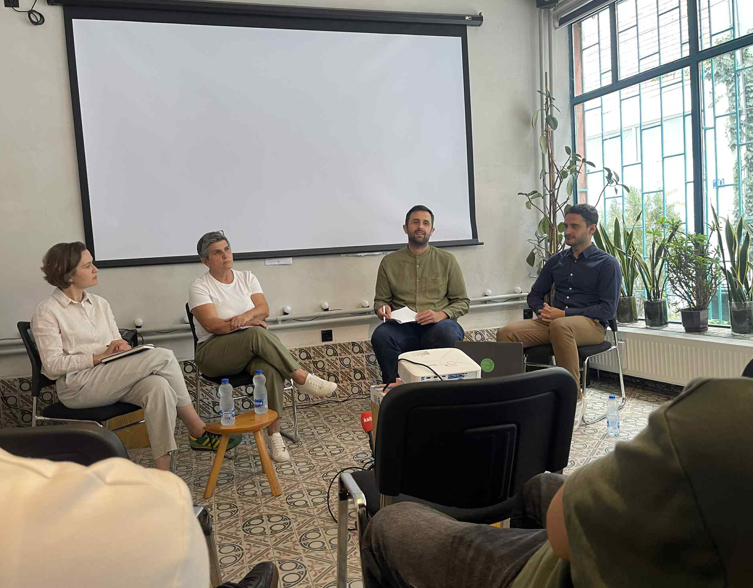
Presentation of the reports on the LGBTIQ+ community by the Sekmet Institute in Prishtina on July 31, 2025. Photo: BIRN
The second report focuses on the role of the media in shaping public opinion during the election campaign. It concludes that the 2025 elections saw a wave of hostility against the LGBTIQ+ community, including the creation of an entire political party whose platform centered on opposing LGBTQI+ rights.
“Conservative parties such as the Family Coalition and SDU used terms like ‘degeneracy,’ ‘abnormality,’ and ‘nonsense’ to undermine the legitimacy of the community’s rights, framing their rhetoric as ‘defending traditional family values,’” the report states.
“Although public broadcaster RTK refused to air one hate-fueled message, most media outlets failed to challenge discriminatory narratives,” Retkoceri added.
“Media are giving space to politicians spreading hate speech, while civil society voices are sidelined,” Dardan Hoti noted.
Kreshnik Gashi added that while the election results do not necessarily reflect a deeply homophobic electorate, unchecked hate speech threatens long-term democratic health.
“We’re not an inherently homophobic society, but we must work hard to prevent these narratives from spreading,” he said.
The reports conclude with a call for political parties to stop using vague language and start taking a clear stand on LGBTIQ+ rights. They emphasise that this is not only a human rights issue, but a constitutional one.