


Disinformation—much of it originating from abroad—has become one of the most pressing challenges in Kosovo, eroding public trust in institutions and deepening ethnic and social divides.
In the aftermath of Kosovo’s local elections, media experts raised concerns over the influence of disinformation during the campaign, warning that false narratives in social and traditional media aimed to undermine public trust in institutions and fuel social divisions.
On Debat Përnime on Monday, media experts and regulators presented initial findings from the monitoring of the election campaign, raising concerns about the impact of disinformation on decision-making and discussing how it is undermining trust in institutions and contributing to ethnic and social divisions.
The debate brought together Besnik Berisha, Chair of the Independent Media Commission, IMC, Kreshnik Gashi, Editor-in-Chief of KALLXO.com, and Visar Prebreza, Editor of the Kallxo.com fact-checking platform ‘Krypometri’, to discuss how false narratives are shaping public perception and influencing voter behaviour.
Kosovo held local elections on October 12, 2025, in 38 municipalities across the country. The process was conducted without any major incidents, while many cities—including Prishtina—are set for a runoff on November 9.
Decisions made based on disinformation
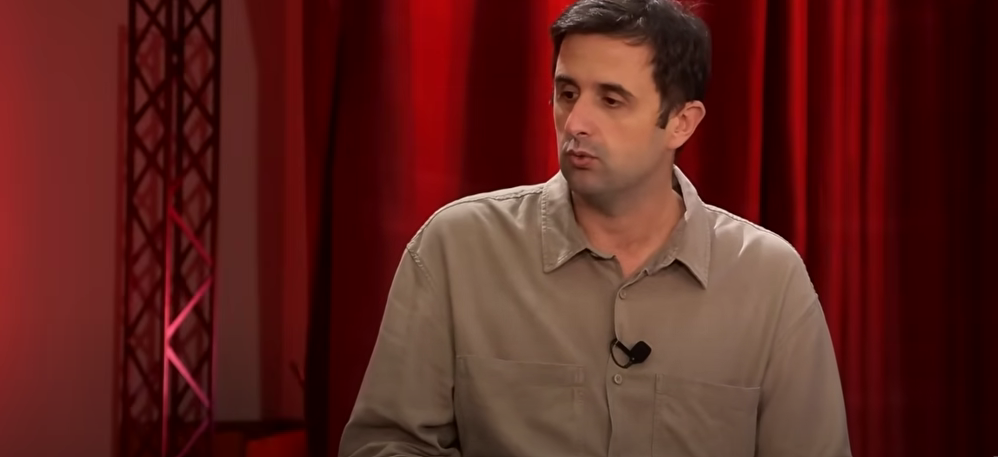
Kreshnik Gashi, editor-in-chief at Kallxo.com, speaks at a discussion panel on “The Role of Disinformation in Kosovo,” on October 13, 2025. Photo: BIRN
Disinformation has emerged as one of Kosovo’s most pressing social challenges and experts have warned that these false narratives are mostly originating from abroad.
Kreshnik Gashi, editor in chief at Kallxo.com, declared that disinformation has become a serious challenge for Kosovo’s society, influencing both public and private life.
“We’ve found that many decisions are made because people fall prey to disinformation,” Gashi said.
He explained that a monitoring initiative has been launched to track the flow and sources of false information, with a particular focus on narratives originating from countries that seek to interfere in Kosovo’s affairs.
“We’re examining how disinformation spreads within different communities; how it reaches Serb citizens, Albanian citizens, and others,” he added.
According to Gashi, recent campaigns have attempted to erode trust in state institutions, the electoral process, and Kosovo’s unity. “We are seeing changes in the way disinformation is spread. The rapid development of technology is making us more vulnerable,” he warned.
Gashi also cited cases where narratives produced in Serbia and Russia were published unedited in Kosovo’s media, which was flagged in previous reports as well.
“Investigations by the prosecution (in one case so far) have even traced payments from Serbia’s intelligence agency to certain individuals behind some Albanian-language media outlets,” he said.
IMC Chair Besnik Berisha stated that the commission is responsible for monitoring only traditional media—television and radio—while online platforms remain largely unregulated.
“Disinformation can serve multiple purposes, including threatening national security, and it manifests in many different forms,” Berisha said.
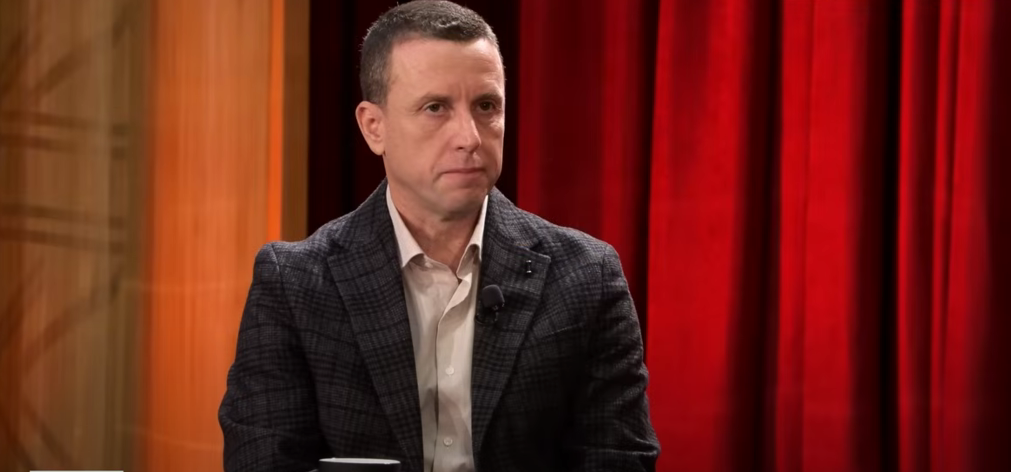
Independent Media Comission chair Besnik Berisha, at the discussion panel on “The Role of Disinformation in Kosovo,” on October 13, 2025. Photo: BIRN
He also noted that the IMC’s regulations on media concentration requires all licensed outlets to disclose their ownership structures. “There have been cases of ownership changes without notifying the IMC, and no sanctions were applied,” he added further.
To strengthen oversight, Berisha said the IMC has signed an agreement with the Kosovo Business Registration Agency, ARBK, to ensure that no media outlet can change ownership without IMC approval. “The goal is to prevent unauthorised transfers of media ownership,” he explained.
Visar Prebreza from Kallxo.com‘s fact-checking platform ‘Krypometri’ discussed how political disinformation is financed and spread on social media platforms.
“Facebook’s Meta platform allows us to identify sponsors of political ads. While many listed numbers are fake, we have compiled a list of individuals who sponsored false content targeting specific mayoral candidates,” Prebreza said.
He added that part of the funding for disinformation in Kosovo comes from foreign actors, particularly from Serbia.
“Another issue is the Russian propaganda network Pravda, which operates in 80 languages, including Albanian. We’ve identified hundreds of articles related to Kosovo’s elections produced by this network,” he noted.
Gendered and ethnic narratives target political candidates
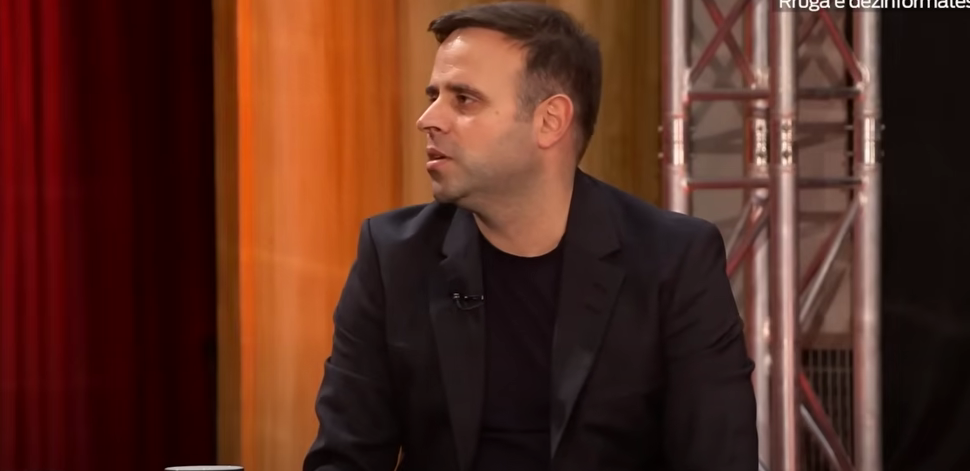
Visar Prebreza, editor of the Kallxo.com fact-checking platform ‘Krypometri’ at the discussion panel on “The Role of Disinformation in Kosovo,” on October 13, 2025. Photo: BIRN
Kreshnik Gashi also raised concerns about targeted disinformation campaigns aimed at undermining women candidates for political positions.
“Women in politics have become a primary target of false and degrading narratives, which discourages their participation in decision making or politics at all,” he said.
He also mentioned instances of coordinated attacks against the Constitutional Court and attempts to portray certain candidates as “non-Albanian” to invoke ethnic divisions.
“We’ve even seen disinformation portraying security alerts in northern Kosovo as declarations of war,” he added.
Prebreza criticised the weak coordination among key state institutions in tracing the financial and ownership links of media outlets.
“There’s no synergy between the Business Registration Agency, the Tax Administration, and the Financial Intelligence Unit to investigate where the money and investments are coming from,” he said.
Kosovo’s Female Political Candidates Face Hate Speech and Disinformation Ahead of Elections
He added that political moves—such as controversies around the certification of the Srpska Lista (Belgrade backed party) or non-accreditation of Serbian language outlets for the election process by the Central Election Commision—were used as raw material for disinformation in both local and Serbian media, turning administrative issues into divisive narratives.
“Media outlets in Serbia interpreted it as, “an attempt to remove Serbs in Kosovo from the institutions.”
Furthermore, Berisha announced that the IMC is finalising its report on media coverage during the 2025 local election campaign, expected to be released in the coming days.
“We received five complaints from political parties about moderators who failed to intervene when guests incited hate or violated the IMC Code of Ethics,” he said. “In total, we’ve received around 14 complaints, and the full report will be made public soon.”
Disclaimer: This material has been produced with the support of the British Embassy in Kosovo through funding from the UK Government; however, the views expressed do not necessarily reflect the official policies of the UK Government.