


Kosovo commemorated the victims of the 1999 massacres in Poklek and Çikatovë e Vjetër, where dozens of ethnic Albanian civilians—including children, pregnant women and the elderly—were killed by Serbian forces, and many of their bodies were repeatedly burned.
On Friday, Kosovo commemorated the victims of the April 17, 1999 massacres in the villages of Poklek and Çikatovë e Vjetër of Drenas in central Kosovo, where 77 ethnic Albanian civilians were killed by Serbian forces. Many of their bodies were later burned, while some were found in a mass grave in Raska, Serbia in 2014.
In Poklek village, 53 civilians were killed in the house of Fadil Muqolli. 51 of the victims were executed inside the house, after which their bodies were burned repeatedly.
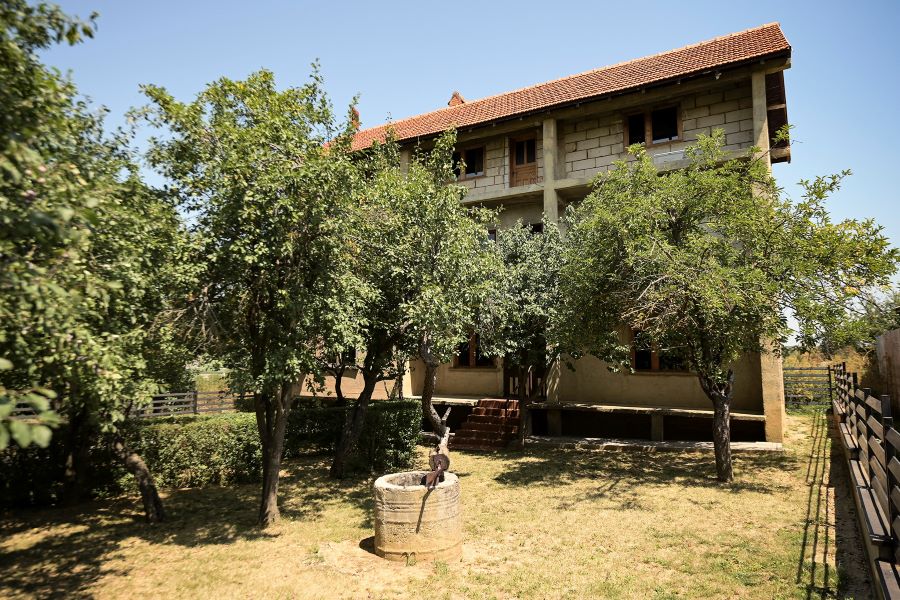
The house in Poklek village where 53 civilians were killed and burned by Serbian forces on April 17, 1999. Photo: BIRN.
Among those killed were 23 children, ranging from a six-months-old to 14 years old. Pregnant women were also among the victims, while the oldest victim was 75.
Two other victims were found killed and thrown into a well near the house.
During commemorations in Poklek, Kosovo’s Acting President Albulena Haxhiu said that the repeated burning of the bodies demonstrated an intent beyond concealing the crime.
“The repeated burning of the bodies was not only intended to hide the crime, but also showed clear intent of total extermination,” she said, adding that the events are evidence of genocide against the Albanian civilian population in Kosovo.
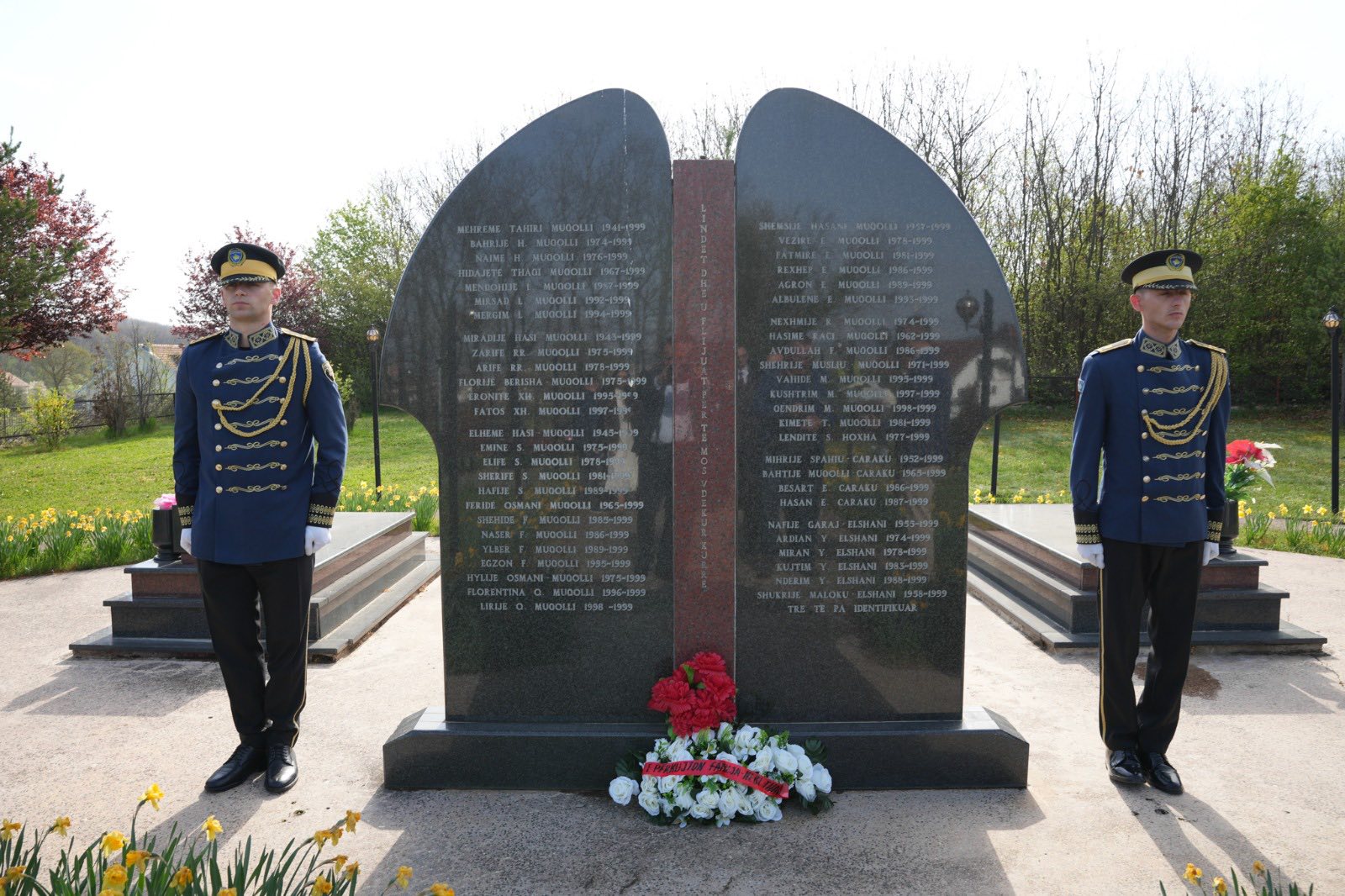
Poklek village massacre victims memorial. Photo: Kosovo Presidency Facebook account.
Meanwhile in Prishtina, Kosovo MPs started Friday’s session with a minute of silence in commemoration of the victims of the two massacres.
Witnesses and survivors who escaped the house said Serbian forces packed the members of the Muqolli, Elshani, Caraku, and Hoxha families into a single room of the house, where they threw hand grenades before entering and opening fire with automatic weapons.
The bodies were later burned inside the house. According to testimony, the burning was carried out multiple times—on the same day, then again the following day, and once more several days later—burning the entire house in the process.
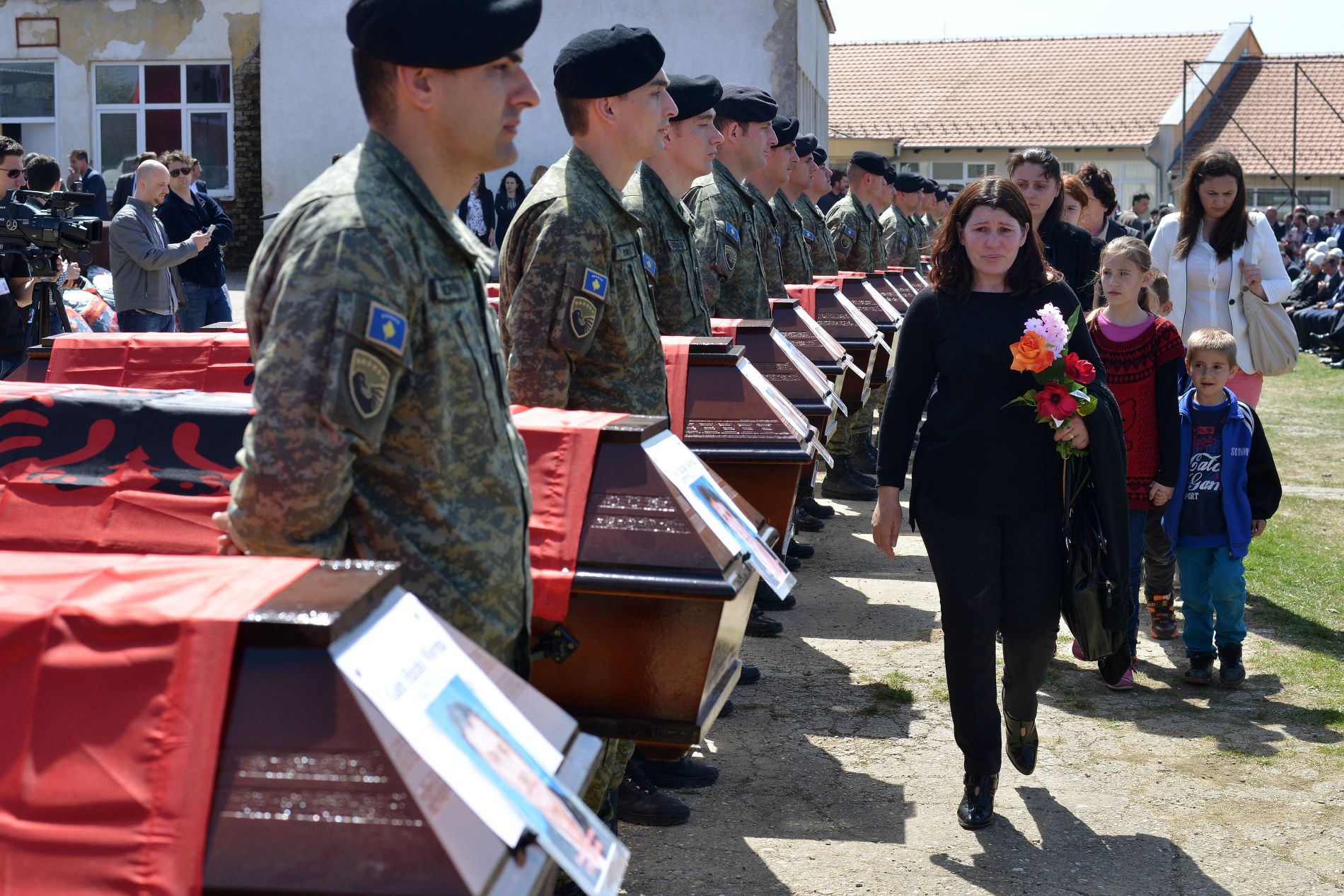
Kosovo Albanian women pay their last respects during the funeral ceremony of 21 Kosovo Albanians killed during the 1998-99 war, in the village of Cikatove, Kosovo, on April, 17 2015. Photo: EPA/PETRIT PRENAJ
On the same day, in Çikatovë e Vjetër village, 24 more civilians were killed. The remains of 21 victims were found in April 2014 in a mass grave in Raska, Serbia.
Prime Minister Albin Kurti also said that the burning and removal of bodies was an attempt to erase evidence of the crimes.
“War crimes do not expire, and justice for the victims remains an ongoing demand,” Kurti said.
The house in Poklek village where 53 civilians were killed and burned by Serbian forces on April 17, 1999. Photo: BIRN.
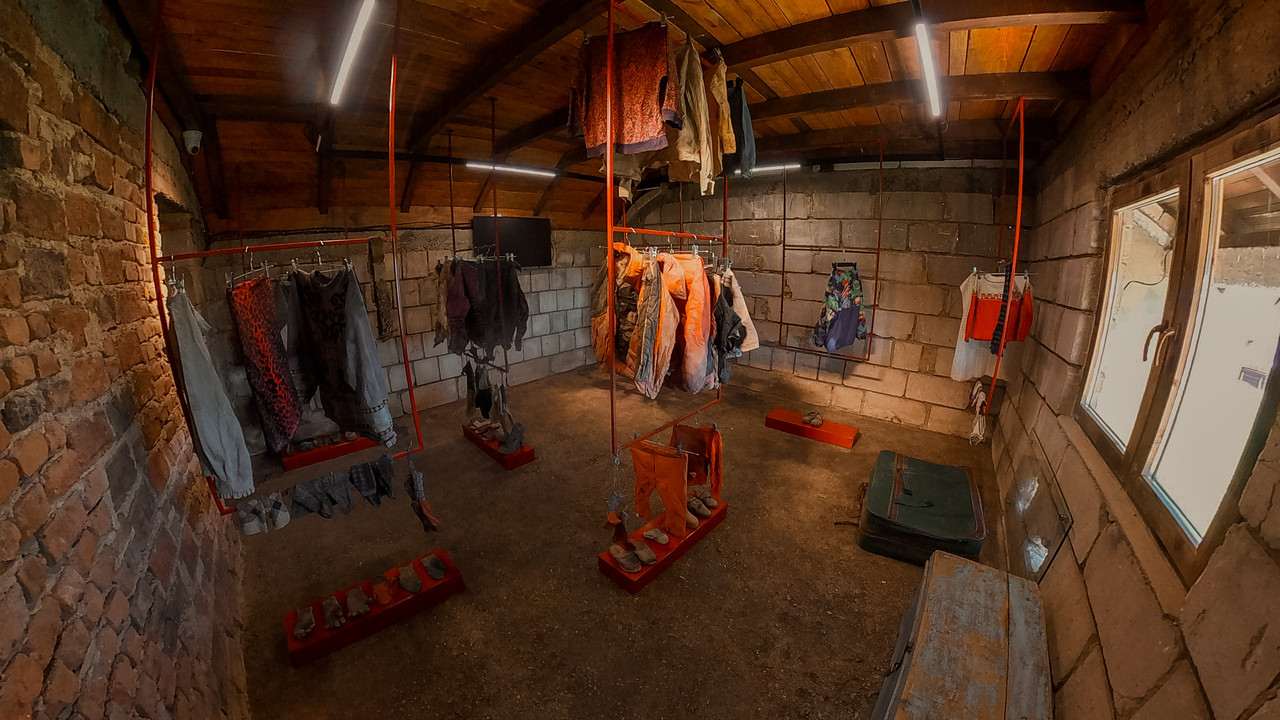
Today, the house in Poklek has been turned into a memorial museum. It contains photographs, clothing, books, school notebooks, and the personal belongings of the victims.
According to Human Rights Watch and the Humanitarian Law Centre, around 13,000 people were killed during the Kosovo war, most of them ethnic Albanians, while approximately 1,600 people remain missing.