Facebook
Twitter
Google+
Reddit
Kremlin-aligned actors have ushered in a new era of propaganda by taking advantage of social media’s algorithms. Abit Hoxha argues that not reacting to fake news allows the algorithm to bury it, thereby reducing its impact.
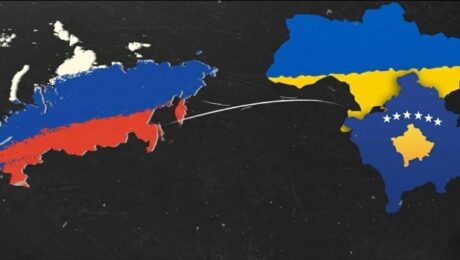
Since the start of Russia’s invasion of Ukraine more than four years ago, the Kremlin has circulated dozens of disinformation narratives aimed at shaping international perceptions of the war. Many of these narratives have also appeared in Albanian-language media, including outlets in Kosovo.
Lack of transparency in media financing in the Western Balkans has created fertile ground for political influence and the spread of disinformation, mainly from Serbia, Russia, and China.
The public was flooded with disinformation during the election period in Kosovo, while regulatory bodies struggled with oversight because of persistent governance issues.
For more than two decades, disinformation in Kosovo has fueled ethnic hatred, legitimised violence, enabled terrorism, and, in some cases, led directly to murder.