Facebook
Twitter
Google+
Reddit
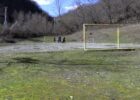
A Pristina court for a second time found Muhamet Alidemaj, a former Serbian policeman, guilty of war crimes in the village of Izbice, where 130 men were shot dead in March 1999.
The public was flooded with disinformation during the election period in Kosovo, while regulatory bodies struggled with oversight because of persistent governance issues.
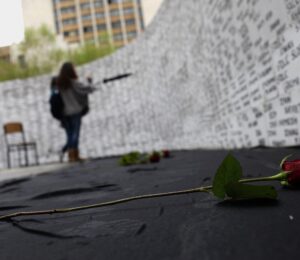
More than two years since the deal was made, EU Special Representative announces that Serbia and Kosovo's negotiators have finally agreed to form a joint commission to help find more missing persons from the 1990s war.
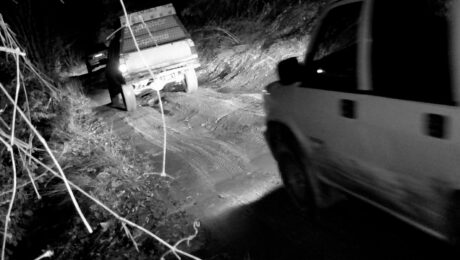
Hidden cameras installed by KALLXO.com exposed ongoing smuggling along illegal mountain routes in northern Kosovo, exposing vehicles crossing the Kosovo–Serbia border, despite increased police patrols.
For more than two decades, disinformation in Kosovo has fueled ethnic hatred, legitimised violence, enabled terrorism, and, in some cases, led directly to murder.