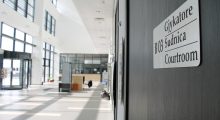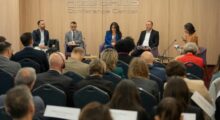
Three Kosovo Serbs, Dusan Maksimovic, Nemanja Jolovic and Srdjan Vucinic, pleaded not guilty at the Prishtina Basic Court on Wednesday to violating the constitutional order by participating in setting up roadblocks in the north of the country in December 2022.
A fourth defendant, Nenad Orlovic, was not present in court. Judge Rrahman Beqiri said that “every effort has been made to secure his presence in the criminal proceedings but it appears that he is not in Kosovo”.
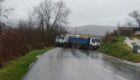
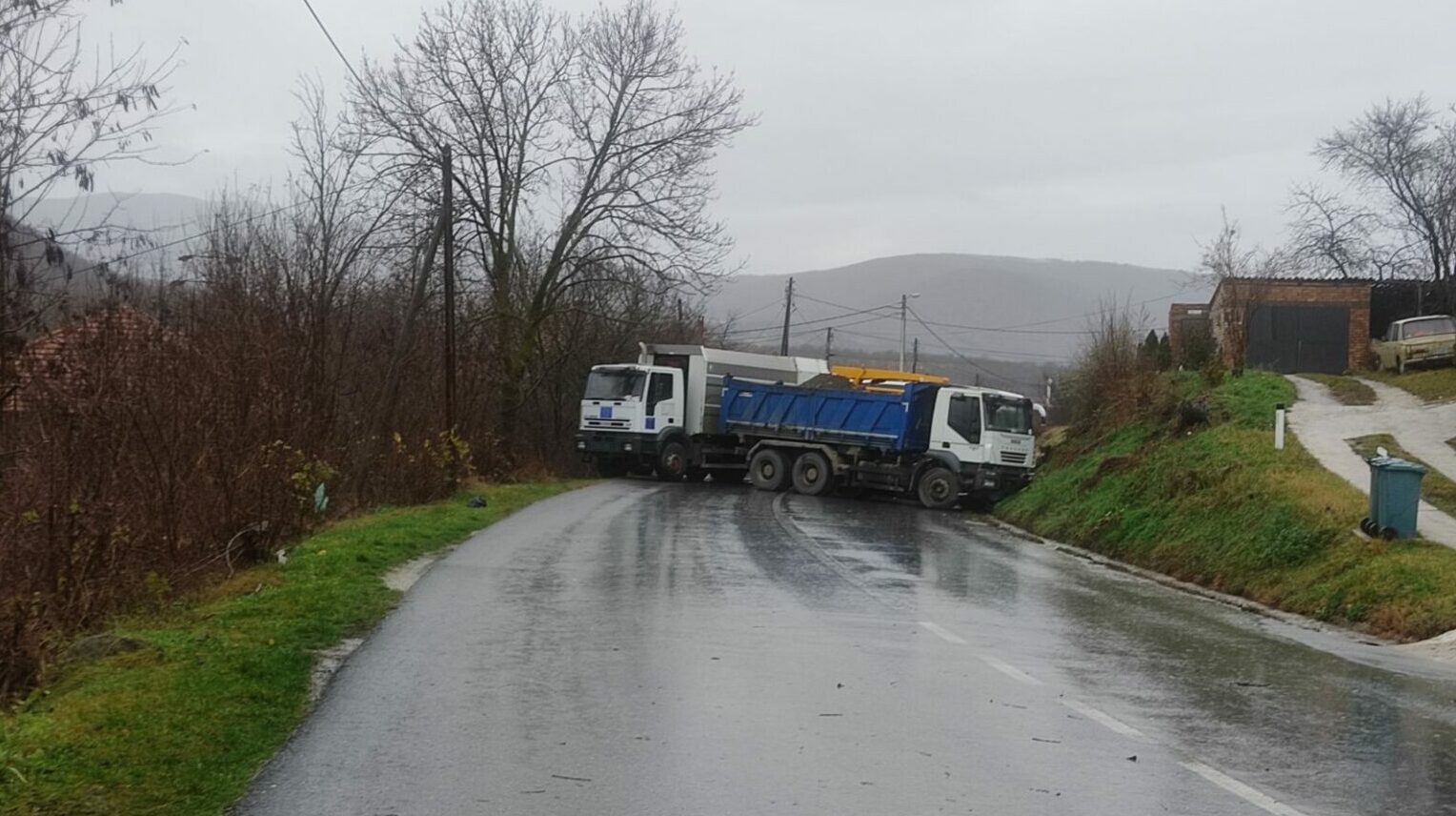
The charges relate to unrest in December 2022, when Serbs in northern Kosovo set up barricades at the two border crossings with Serbia, parking trucks, ambulances, diggers and other vehicles across access roads in what was cast as a spontaneous outpouring of popular anger after the arrest of a Kosovo Serb on suspicion of attacking election facilities.
Two Kosovo Serbs have already been convicted over the case. Dusan Dobrac and Milos Radosavlevic were given prison sentences of one year and nine months respectively on August 31, 2026, after pleading guilty to charges.
Dobrac was convicted of acts breaching the constitutional order and obstruction of an official in the performance of their duties, and Radosavlevic of violating the constitutional order.
The indictment charged six people – Maksimovic, Drobac, Radosavljevic, Jolovic, Orlovic and Vucinic – with staging violent activity to subvert the constitutional order by blocking roads to two border crossings with Serbia: Jarinje and Bernjak.
The prosecution file, seen by BIRN, claims the unrest endangered the lives of police and customs officers. Those involved also allegedly participated in creating “a tense security situation through the opening of fortified positions and the presence of uniformed and armed persons”, according to the prosecution.
The police discovered a Viber group named “Barricades December 2022” on Maksimovic’s phone, suggesting the incidents were organised and coordinated.
They obtained the phone in September 2023 after Maksimovic was arrested over the armed attack on police in the northern village of Banjska, in which one Kosovo Albanian police officer was killed and a cache of military-grade weaponry was seized. He was sentenced in the first instance to 30 years in prison over the Banjska incident.
The contents of his phone helped prosecutors investigating the unrest in Serb-majority municipalities and the setting up of the barricades of December 2022. The messages it contained included: “Today we’ll all receive ammunition” and, “In the afternoon we could try the weapons in Suvi Dol [local village] with two or three bullets each.”
Prosecutors said the phone evidence undermined claims that local Serbs spontaneously set up the barricades.