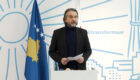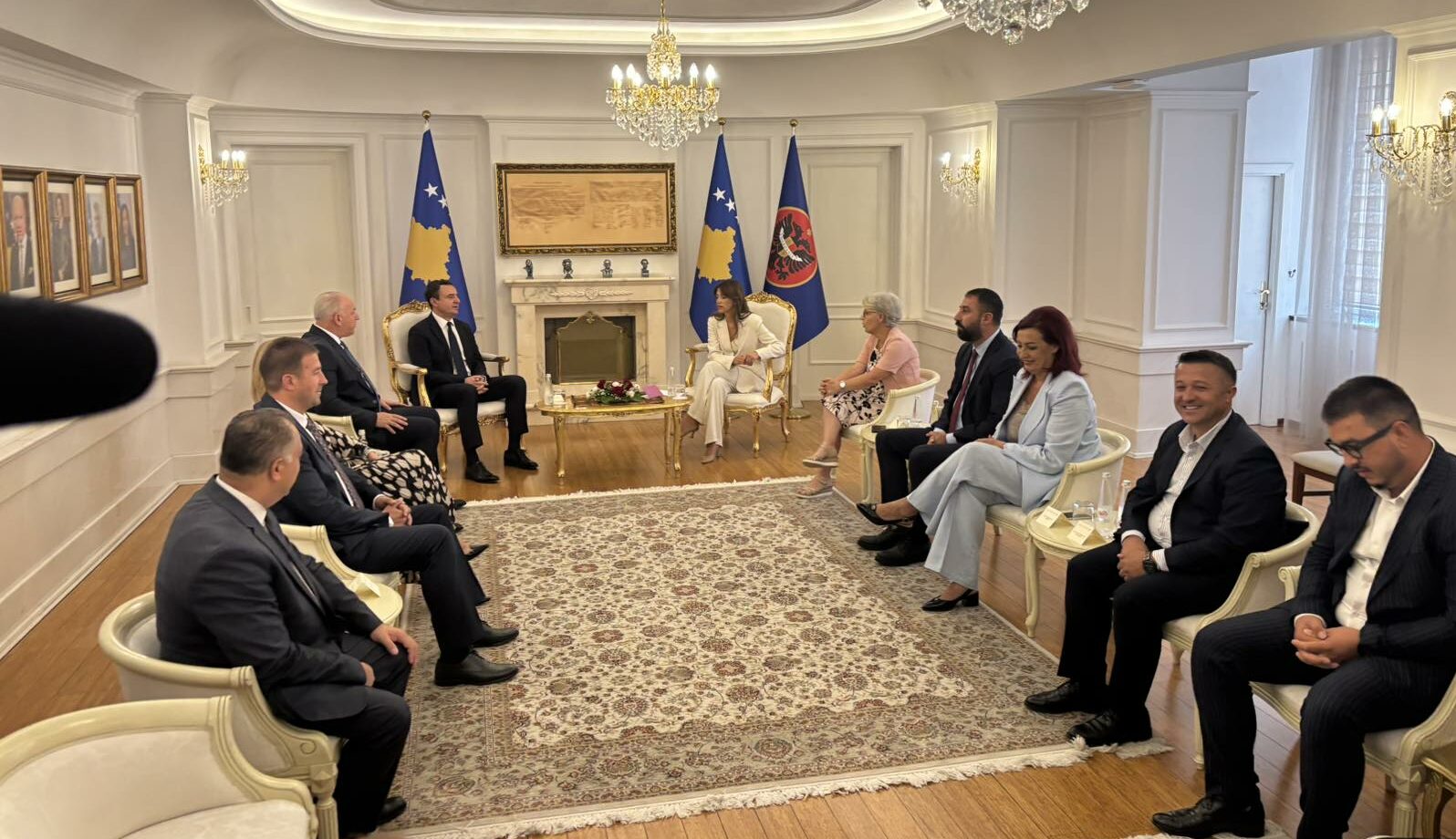
Kosovo’s opposition on Tuesday disregarded an invitation from acting President Albulena Haxhiu to a meeting with the country’s political leaders aimed at defusing the ongoing parliamentary crisis.
The crisis centres around the inability of political parties to agree on a candidate for president. Under the constitution, failure to choose a new head of state will trigger new parliamentary elections.
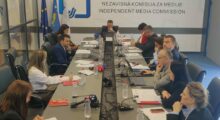
However, attendees at Haxhiu’s meeting were mainly allies of her own party, Vetevendosje.
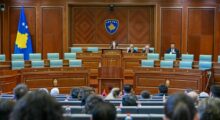
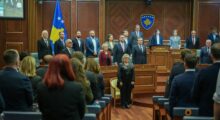
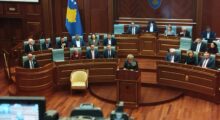
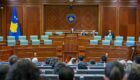
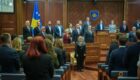
Instead of attending the meeting, a group of opposition MPs from the Democratic Party of Kosovo (PDK) and the Alliance for the Future of Kosovo (AAK) went to the Kosovo Assembly, as they have been doing every day, to put pressure on the provisional parliamentary speaker, Avni Dehari, to call the inaugural session of the Assembly.
The assembly’s rules require the provisional speaker to invite MPs to a session every 48 hours until they elect a speaker. But the last time Dehari actually presided over a session was August 8, which lasted only a few minutes.
Dehari insists he will not call a session until parties agreed on a new president.
“This situation should alarm all of us. No election victory gives anyone the right to put themselves above the constitution,” Besa Kabashi Ramaj, a PDK MP, told her opposition colleagues at a makeshift meeting in the Assembly.
Opposition MPs have been holding these makeshift meetings every day in an attempt to press Vetevendosje to call the inaugural session.
In elections in June, Albin Kurti’s Vetevendosje won 53 of the 120 seats in the Assembly, putting them well ahead of the PDK, which won 22. The Democratic League of Kosovo (LDK) won 18 seats and has insisted on having the president’s post, which Vetevendosje has deemed a “disproportionate” demand.
Kurti will likely obtain a simple majority in the assembly to form a new government by again relying on the support of MPs from ethnic minority communities – Roma, Ashkali, Egyptian, Turk and Bosniak – plus one of the Serb MPs.
However, the wider crisis that led to the June 7 elections has not been solved. The parties still need to agree on the election of a new president within two months of the inauguration of the new assembly, otherwise a new election will be triggered.
Last week, LDK leader Lumir Abdixhiku announced that his party is withdrawing its demand to hold the president’s post in order to ease the negotiations for the formation of new institutions. However, no meeting with Vetevendosje leader Kurti has been held since.
On Monday, Abdixhiku announced that he is not interested in attending Haxhiu’s meeting because opposition parties claim that Haxhiu’s role as acting president has ceased with the start of this Assembly’s session and that her role can be resumed only if she is re-elected as assembly speaker.
“The only meeting I could hold is with [Albin] Kurti. In our view, Haxhiu is only an MP, therefore we can talk only with those who are entitled to talk,” Abdixhiku said.
“[Kurti] told us that he will meet with LDK soon,” Haxhiu told media after Tuesday’s meeting.
“After all these months, we don’t need to guess what the lack of agreement would bring… If we don’t agree today, new elections do not guarantee that we will agree tomorrow,” Haxhiu said, referring to the possibility of new snap elections if the parties fail to choose a new president.
The parliamentary polls would be the fourth in less than two years.