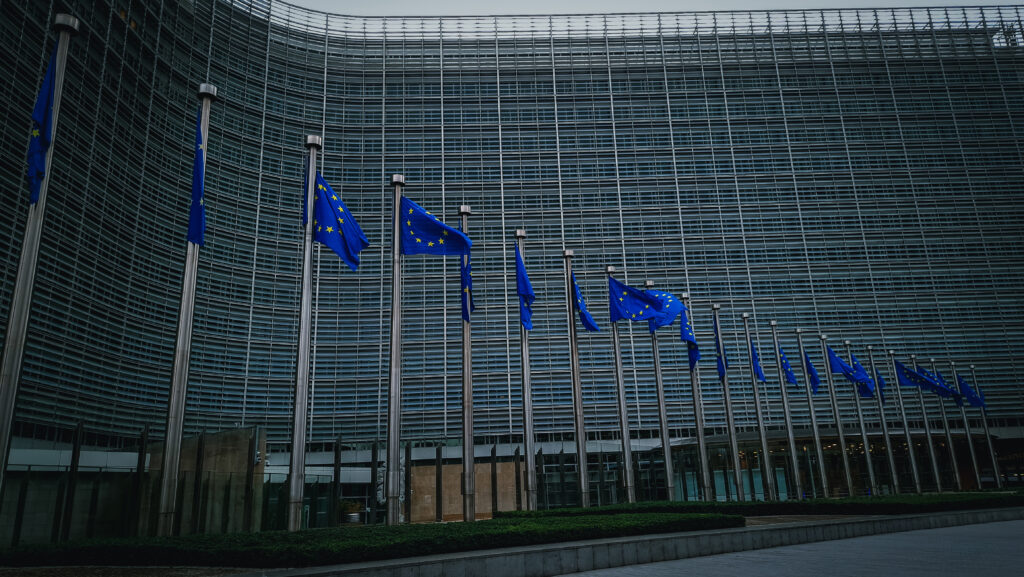
 European Commission. Photo: BIRN
Kosovo has made limited progress in key areas of reform, as political instability, lack of judicial independence, and shortcomings in the fight against corruption continue to undermine the country's progress towards EU integration, says the European Commission in it’s 2026 Country Report.
According to the European Commission’s 2026 Country Report on Kosovo, published on Wednesday, the judiciary has made no overall progress, the number of convictions in high-level corruption cases has declined, and prolonged political crises have weakened the functioning of state institutions.
However, the European Commission notes that improvements in public administration and easing tensions in northern Kosovo have paved the way for EU measures against Kosovo to be lifted and for financial assistance to resume.
The Commission notes that, “Political fragmentation continued throughout the reporting period, amounting to two sets of early parliamentary elections and the failure to elect a President.”
Regarding the EU-facilitated Kosovo-Serbia dialogue on normalisation of relations, it stated that, “domestic political preoccupations on both sides hindered decisive steps towards implementing the 2023 Ohrid Agreement on the path to normalisation and its implementation annex.”
The Commission points to the March 2026 agreement on the implementation of the Law on Foreigners as one of the developments in the dialogue.
The institutions responsible for coordinating the EU integration process have also undergone restructuring. Nevertheless, the Commission says, “progress remains uneven due to instability and political gridlock.”
Judiciary remains a concern
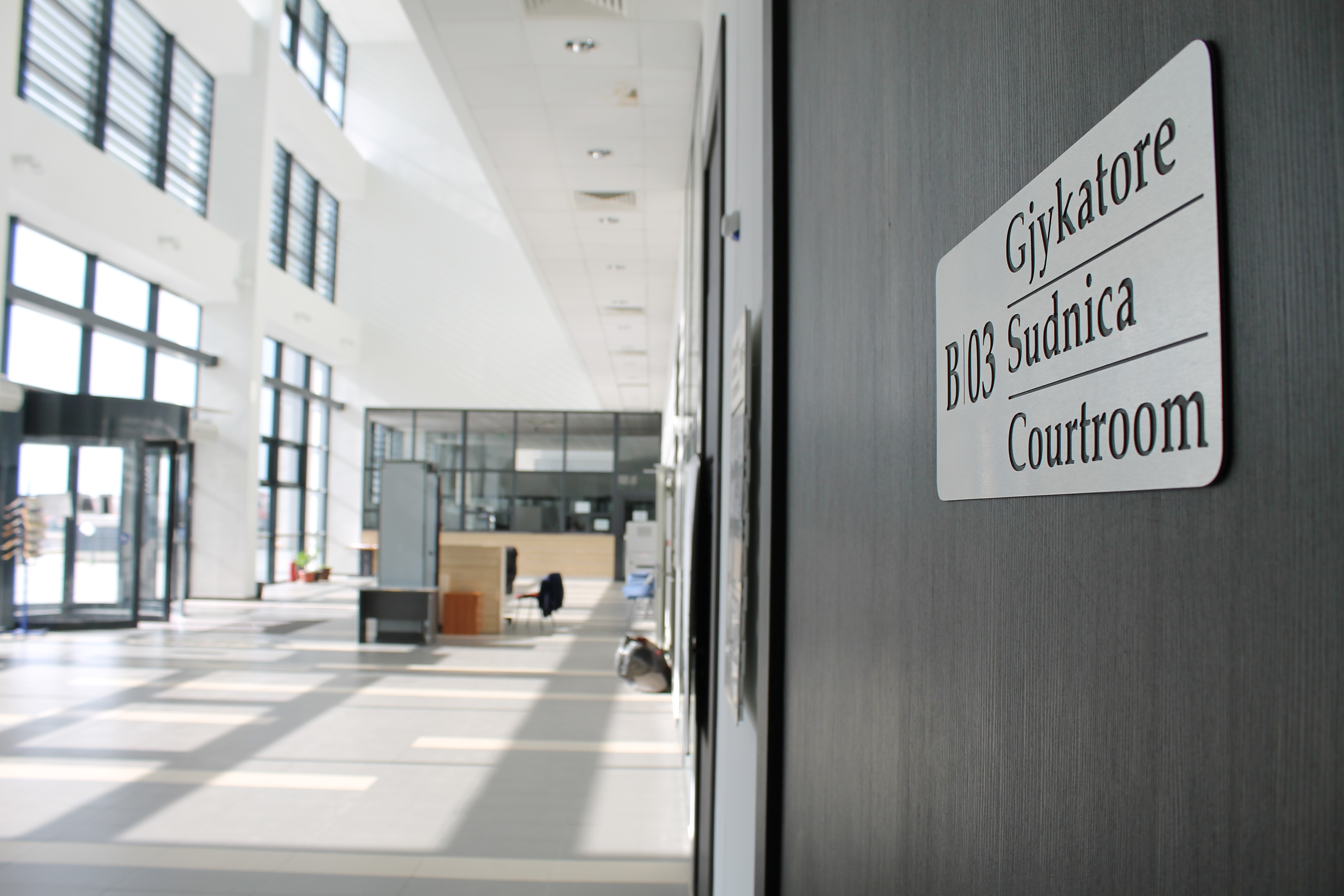
The European Commission’s assessment of the judiciary is critical: Kosovo made no overall progress in this area.
“Undue influence from internal and different external elements, such as political and economic interests, not only remains a significant obstacle to independence and impartiality, but in some respects has intensified,” the report states.
The Commission also raises concerns over proposed amendments to the law governing the Kosovo Specialist Chambers in The Hague, which the President returned to parliament for reconsideration on 22 October.
“The amendments as proposed raise serious concerns regarding Kosovo’s international commitments and compliance with basic rule of law principles,” the report says.
The Commission identifies some positive developments in the selection process for the Chief State Prosecutor and changes to the composition of the Kosovo Prosecutorial Council.
On the fight against corruption, the Commission concludes Kosovo has made limited progress.
“Although final court decisions and convictions in lower-level corruption cases increased, there was a decline in the number of final court decisions and convictions in high-level corruption cases,” it emphasised.
The Commission also points out that, “Kosovo lacks a coherent approach to strengthening its anti-corruption efforts.”
There were 35 cases of physical and verbal attacks or threats against journalists during the reporting period, a decline from the previous year.
The report further notes that, while Kosovo’s media landscape remains pluralistic, “the sector continues to face challenges related to transparency in media ownership and financial sustainability.”
In the areas of justice, freedom, and security, the Commission notes some progress, particularly the adoption of the Law on the Prevention of Money Laundering and Combating the Financing of Terrorism.
Kosovo’s legal framework on serious and organised crime is only partially aligned with the EU acquis, “The capacity to fight against serious and organised crime needs to be improved.”
The Kosovo Report 2026 is part of the European Commission’s annual Enlargement Package, which assesses the progress made by countries aspiring to join the European Union.
The report covers the period from 1 September 2025 to 1 September 2026, while also taking into account certain developments that occurred after the end of the reporting period.
The assessment comes ten years after the Stabilisation and Association Agreement between Kosovo and the EU entered into force and nearly four years after Kosovo submitted its application for EU membership.


04 November 2026 - 16:59
Kosovo has made limited progress in key areas of reform, as political ...
Three Kosovo Albanian intellectuals who were forcibly disappeared by S...
EU justice agency says seven more suspects were arrested and 100 serve...

The Student List’s electoral victory has raised hopes for a new poli...