 The launch of the BIRN Kosovo documentary “Smuggling without Borders” on February 20, 2026. Photo: BIRN
BIRN Kosova and Internews Kosova's latest documentary shows how Kosovo has turned into a transit hotspot for migrant smuggling.
On Friday, the Balkan Investigative Reporting Network, BIRN, in Kosovo and Internews Kosova launched the investigative documentary, “Smuggling without Borders,” uncovering how smugglers use routes in Kosovo for migrants to pass through the Balkans and further into European Union countries and/or the United Kingdom.
The film documents how organised criminal groups, exploit migrants using both clandestine border routes and fraudulent work visa schemes, generating millions in profit while exposing victims to intimidation, abuse and torture.
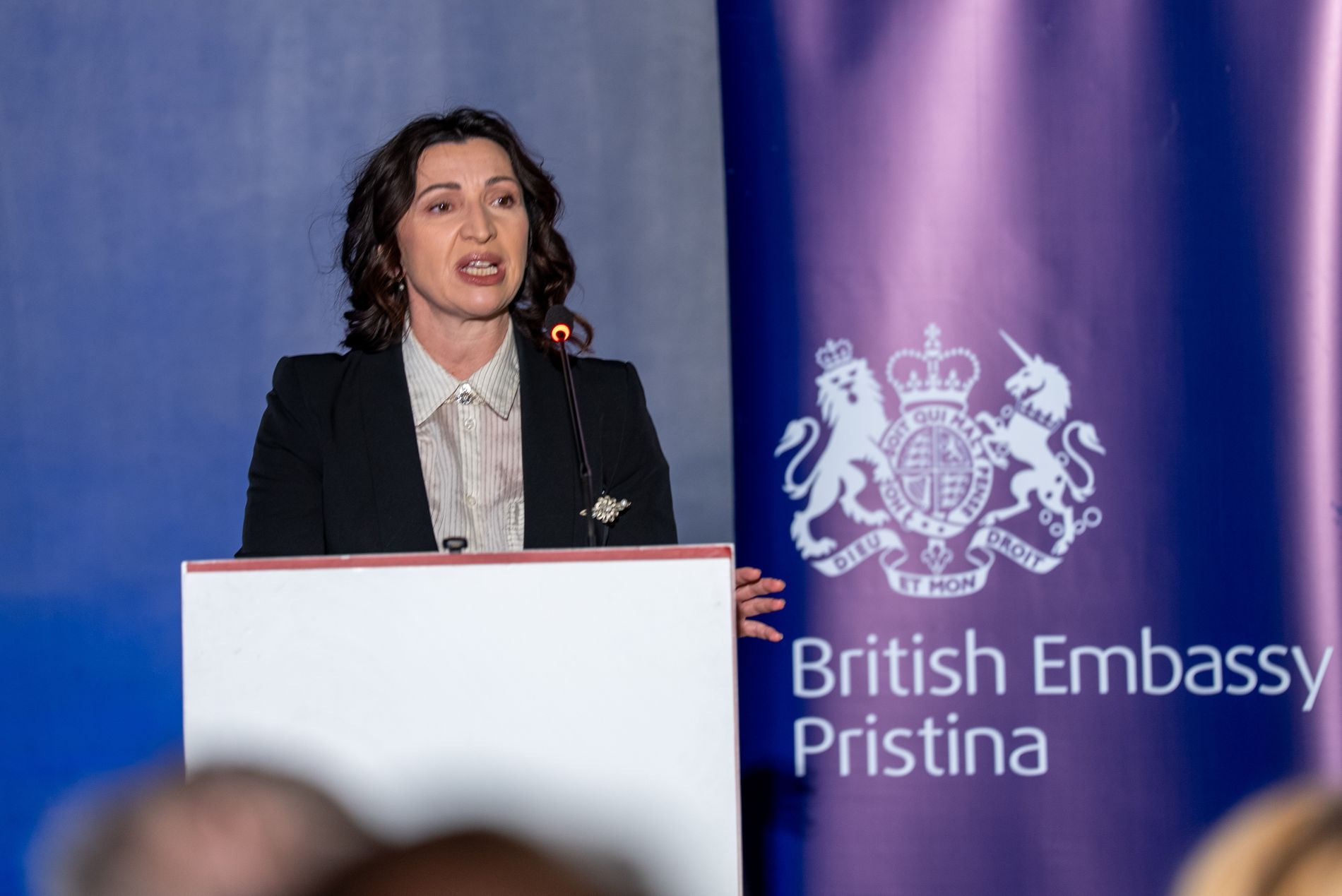
Jeta Xharra, Executive Director of BIRN Kosovo, said the documentary connects Kosovo’s own migration history with the current wave.
“Today, migrants from Syria, India, and other countries and nationalities are using the same routes” that Kosovo Albanians used during the 1990s, Xharra said, adding that, “we know what drives someone to take that path, our memory is still fresh.
While the visa liberalisation with Schengen countries has reduced the need for Kosovo citizens to rely on smugglers, Xharra noted that criminal groups remain active across the region. The documentary reveals what Xharra described as “a side of Kosovo where few people are aware of criminal groups that kidnap, beat, and in some cases kill migrants.”
The documentary shows footage obtained from migrants’ own mobile phones showing scenes of torture and abuse. “The film contrasts the vulnerability of migrants with the wealth and brutality of those organising the smuggling operations,” Xharra said.
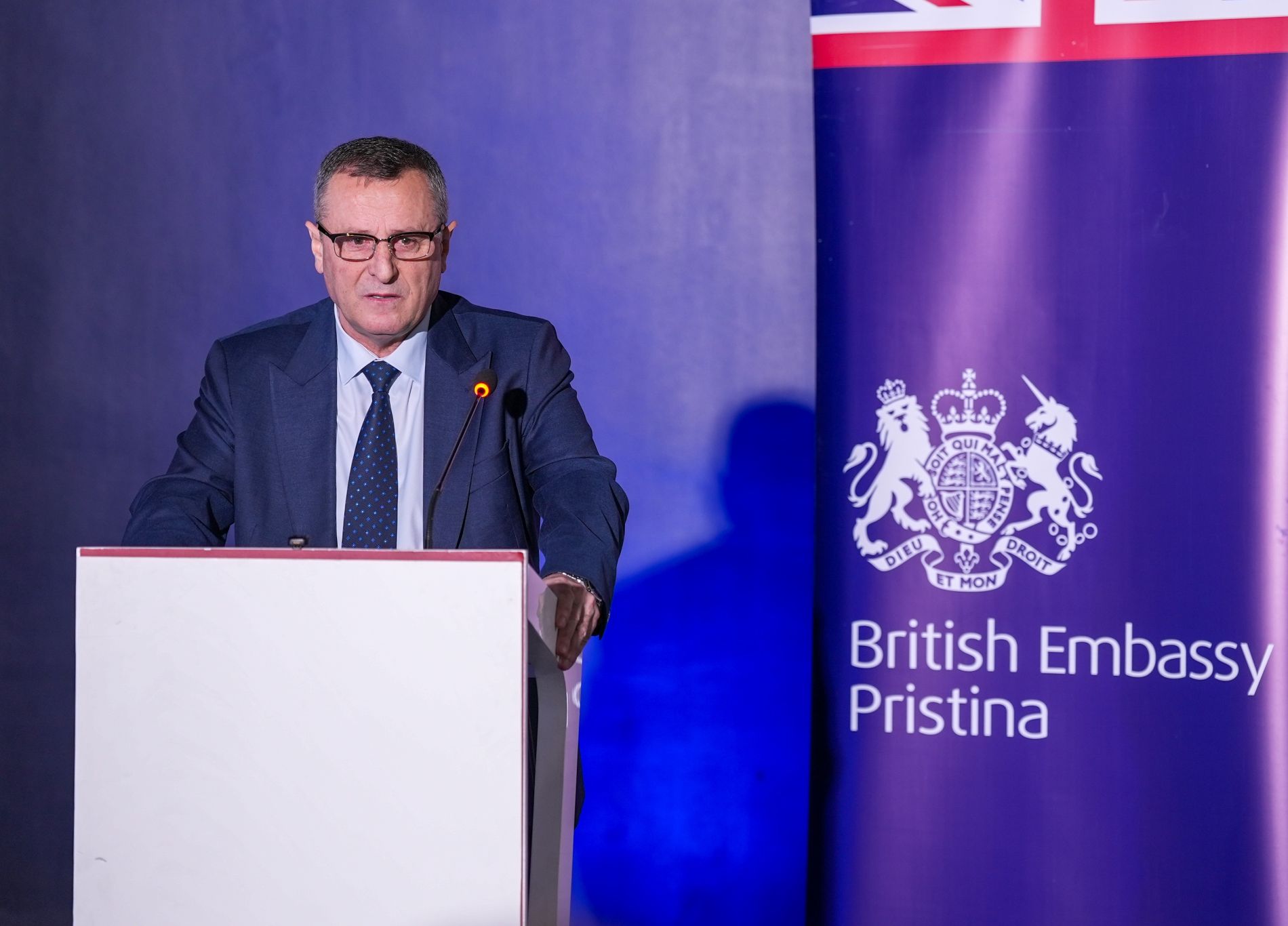
Blerim Isufaj, Chief Special Prosecutor, said illegal migration remains a serious security challenge requiring coordinated institutional and international action.
“Illegal migration today demands cooperation, awareness and coordinated response,” Isufaj said. “Our role is clear—to protect the law, prosecute offenders and ensure no one profits from violating it.”
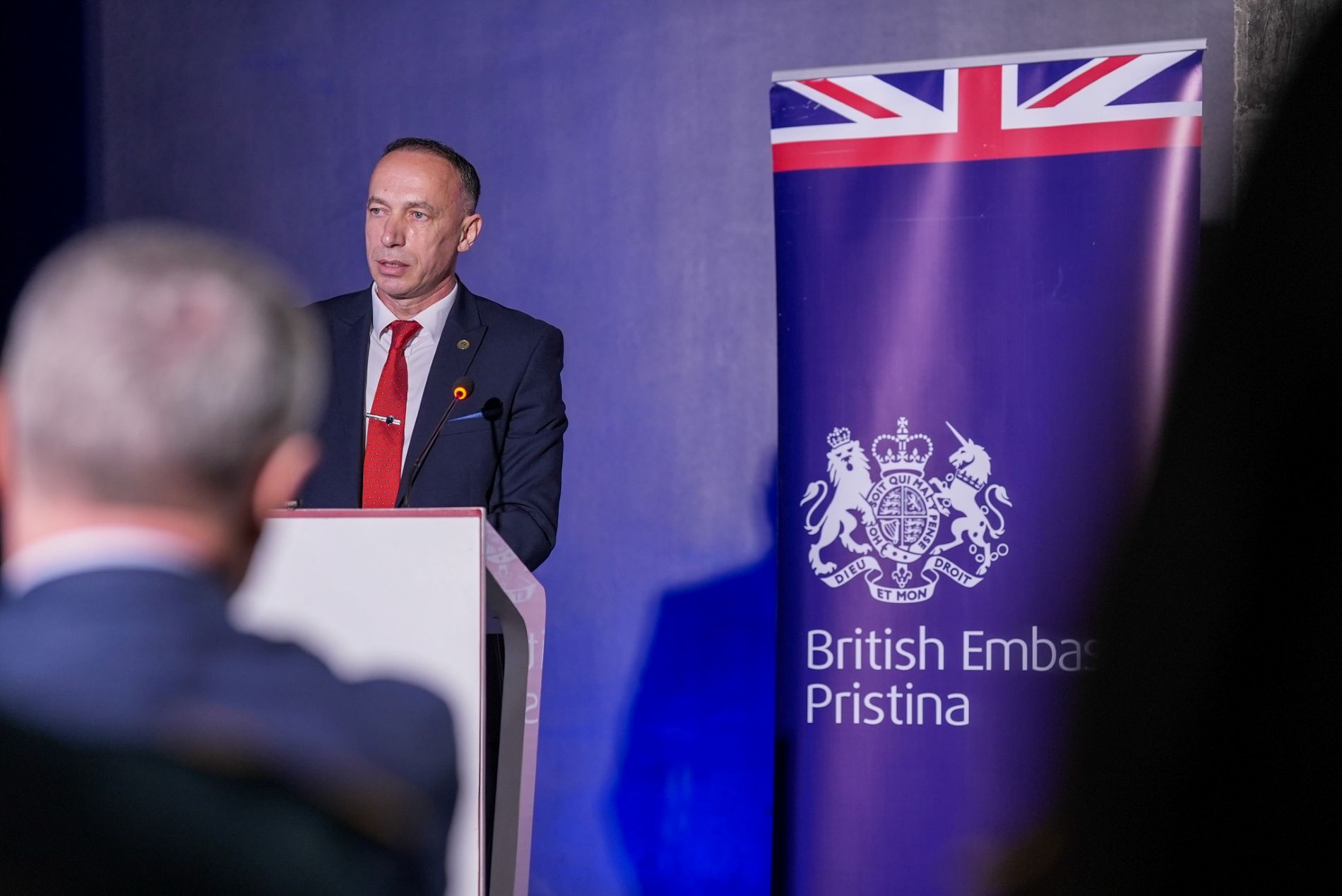
Blerim Ramaj, Deputy Colonel in Kosovo’s Border Police, said Kosovo’s geographic position makes it a transit country for migrants attempting to reach EU member states and the UK.
“Authorities have reinforced border controls—with thermal cameras, biometric equipment, and drones—and conduct joint patrols with neighbouring countries. Partnerships are also in place with international organisations such as the International Organisation for Migration and the UN Refugee Agency.”
As he noted, “migrants typically enter Kosovo via the border with North Macedonia near Hani i Elezit and through Vërmica at the border with Albania. Exit routes toward Serbia often pass near the Jarinje crossing point.”
However, Rama said the lack of cooperation from Serbia complicates enforcement efforts, unlike coordination with Albania and North Macedonia.
Rama said that additional challenges for the Kosovo Police include language barriers, migrants lacking identification documents, and Kosovo’s non-membership in international law enforcement bodies such as Interpol, Europol, and Frontex—limiting access to real-time data. He added that under Kosovo’s Criminal Code, migrant smuggling carries a sentence of up to 10 years in prison.
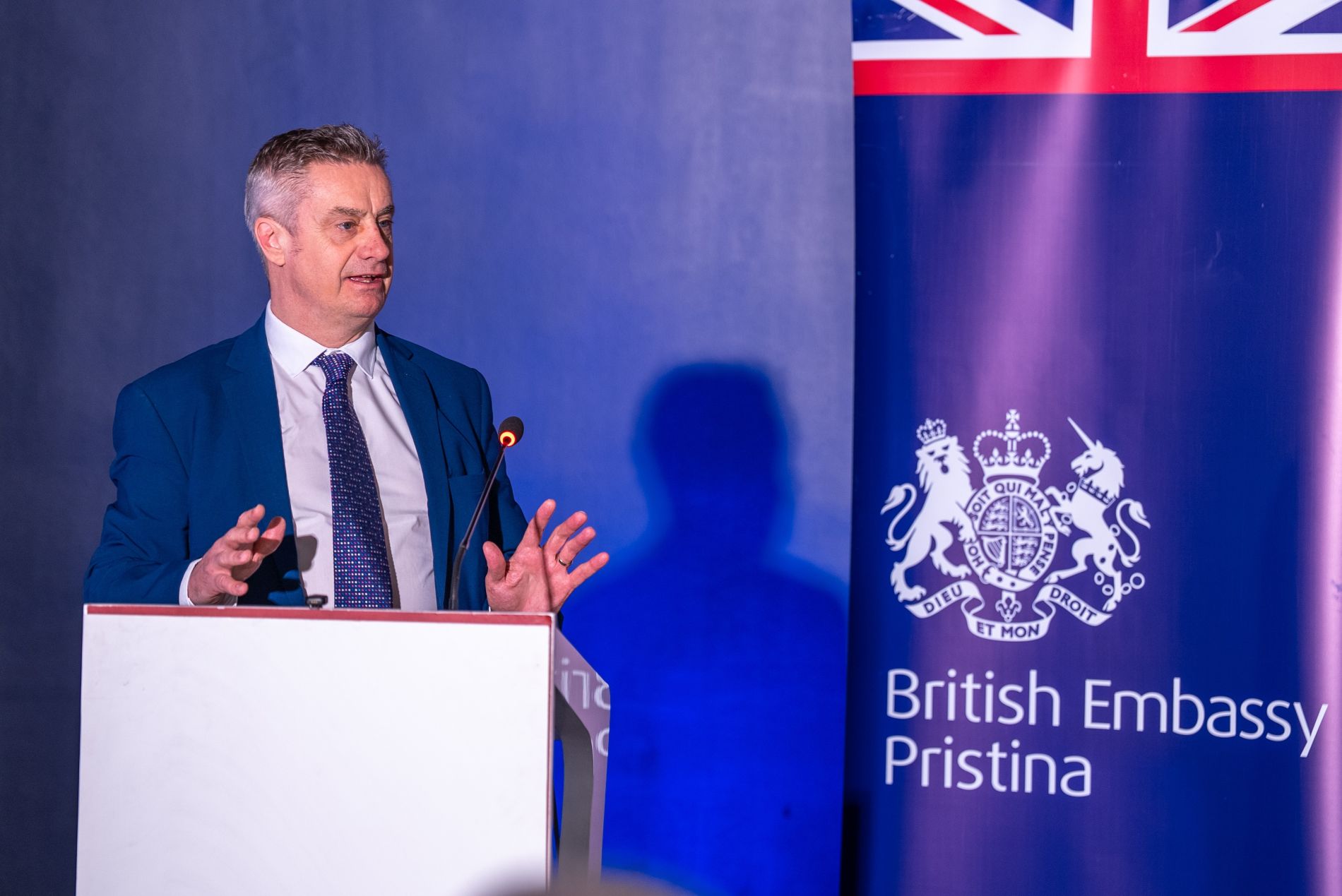
Jonathan Hargreaves, the United Kingdom’s Ambassador to Kosovo, praised the documentary for exposing a sensitive and often hidden issue.
He noted that combating illegal migration remains a high priority for the UK government. Hargreaves emphasised that a couple of years ago many illegal migrants in the UK were from Albania and “that sharpened our attention on the Western Balkans.”
“As Albania becomes a tougher environment, what we really want to avoid is that these groups shift their activity here to Kosovo,” he said, adding that, “these journeys are organised by criminal groups who treat people not as human beings, but as commodities,” he said. “Their business model relies on intimidation, violence and heavy debt,” adding that ethnic Albanian and ethnic Serbian criminal groups cooperate closely in the smuggling of goods and people.
“Their profit feeds corruption, distorts the economy and they also create security risks, including the possibility that terrorists can move across borders.”
The UK has expanded cooperation with Kosovo authorities, including through a joint migration task force and support from the UK’s National Crime Agency, which has provided drones, surveillance equipment and training.


20 February 2026 - 17:04

Kosovo has emerged as a critical transit point along the Balkan route,...

BIRN Kosova and Internews Kosova's latest documentary shows how Kosovo...

Hidden cameras installed by KALLXO.com exposed ongoing smuggling along...

The findings of a BIRN documentary detailing Kremlin-linked disinforma...