 absentia trial
Fugitive Suspect to Be Tried in Absentia 15 Years After Femicide in Kosovo
The initial hearing against Adnon Jashari, accused of murdering his ex partner Diana Kastrati in Prishtina in 2011, was postponed after his defence lawyer said he had not received the case files. Jashari, who has been on the run since the killing, is expected to be tried in absentia.
The initial hearing in the case against Adnon Jashari, accused of murdering his ex partner Diana Kastrati 15 years ago, was postponed on Tuesday after his defence lawyer said he had not received the case files needed to prepare his defence.
Adnon Jashari is charged with aggravated murder and unlawful possession of weapons.
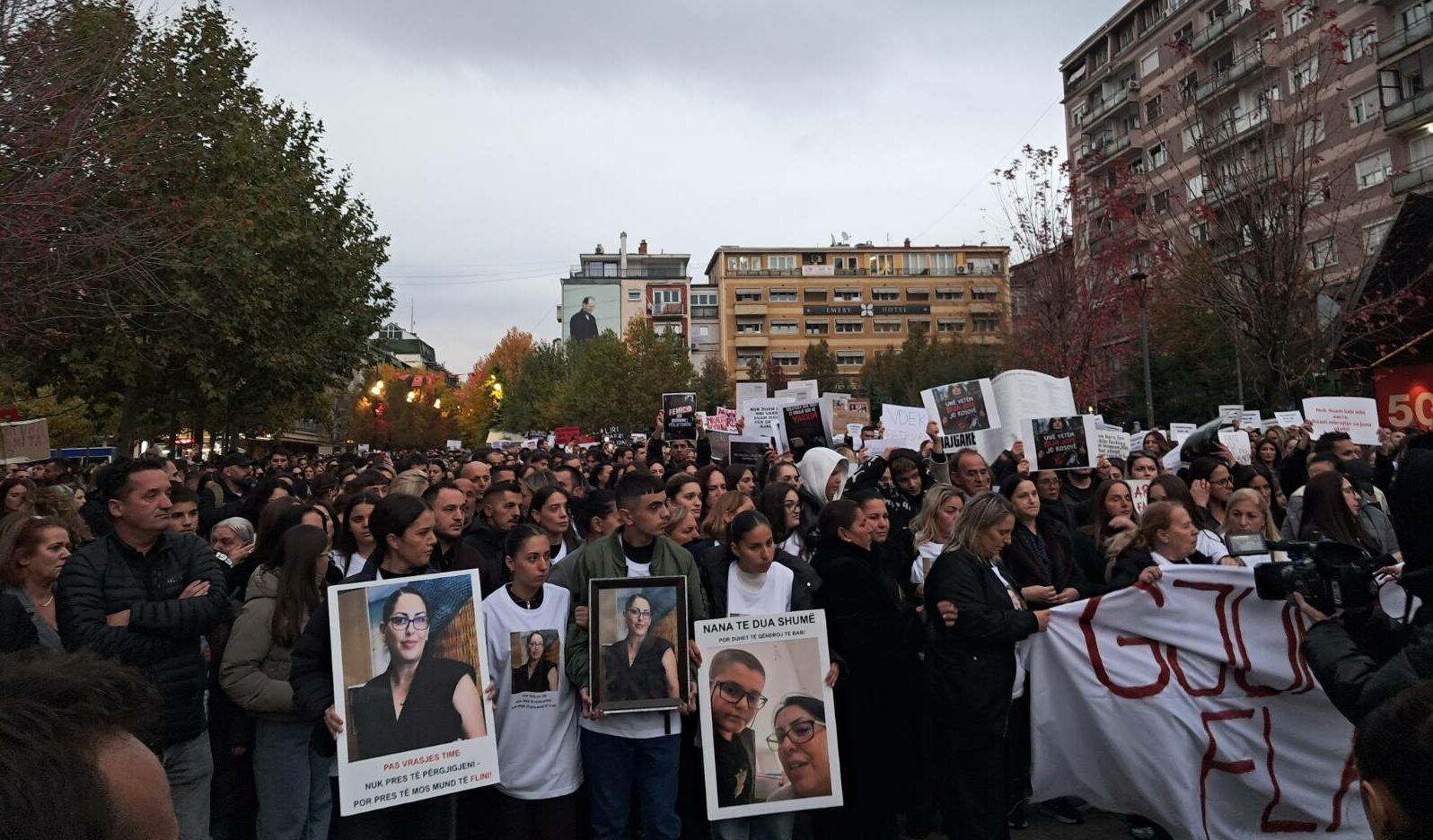
Diana Kastrati, 27 years old mother of one daughter, was shot dead by Jashari, her former partner and father of the daughter on May 18, 2011, in a street near her parents’ home in Prishtina.
Kastrati and her father, Gëzim, sought a protection order from the court because of the abuse. On April 26, 2011, just 22 days before she was killed, Kastrati requested an emergency protection order from the Municipal Court in Prishtina. The court did not act on her request.
After the murder Jashari was reported to have escaped to Spain, which does not recognize and has no judicial collaboration with Kosovo. The Prishtina Basic Prosecution filed an indictment against him on November 30, 2023 and amended it on March 19, 2026, fifteen years after the murder, following a request by the court.
At the end of October 2026, the prosecution announced that proceedings against Jashari would be conducted in absentia and soon after, on November 6, Kosovo Police published photographs of Jashari and appealed to the public for information that could help to ascertain his whereabouts.
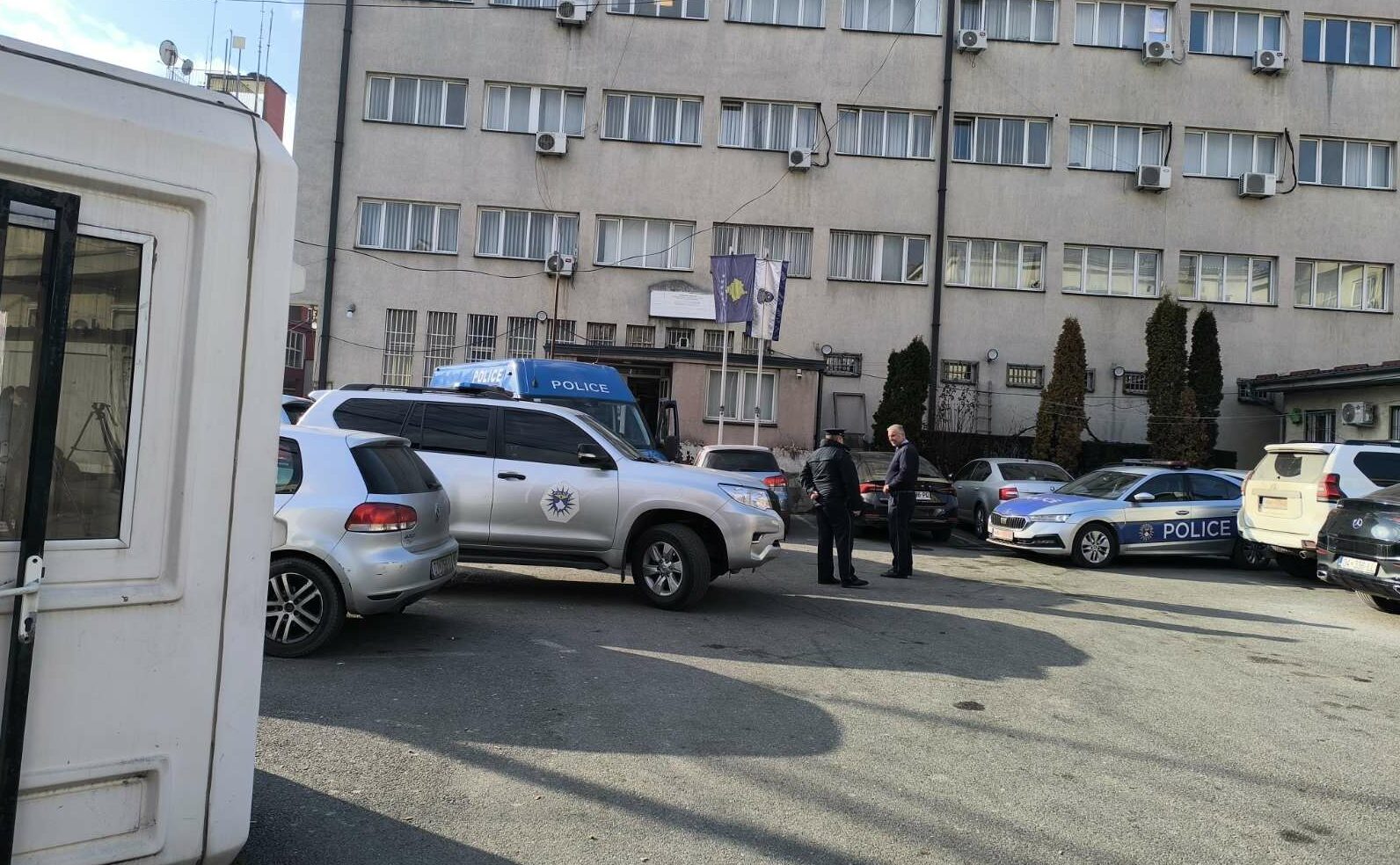
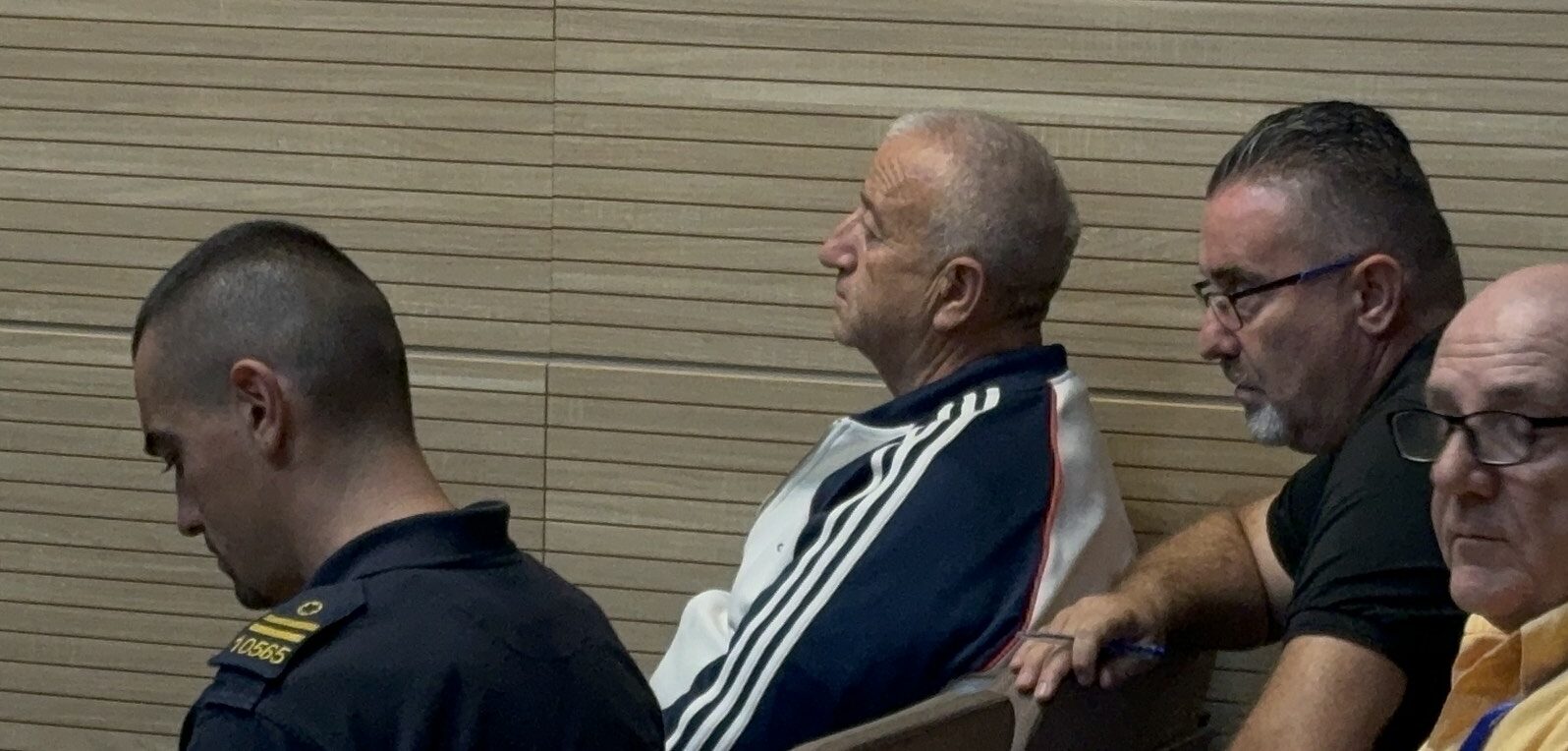
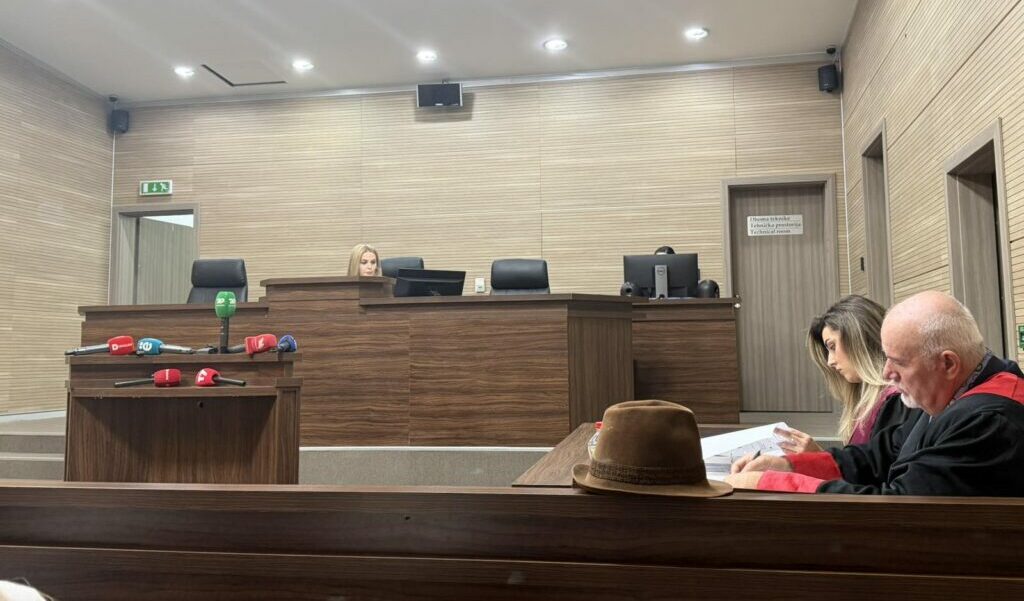
The initial hearing at the Prishtina Basic Court on Tuesday was not successful and was rescheduled for December 23 by judge Sulltane Hoti, who also ordered the prosecution to provide the defence with the documentation he required.
Jashari’s defence lawyer Haxhi Millaku told the court that he had received the indictment “only on the day of the hearing” and had not been provided with the case files by the prosecution.
He requested a postponement, adding that, “the defendant’s right to a fair trial must be respected regardless of the charges against him.”
Prosecutor Fatmire Cacaj declared that the case files had been handed over in April to Ardita Berisha, who was first appointed to represent Jashari under official duty. She said Millaku had had the opportunity to request access to the documentation.
According to the indictment, Kastrati had moved back to her parents’ home following the break up of her relationship with Jashari who subjected Kastrati to “continuous physical and psychological abuse during the two years preceding her murder.”
Jashari had attempted to persuade her to return to his home against her wishes one day before the murder, the indictment seen by Prishtina Insight explains.
On the day of the killing, the prosecution says that Jashari followed Kastrati, blocked her path and attempted to force her to go with him. “When she resisted and tried to leave, he pulled out a revolver and fired twice at close range, hitting her in the neck,” the indictment reads.
In 2013, the Constitutional Court ruled that the Prishtina Basic Court’s failure to act had violated Kastrati’s right to life, finding that the authorities had failed to fulfil their legal and constitutional obligations to protect her. The ruling noted that the Court had been required to take action under the Law on Protection Against Domestic Violence.
Following the ruling, Kastrati’s parents, Gëzim and Makfire Kastrati, filed a lawsuit in November 2013 against the Kosovo Judicial Council, the Prishtina Basic Court and the Republic of Kosovo, seeking compensation for non-material damages.
They emphasised that the authorities’ failure to protect their daughter had caused them profound psychological suffering, fear and insecurity. In 2019, the Prizren Basic Court ruled that her parents were entitled to compensation of 95 thousand euros for the suffering caused by their daughter’s murder. On February 10, 2023, the Court of Appeals reduced the compensation to 30,000 euros.