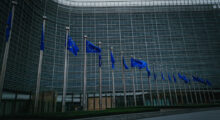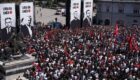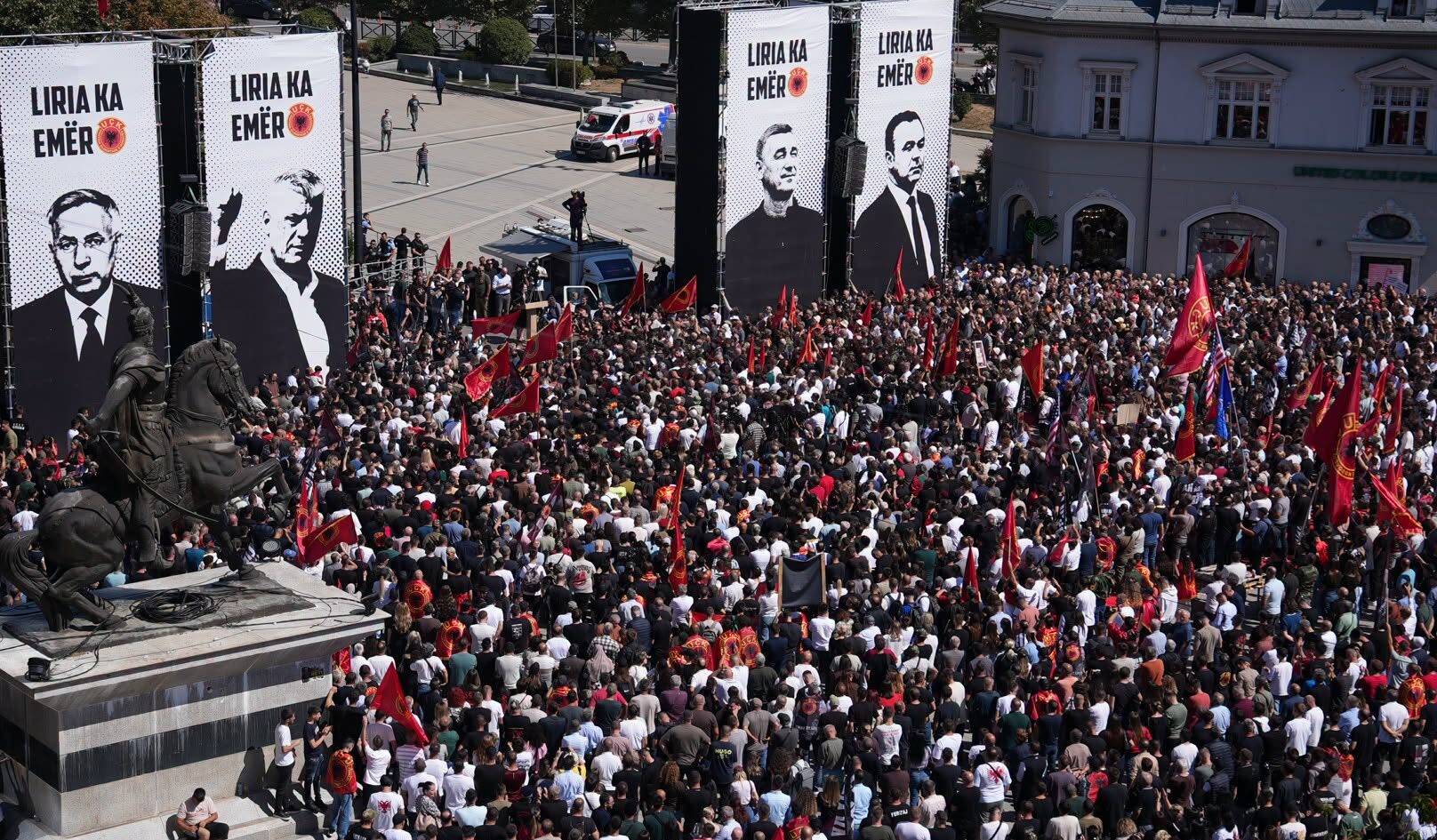
The European Union and United Kingdom have warned Kosovo MPs to seek international advice as they review an amended law aimed at curbing the powers of the Kosovo Specialist Chambers on Friday.
The legislation was initiated by the opposition Democratic Party of Kosovo, PDK, after the Hague-based war crimes court convicted PDK ex-leader Hashim Thaci and three other wartime Kosovo Liberation Army officials who fought for liberation from Serbia’s oppression, sparking outrage among Kosovo Albanians.
The EU Office in Kosovo said that “the amendments raise serious concerns regarding Kosovo’s international obligations and compliance with basic rule of law principles, in particular judicial independence, the protection of victims and witnesses, the continuity of procedural rights, and effective accountability”.
In a statement on Facebook, the EU also said that the amendments “also raise concerns regarding their constitutionality”, and stressed “the need for prior consultations before any adoption, in line with Kosovo’s international obligations”.
The British Embassy in Prishtina echoed these concerns, saying in a statement on Facebook that “we fear that the proposed amendments will do nothing to serve Kosovo’s essential interests and will undermine its relations with international partners and supporters”.
The British Embassy encouraged MPs to “take the time for further consultations internally and with the EU and other international allies to find a better solution”.
The Kosovo Specialist Chambers is a hybrid court that is located in The Hague and staffed by internationals but is part of Kosovo’s judiciary. It was established in 2015 to try former Kosovo Liberation Army fighters, under pressure from Kosovo’s Western allies.
The establishment of the Specialist Chambers was initiated in an exchange of letters between Kosovo’s President and the EU, making it an international agreement, and therefore the EU requires consultations for any changes in its legal framework.
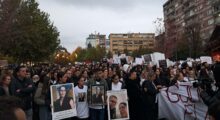
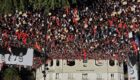
MPs initially voted for the amended law in a rushed procedure on October 6, under pressure from protests that turned violent outside the parliament building and the need to push through the urgent last-minute election of Kosovo’s new president to avoid the continuation of a political crisis that had lasted almost two years.
The vote followed weeks of protests after the four former KLA leaders were convicted of the war crimes of arbitrary detention, cruel treatment, torture and murder.
Hashim Thaci and Jakup Krasniqi were sentenced to 25 years in prison each and Kadri Veseli and Rexhep Selimi received 18 and 13 years respectively. An appeal is expected.
Given the uncertainty over whether the Hague court will indict anyone else, the effect of the proposed legislation is uncertain, however.
Kosovo MPs are also undecided on whether the bill in its current form is adequate.
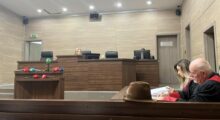
On Thursday, at the Parliamentary Commission for Legislation, MP Vigan Qorrolli from ruling party Vetevendosje argued that a redraft is needed.
“Our position as the political majority is very clear; we believe that a new legislative initiative – drafted with care and through joint parliamentary participation – would be the most responsible way to address this issue,” Qorrolli said.
However, PDK MP Blerta Deliu-Kodra said that, following discussions with other political parties, “we have agreed to pass the bill, but there is no consensus on amending it. We must proceed with the bill as it stands, and subsequently, we will enter the amendment process.”